
If you’re into food, Portugal is one of those places where you can eat like royalty without blowing through your savings. My last few trips there totally convinced me you don’t need to splash out at fancy restaurants to get a taste of some of Europe’s best bites. Portugal’s relaxed attitude toward meals and the deep-rooted café culture mean budgetfriendly eating isn’t just possible. It’s the norm. With a little knowhow and a local mindset, you’ll find loads of tasty, cheap eats around every corner.
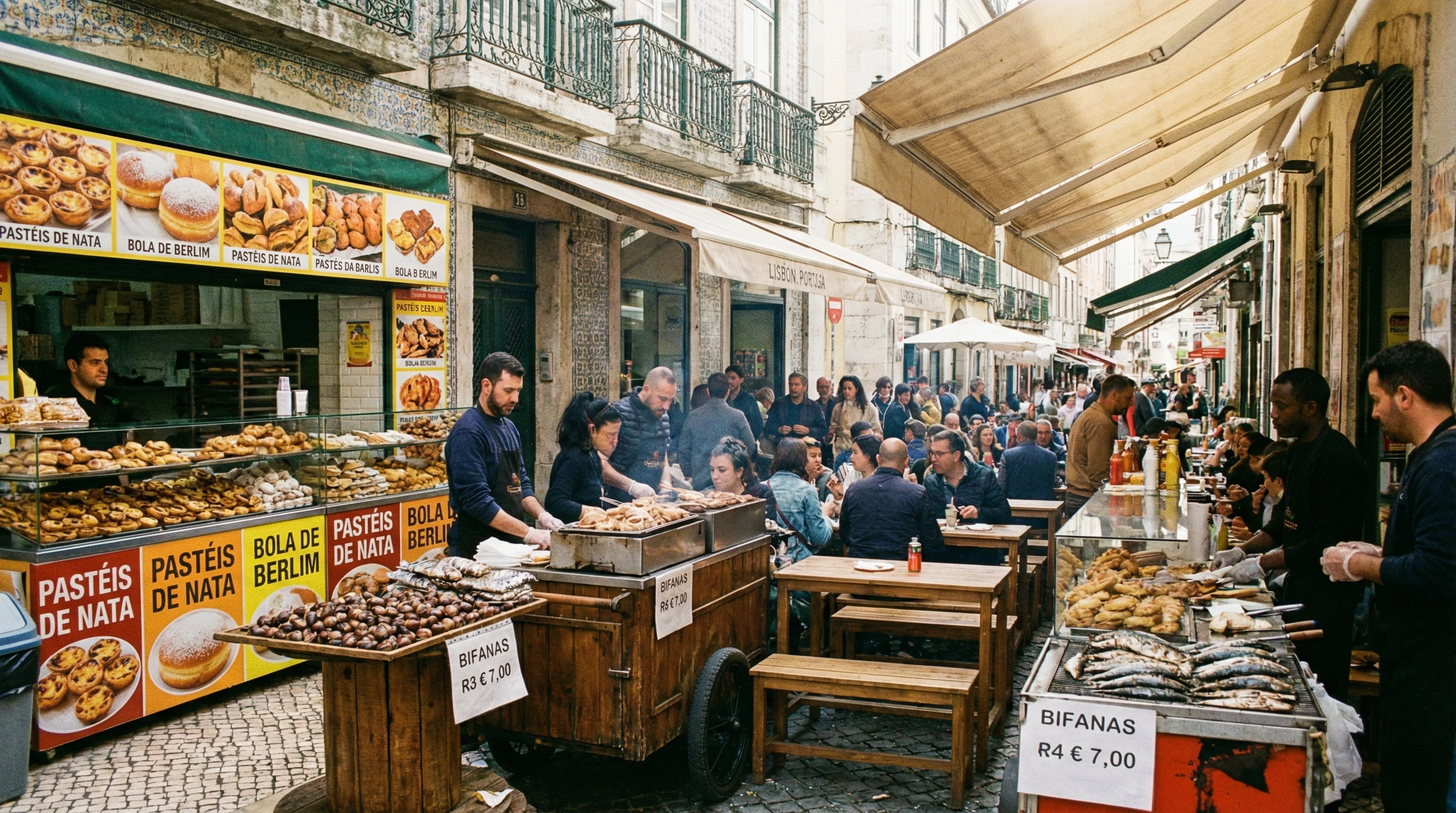
Why You Don’t Need Loads of Cash to Eat Well in Portugal
Most Portuguese locals treat eating out as an everyday thing, not a special treat. That means the food scene is built for regulars, not just tourists. Smaller portions, daily set menus, and loads of traditional spots called tascas keep prices low. At a tasca or pastelaria (bakery/café), you can fill up on local specialties for much less than you’d pay elsewhere in Europe.
Markets are another goldmine for bargains. Even if you don’t have a kitchen in your accommodation, you’ll find premade snacks, fruit, and affordable sandwiches at city markets. Locals often do their daily shopping here. Trust me, grabbing a bag of cherries or figs at the market is a snack on its own! Don’t be shy about tracking down the nearest neighborhood market or following people to the busiest local bakery.
When you check out the markets, it’s not just about saving money—it’s about stumbling upon new flavors, peoplewatching, and taking in the rhythms of daily life. This everyday approach to food is what makes eating in Portugal so rewarding for budget travelers.
Best Cheap Portuguese Foods to Try
Portugal’s most beloved eats are walletfriendly, and many are designed to be casual snacks or quick meals. Here are a few true budget heroes worth hunting for:
- Bifana: Portugal’s famous pork sandwich. Thinly sliced, marinated pork, grilled and stuffed in a crusty roll. Some spots sell these for as little as €2. A squirt of yellow mustard makes the whole thing pop.
- Prego no pão: The same concept, but with a juicy steak. A classic at any modest cafe or pastelaria, usually under €3.50.
- Bolinhos de bacalhau: Portugal is serious about cod. These codfish croquettes are crisp outside, creamy inside, and cost around €1–1.50 each in most places.
- Caldo verde: This green soup, made with potatoes, kale, and sometimes sausage, is a comforting bowl on a chilly day and usually less than €2.50 in smaller towns.
- Pastel de nata: No visit to Portugal is legit without these custard tarts. Pastéis de nata are everywhere, and having one for breakfast, dessert, or a midmorning snack is totally normal. Locals pay under €1—even in the heart of Lisbon or Porto.
Pretty much every region has its own cheap specialties, but these classics are both easy to find and seriously good for your wallet. Don’t miss trying a bit of everything, especially when chatting at the counter with locals who are often full of good food tips.
Food Markets vs Restaurants: Where You Save More
Both food markets and small restaurants offer budget bargains, but it depends what you’re after. Markets are perfect for grabbing supplies for a picnic or snack—think cheese, olives, fruit, and crusty bread for a few euros. Larger spots like Lisbon’s Mercado da Ribeira even have hot food stands where you can try local bites without committing to a sitdown meal.
Restaurants can still offer great bargains, especially if you catch the lunchtime crowd. Go for places highlighting a “prato do dia” (dish of the day); it’s what locals order, and the price almost always beats the regular menu. If you’re traveling with others or want to try a few things, splitting a couple of soups, sharing petiscos (the Portuguese version of tapas), and picking up drinks from a nearby shop can keep your hunger and your budget satisfied.
The best savings tip: skip restaurants with big English menus out front. These are aimed at tourists, and prices tend to be much higher. If you’re really looking to stretch your euros, markets and local tascas are unbeatable.
The “Prato do Dia” Trick: Portugal’s Top Lunch Hack
This is one tip I wish I knew sooner: prato do dia (“dish of the day”) is usually the best lunch deal in Portugal. Most familyrun restaurants and tascas serve up a daily special—meat or fish, veggies and potatoes or rice, sometimes even soup, bread, dessert, and a drink all included—for €7–€10. You really can’t beat that.
These daily menus rotate based on what’s in season or available from the market that day, keeping the food fresh and the price low. Locals eat this way almost every midday, and you’ll find crowds piling in at 1pm sharp. Even if you don’t see prato do dia listed outside, check in—it’s often available but not advertised in English.
If you only remember one budget tip, make it this one. A filling lunch on a local’s budget frees up cash for everything else on your list.
Bakeries & Cafés: The Best Cheap Breakfasts and Snacks
Ready for another trick that’ll get you through mornings for less than you’d pay for a coffee back home? Portuguese pastelarias (bakerycafés) are everywhere—on nearly every street—and serve up both sweet and savory snacks that work as breakfast, lunch on the go, or a midday nibble.
The typical Portuguese breakfast isn’t eggs and bacon but a coffee (often a bica or meia de leite) and a pastry. Coffee is almost always cheap, with an espresso costing just €0.60–€1, and pastries rarely costing more than €1. If you stick to pastelarias outside the touristy main squares, prices drop even lower. Here are some favorite choices I keep coming back to:
- Pastéis de nata (custard tarts)
- Pão de queijo (cheesy bread rolls)
- Misto sandwiches (ham and cheese on soft rolls)
- Folhados (savory or sweet puff pastries)
Many bakeries also serve soup and simple sandwiches for lunch. It’s easy, quick, and super budgetfriendly. Skip the international bakery chains and look for a shop full of locals sipping coffee—the price will be right, and the food is usually straight from the oven. Don’t be surprised if you find yourself going back day after day to try something new behind the bakery glass.
Budget Food Tips by City
You’ll track down great value all over Portugal, but a few quick cityspecific ideas can help you squeeze even more out of your budget.
Lisbon: Explore traditional neighborhoods like Alfama, Graça, and Mouraria. Bakeries and tascas down quieter streets offer full menus for less than €10. Try Mercado de Campo de Ourique or Mercado da Ribeira for affordable market eats.
Porto: Cafés near Bolhão Market offer hearty, lowcost meals for €6–€8. Don’t miss a francesinha (an overthetop meaty sandwich) if you’re hungry—one is big enough to share with a friend.
Algarve: Coastal towns often get pricey during the summer, but move a few streets away from the beach and prices drop quickly. Local marisqueiras (seafood diners) regularly have good lunch deals worth seeking out.
Smaller Towns: In the countryside or towns like Évora and Braga, prices are even friendlier. Familyrun restaurants usually offer generous helpings and locals-only pricing. If you spot a handwritten chalkboard menu with just a few options, you’re probably in the right spot for a tasty, cheap meal.
No matter the location, greet staff with a smile and maybe a “bom dia”—you’re bound to get a warm welcome, and sometimes even a larger portion! Don’t hesitate to ask locals for their favorite place; most are happy to share their best-kept secrets.
Common Mistakes That Make Travelers Overspend on Food
- Falling for tourist menus: “Menu turístico” or Englishonly boards almost always mean bigger prices for basic meals. Simply walk a few streets away from the big attractions or train stations for better value.
- Picking waterfront or main-square spots: The views might be eye-catching, but prices usually double and food is less authentic. The best meals and deals are often found a block or two away in quieter lanes.
- Assuming you have to tip a lot: Tipping isn’t required. Locals may leave loose change, but it’s not expected. That means the total on the bill is what you should pay—no guesswork or surprises.
- Ordering “covers” without realizing: Bread, olives, and cheese can appear on the table before you order. These aren’t free, so just politely wave them away if you don’t want the extra charge.
Keeping sharp on these small details will help your food budget go much further—leaving you more to enjoy elsewhere.
Frequently Asked Questions
Is food expensive in Portugal?
No. Portugal is one of the most affordable countries in Western Europe for eating out, especially at local cafés and family-run restaurants.
How much should I budget per day for food in Portugal?
Around €10–€15 per day is enough if you eat at bakeries, markets, and local lunch spots.
What is the cheapest way to eat in Portugal?
Look for prato do dia lunch menus, eat at pastelarias, and shop at local food markets instead of tourist restaurants.
Are tourist restaurants more expensive in Portugal?
Yes. Restaurants with large English menus near major attractions usually charge higher prices and offer less authentic food.
Is tipping expected in Portugal?
Tipping is not required. Locals usually leave small change, but it’s completely optional.