
New Zealand is a dream destination for adventure, hiking, and some of the best scenic drives on the planet. Picking when to visit makes a big difference; timing your trip right gives you a shot at clear trails, lively festivals, and eye-catching views, all without breaking your budget. Here’s everything I’ve learned through years of planning and exploring, so you can choose the best time for your New Zealand adventure.
New Zealand’s Seasons: What to Expect All Year
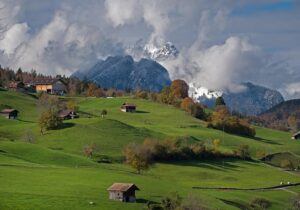
New Zealand’s seasons are opposite to what you find in the northern hemisphere, so summer runs from December to February, autumn from March to May, winter from June to August, and spring from September to November. The climate stretches from subtropical in the north all the way to alpine in the south, which means you can always track down a region with amazing weather for hiking or action-packed adventures. No matter what time of year you want to visit, you’ll find somewhere to match your plans.
Each season has its benefits and its quirks. Summers are warm, which is ideal for classic road trips and hitting beachside hikes, while autumn brings colorful landscapes and lighter crowds. Winter opens a playground for skiers and offers peaceful, chilly southern hikes. Spring marks a new start, with greenery and blossoms brightening up every corner of the country. It all comes down to the kind of adventure you want.
Best Time to Visit New Zealand for Hiking
The hiking season—or tramping, as locals call it—really gets going from late October right through to April. During these months, the weather is mild, days are long, and the high-altitude tracks like Routeburn, Milford, and Tongariro are open and well-maintained. This is when you’ll find the best conditions for multiweek hikes, day trips into the backcountry, or exploring some of the South Island’s iconic landscape.
The Great Walks season officially runs from late October through the end of April. During this window, the Department of Conservation has rangers on hand, and you can reserve huts along the most popular tracks. January and February tend to be the busiest, usually coming with the most stable weather, but if you want cooler temps and a bit more solitude, November and March can be just as rewarding for your trail adventures.
- Fiordland National Park: Good hiking weather from November to April. You’ll spot lush forests, high waterfalls, and trails like the Kepler and Milford that stay in top form this time of year.
- Abel Tasman National Park: This coastal trail can be walked year-round, but summer (December to March) is best for sunny days and taking a dip in turquoise bays along the way.
- Tongariro National Park: Spring and autumn are strong picks. Summer can get busy, while winter hiking here requires alpine experience and specialized gear.
The Peak of Adventure: When to Go for Outdoor Thrills
If you’re all about hitting the adrenaline scene—think bungee jumping, canyoning, white water rafting, or mountain biking—the sweet spot is late spring through early autumn (October through April). Queenstown, Rotorua, and Wanaka are packed with adventure operators, so you’ll always find pros ready to help you let it rip with wild experiences that New Zealand is famous for.
Once winter rolls around (June to September), the South Island’s ski fields around Queenstown and Wanaka become bustling hubs for anyone into skiing, snowboarding, or even casual snow sports festivals and ice-skating events. And if you just want scenic snowscapes and peaceful photo ops, visiting during the quieter months means fewer crowds and wider open spaces across some of the country’s most dramatic landscapes.
Scenic Drives and Road Trips: Best Months to Hit the Road
New Zealand is world-renowned for its long, winding coastal drives and breathtaking alpine routes. Getting behind the wheel is part of the experience; imagine freedom on roads like the South Island’s Southern Scenic Route or making your way along the beautiful West Coast Road, with plenty of time to stop and snap photos.
December to April brings the driest weather and clear skies, making for laid-back, trouble-free drives. The autumn months are a true highlight for road trippers, especially in Central Otago with its golden vineyards and forests. If you’re brave enough to tackle winter road trips, the payoff is the sight of snowy mountain peaks, but always slow down and be cautious of ice on the passes.
What’s the Cheapest Month to Visit New Zealand?
If you want a budget adventure, look for travel dates in the shoulder seasons of May, June, or September. These are perfect for saving cash—flight prices dip, hotels and hostels cut rates, and popular tours can be cheaper than at the height of summer. Plus, crowds shrink down, making it easier to enjoy the country at your own pace.
Major airlines like Air New Zealand and Jetstar often run specials during these quieter months. Car rentals usually get cheaper too, so you can stretch your holiday further, whether you’re road-tripping on a tight budget or just want to splurge a little extra on some unique experiences.
Cool Festivals and Unique Experiences by Season
No matter when you visit, New Zealand pulses with energy and culture. I recommend timing your trip to coincide with local events or festivals to get an extra taste of Kiwi hospitality—and maybe even make a few new friends. The festivities range from artsy street parties to quirky competitions and big cultural celebrations in cities and small towns alike.
- Winter (June–August): Queenstown’s annual Winter Festival bursts with snow sports, fireworks, and live music. In the North Island, Rotorua’s geothermal hot pools heat things up after you check out night markets full of food and crafts.
- Spring (September–November): Rotorua’s gardens are a photographer’s dream, while Hawke’s Bay and Marlborough start up their tasty wine and food festivals. Sheep shearing contests in rural towns are weirdly fun and totally original to check out as well.
- Summer (December–February): The big Maori festivals kick off, especially close to Waitangi Day in February. Coastal areas have loads of outdoor concerts, art fairs, and adventure races during these months.
- Autumn (March–May): Central Otago and Arrowtown light up with gold and red leaves—perfect for everyone who loves an autumn backdrop. Vineyard tours and gastronomic festivals fill out the season for foodies and wine lovers.
Accommodation: Where to Stay for Your Adventure
Planning ahead is key when booking accommodation, especially during peak periods from December through March. Top destinations in and near national parks or close to ski fields can get booked out months ahead of time during holidays and major events.
- Ski lodges and chalets: In the South Island ski areas, you’ll stumble upon everything from rustic cabins to full-service apartments. These are great for friends, couples, or families—be ready to book ahead, especially for weekends.
- Huts and campsites: For hikers, the system of backcountry huts and campgrounds lets you stay right in the wild. Advance booking, especially for the Great Walks, is a smart move to avoid missing out.
- Boutique lodges and vineyard cottages: During the quieter autumn and spring, romantic bed and breakfasts or vineyard accommodation really take things up a notch—expect local food, spectacular views, and a slice of Kiwi charm.
Travel Tips for Exploring New Zealand
To make the most of your adventure, it pays to be prepared. Here are tried-and-tested tips I’d give any friend heading out to explore New Zealand, whether it’s your first visit or your fifth road trip around the islands.
- Travel insurance: Adventure comes in many forms in New Zealand, from hiking to snow sports or river rafting. Get insurance that matches your plans, especially if you’re taking on high-adrenaline activities or multi day treks. Check what’s covered before you lock in your bookings.
- Car rental: Renting a car or camper van literally opens the doors to remote tracks, secret beaches, and off-the-beaten-path gems. For quick city weekends, public buses and trains are okay, but if you want to see it all, nothing beats your own wheels.
- Packing for all seasons: Weather in New Zealand switches up quickly, even in the middle of summer. Throw in a solid rain jacket, warm clothing, reliable hiking boots, and do not forget sunscreen.
- Respect the rules: When hiking, always stick to marked paths, pack out your litter, and follow local guidelines in fragile environments. New Zealanders take major pride in their clean landscapes, and that’s part of what keeps the country so next-level cool.
- Booking essentials: For popular Great Walks and the main tourist must-sees (like Hobbiton or Milford Track huts), jump on reservations early—think up to 6 months ahead for the busy times.
Frequently Asked Questions About Visiting New Zealand
Q: What is the absolute best month for hiking?
A: January and February usually have the driest, sunniest weather and open tracks, but November and March are awesome too and much less crowded.
Q: Can I visit on a budget? What’s the cheapest time?
A: May, June, and September offer the lowest airfares, great car rental deals, and cheaper stays, along with way less hustle on the trails and in towns.
Q: Are there winter festivals or events worth attending?
A: For sure! Queenstown’s Winter Festival and events in Wanaka and Ohakune pull in big crowds, show off local energy, and are a blast for families or anyone curious about Kiwi culture.
Q: Is it easy to get around the country?
A: Renting is the easiest way to access scenic highways and lesser-known spots. For city-focused travel, buses and trains work just fine, but driving gives you all the freedom you need.
Wrapping up: New Zealand brings something special in every season. Chase adrenaline, tackle world-class trails, or roam scenic roads at your own pace. With a bit of planning and a flexible approach to timing, your Kiwi adventure can be filled with unforgettable views, vibrant festivals, and the escape you’ve been dreaming of.
Transparency note: This article may contain affiliate links. If you make a purchase through these links, we may earn a small commission at no extra cost to you.