
Some of the links on this page are affiliate links, which means I may earn a small commission if you make a purchase through them, at no extra cost to you. This helps support the site and allows me to continue creating helpful content.
Wine culture is everywhere in Rome. I find that sipping local varieties in ancient neighborhoods or exploring tuckedaway cellars brings out a side of the city that goes far beyond its famous food and landmarks. Wine tasting tours in Rome create a great way to understand Italy’s wine history up close, without venturing into the countryside. In this guide, I’ll break down the top wine experiences for 2026, share what makes these tours unique, and offer practical advice for anyone thinking about joining a tasting in the heart of the Eternal City.
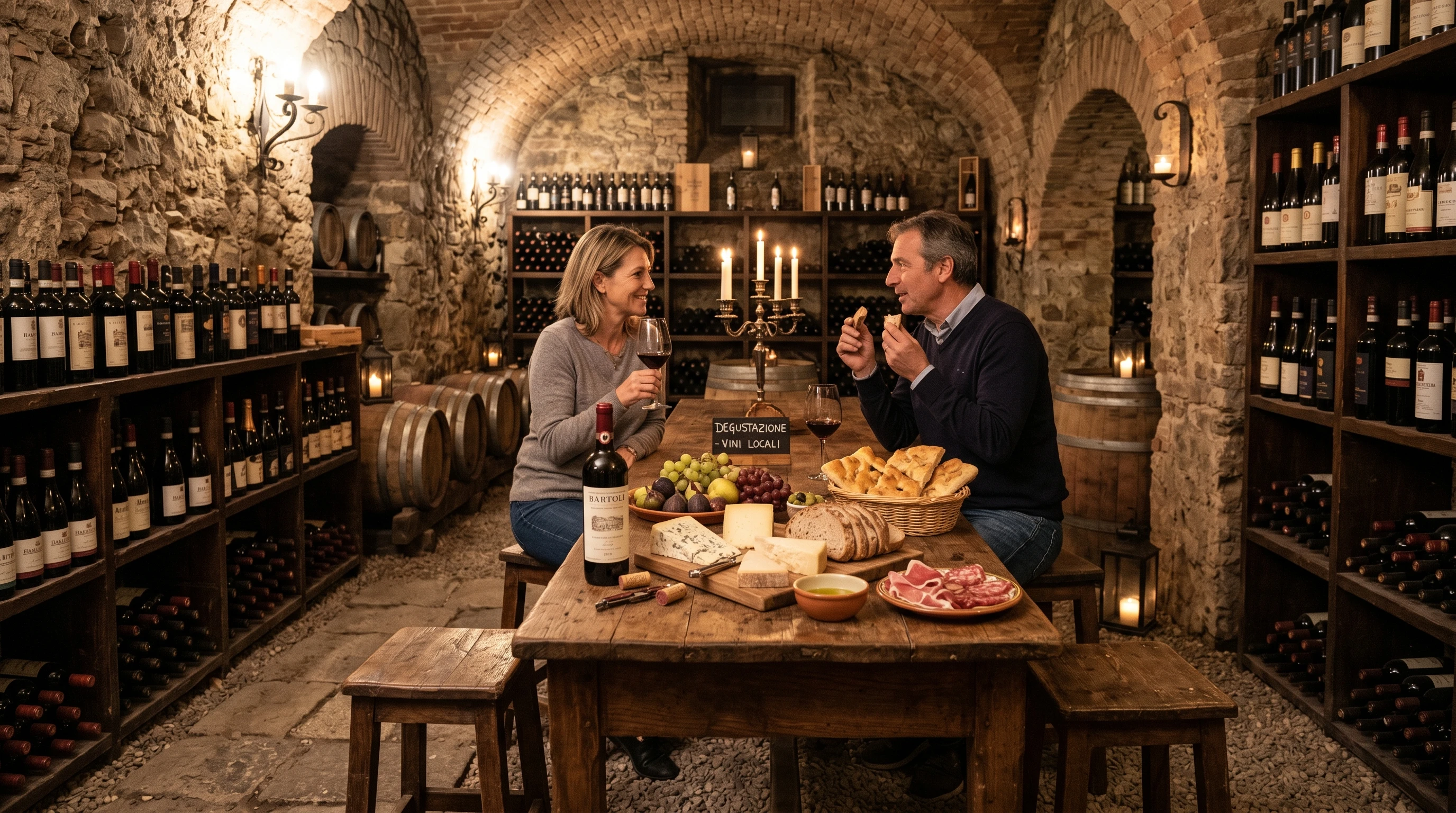
Quick Guide to Rome’s Best Wine Tasting Tours in 2026
Rome’s wine tours fit all kinds of travelers. Here are the top options I think are worth considering next year:
- Best allaround experience: Small Group Walking Wine & Food Tour in Trastevere
- Most beginnerfriendly: Guided Wine Tasting Near Campo de’ Fiori
- Top luxury pick: Private Ancient Roman Cellar and Gourmet Tasting Tour
If you want to see updated prices or book your tour in advance, you can check availability at most major booking sites. Many tours sell out quickly during peak months, so booking a few weeks ahead is smart, especially for unique experiences or private tastings.
Why Book a Wine Tasting Tour in Rome?
Joining a wine tour in Rome gives me a structured and relaxed way to learn about regional wines without guessing at what to order or where to taste. Tasting with guides and sommeliers gives me stories behind each glass, from the grape to the finished wine. These tours are also an easy way to avoid the typical tourist traps. I get a genuine look at local wine spots that might be harder to find on my own.
I often enjoy that tours mix education with socializing. It’s not just about tasting. Many guides introduce tasting techniques, local production secrets, and ideal food pairings. Here’s what I like most about joining one:
- Sample 4–8 unique Italian wines in a single evening
- Get hands-on with expert tips from local wine lovers
- Explore off-the-path wine bars, family-run cellars, or historic enotecas
- Pair wines with cheese, bread, salumi, or Roman classics like carbonara
- Learn about unique Roman wines you probably haven’t tried before
By booking a tour, I also meet fellow travelers, gather recommendations for other food and drink experiences in Rome, and sometimes get discounts on bottles to take home. Guides often provide interesting insights into Italy’s complex wine laws, the hidden stories of each label, and the subtle differences among regions, which can be hard to figure out from a menu alone.
Types of Wine Tours Available in Rome
There’s no single style of wine tour in Rome. My experience with each type depends on my mood and group size. Here’s how I break them down:
Wine & Food Walking Tours
These tours bring together top Roman street foods and handpicked wines. I usually move between different wine bars, tasting rooms, or small family-run restaurants, tasting a variety of dishes alongside each pour. Walking also lets me explore charming neighborhoods and learn local stories that I’d miss if I stayed in just one location.
Classic Wine Bar Tastings
Sitting down in a cozy enoteca with a curated lineup of wines and food pairings is one of my favorite ways to learn about wine from a local. This format works well if I want a focused, conversational setting to ask questions and enjoy a slower pace. These tastings often let me focus on quality over quantity, sometimes spotlighting one region or grape at a time.
Private and Premium Cellar Tastings
Private tastings suit small groups or serious wine lovers looking for something special. These usually offer rare or vintage bottles, paired with highend cheeses and appetizers, and take place in exclusive cellars or old palazzi. Being hosted in a historic setting adds another level of excitement, and tastings sometimes include a behind-the-scenes visit or a talk with the wine bar owner.
Country Vineyard Day Trips
Several companies offer day excursions just outside Rome, visiting areas like Castelli Romani or the Lazio countryside. I get a more “rustic” experience, seeing vineyards, chatting with producers, and tasting regional wines straight from the source. These tours might include lunch, scenic views, and the opportunity to understand the winemaking process up close.
Local Wines You’ll Likely Try in Rome
Rome highlights its local Lazio wines first, but many tastings include bottles from all over Italy. Here are some I’ve enjoyed most often on tours:
- Frascati: A crisp, refreshing white wine made just outside the city. It often pairs with local fried snacks or seafood.
- Cesanese: Lazio’s signature red grape. Smooth, mediumbodied, and perfect with charcuterie.
- Montefalco Sagrantino: A bold, tannic red from nearby Umbria, sometimes offered in more premium tastings.
- Chianti: A familiar Tuscan favorite that often appears alongside Roman wines for comparison.
- Prosecco & Spumante: Light sparkling wines that kick off the evening or pair well with appetizers.
- Moscato di Terracina: A lightly sweet regional white, great with dessert or cheese.
I also see a lot of tastings that include local olive oils, artisanal breads, and pecorino romano. These small extras round out the flavor experience and connect me to Roman food traditions.
Best Neighborhoods in Rome for Wine Tasting
Rome has a handful of neighborhoods that feel built for wine exploration. When I plan a tour, I try to pick an area that matches the vibe I want for the night.
Trastevere
This neighborhood stays busy, friendly, and authentic. Most wine bars are small, welcoming, and full of regulars. Trastevere’s mix of old world charm and modern energy always makes wine tastings lively. Wandering the cobbled streets here adds magic to the evening, and the area is especially lively after dark.
👉 Check availability for evening wine tours in Trastevere.
Campo de’ Fiori & Jewish Ghetto
Here I find a fantastic selection of bars that offer tastings focused on both local labels and major Italian favorites. The area is walkable and packed with history around every corner. I recommend starting off at Campo de’ Fiori in the afternoon and winding down with a stroll by the river as the city lights come up.
Monti
In Monti, I usually find trendy enotecas with younger crowds and interesting wine lists. There’s often live music or art, making it a fun choice if I want a more modern feel. Monti is less hectic than Trastevere, offering a relaxed urban vibe where creative food and wine pairings are common.
Centro Storico (Historic Center)
Hidden cellars and grand old wine bars dot the streets near the Pantheon and Piazza Navona. Tastings here often take place underground or inside centuriesold buildings, which adds a sense of history to every glass. The neighborhood delivers romance and grandeur, and some bars here specialize in rare vintages with stories as rich as the wines themselves.
Quick Comparison: Rome Wine Tour Types
|
Tour Type |
Best For |
Typical Price |
Atmosphere |
|---|---|---|---|
|
Walking Wine Tours |
Social travelers |
€60–€120 |
Lively |
|
Wine Bar Tastings |
Beginners & couples |
€45–€90 |
Relaxed |
|
Private Cellar Tours |
Luxury experiences |
€160+ |
Exclusive |
|
Vineyard Day Trips |
Wine enthusiasts |
€120–€250 |
Scenic |
Price Range for Wine Tasting Tours (2026)
Wine tours in Rome cover a range of prices based on the length, level of exclusivity, and what’s included. My spending usually depends on how many wines I want to try and whether the tour includes food.
- Intro/budget tastings: €45–€75 per person
- Food and wine pairings: €80–€140 per person
- Private/premium group bookings: €160 and up, sometimes much more for rare experiences
I often save money by booking early, especially in spring and summer. Checking the current rates and availability for the week I’ll be in Rome is always a good step before planning my itinerary. Some tours offer group discounts or bundle food experiences, which can be a smart way to maximize your budget.
👉 Browse current Rome food & wine experiences.
Are Wine Tours in Rome a Good Pick for All Travelers?
Wine tours create a relaxed way to meet others, learn about Rome’s culture, and enjoy the city at a slower pace. Here’s when I recommend them:
- Couples looking for a memorable date night
- Solo travelers who want a social activity
- Small groups of food and drink lovers
- Visitors curious about Italian traditions
Some tours can feel less relevant if you don’t drink alcohol or prefer to explore independently. Many experiences offer nonalcoholic pairings or foodonly participation, but it’s worth checking with the tour company first. The best experiences usually welcome all levels, from firsttime tasters to wine lovers who know their Barolo from their Brunello. For nondrinkers, exploring the food or simply enjoying the atmosphere provides its own rewards. Some of the best wine experiences in Rome happen in tiny hidden enotecas or underground cellars that most tourists walk past without noticing.
Practical Take: Who Will Enjoy Rome Wine Tours Most?
Wine tasting tours in Rome are usually the best fit for travelers who enjoy slower, more social experiences rather than rushing between landmarks. If you love local food, hidden bars, storytelling, and trying regional wines in authentic neighborhoods, these tours can easily become one of the highlights of your Rome trip. For travelers focused mainly on sightseeing or fast-paced itineraries, a shorter tasting or food-and-wine combo tour may be the better option.
Smart Tips for Booking a Rome Wine Tasting Experience
After a few rounds of wine tours, I’ve picked up some useful tips that make each one better:
- Reserve spots early in busy summer weekends or during festivals
- Eat a light snack before you go, as most tours start easy but generous tasting pours can add up
- Comfortable shoes turn out to be a lifesaver, especially during walking tours
- Read what’s included carefully. Some tours focus more on the wine, others may put food front and center
- Check group sizes if you want a quieter or more social evening
- Ask about local guides. Romanborn hosts usually share the best personal stories and hidden gems
It also helps to let your host know about any food allergies or preferences in advance. Carrying a bottle of water and pacing yourself are lowkey tricks for a more enjoyable tasting. If you find particular wines you love, ask your guide for recommendations on buying bottles locally or shipping them home—Rome has many specialty wine shops willing to help travelers.
Popular Wine Tour Itineraries in Rome
I often find that the route of a wine tour shapes the whole experience. Most options follow a structure like one of these:
- Bounce through three wine bars in Trastevere: A local guide starts in a historic piazza, then leads my group through friendly enotecas, each offering a few pours and small bites. Interacting with locals and seeing Trastevere after sunset is part of the fun.
- Food and wine combo by Campo de’ Fiori: Here the focus is on pairing Roman snacks (like suppli and fried zucchini flowers) with crisp local whites and easydrinking reds. Tasting notes come with food history and anecdotes about Roman life.
- Private Old Town tasting in a Roman cellar: Think vaulted arches, dusty wine racks, and vertical tastings spanning old vintages. This one feels the most romantic, especially for couples or friends on a special night out.
- Day tour to Castelli Romani vineyards: For a day trip, these tours pick me up in central Rome, drive out to the countryside, tour a winery, offer lunch, and pour several estategrown wines in lovely rural settings.
Many tours combine neighborhood strolls with relaxing sitdown tastings so you get both the social buzz of Rome and quiet time to reflect on your favorites. If you love taking photos, the walking portions of these tours provide plenty of picturesque corners, vines, and city views.
👉 Compare top-rated Rome wine tasting tours here.
What’s Actually Included? Food, Pours, and More
Most wine tasting tours in Rome include at least 3 to 5 pours, often paired with cheese, salumi, breads, or hot snacks. Food and wine pairings help me learn which flavors complement each other best. More premium tours might feature:
- Vertical tastings (different vintages of the same wine)
- Guided olive oil tastings
- Dessert wine flights with biscotti
- Access to private cellars not open to the public
If you have dietary restrictions, asking in advance ensures you get appropriate substitutions. English speaking guides are pretty standard, but Italian or bilingual tours are sometimes offered for those who want a truly local experience. Some wine bars even offer vegan or glutenfree snack options if requested when booking.
Overview of Italian Wine Culture in Rome
Roman wine culture thrives on tradition, but it also adapts as new tastes and winemaking methods find a place in the city’s shops and bars. Tasting in Rome feels different from Tuscany or Piedmont because of the focus on friendly, everyday wines and a neighborhood approach to service.
Wines here often highlight Lazio’s volcanic soils, making local whites crisp and fresh and reds softly mineral with gentle tannins. The city’s food and wine history goes back thousands of years, and many cellars date to the Roman Empire or Renaissance periods. Tasting onsite, I sense the mix of old and new in every glass. Today, a visit to an enoteca or market shows how Rome blends tradition with a modern, exploratory spirit. The city continues to support local growers and ancient varietals while also welcoming experimental winemakers who bring fresh styles into the fold.
Rome’s wine scene keeps evolving, and seasonal festivals or pop-up tastings can surprise even long-time visitors. The culture is welcoming, curious, and always eager to introduce a new flavor or story, whether you’re a seasoned aficionado or just curious.
Frequently Asked Questions: Wine Tours in Rome
Here are answers to the questions I get most from friends thinking about booking a wine tasting in Rome:
Are tours suitable for complete beginners?
Yes. Guides explain every pour, offer wine tasting basics, and keep things friendly for all experience levels.
Is dinner included?
Many tours include small plates or a full sitdown meal, especially if advertised as a wine and food experience. Double check the listing for details.
How long do tastings usually last?
Most tours run 2 to 4 hours. Longer country vineyard trips can cover a full afternoon.
Can people who don’t drink wine join?
Plenty of tours allow you to enjoy the food and setting without having to participate in tastings. Some offer soft drinks, local juices, or nonalcoholic wine options upon request.
Is it common to purchase wine during the tour?
Yes, but there’s no pressure. Guides usually point out favorites and give tips on bringing bottles home or shipping them internationally.
Do I need to know Italian?
No. Tours aimed at travelers are nearly always in English or offer bilingual guidance. Trying a few phrases is fun, but not necessary.
Final Thoughts
Rome’s wine tasting tours stay with me long after the last glass is poured. They add richness to my trip, help me make new friends, and introduce me to places only locals usually know. Whether I’m pairing wine with Roman street food, exploring dramatic underground cellars, or toasting with a glass of Frascati as the sun sets over Trastevere, every tasting feels like a true celebration of the city’s spirit.
For anyone interested, I always suggest comparing wine tour options and booking ahead to get the best seat, or cellar, in town. Taking the time to plan your wine adventure in Rome means you’ll get a more personal and eyeopening experience—plus some unforgettable stories to take home. For me, wine tasting in Rome is less about “checking off” another tourist activity and more about slowing down and enjoying the city the way locals often do — one glass, one conversation, and one hidden wine bar at a time.