
Some of the links on this page are affiliate links, which means I may earn a small commission if you make a purchase through them, at no extra cost to you. This helps support the site and allows me to continue creating helpful content.
Rome has enough ancient landmarks, museums, neighborhoods and food experiences to fill far more than a weekend. The challenge is not whether there is enough to do, but how many days you actually need for a realistic first visit. For most first-time visitors, 3 days in Rome is enough for the main highlights, including the Colosseum, Vatican, historic center and Trastevere. Four days is the best balance if you want a slower pace, better meals and time to enjoy the city after dark. Five days is ideal if you also want to add an easy day trip by train to Florence, Naples, Orvieto, Tivoli or Pompeii.
This guide breaks down what you can realistically do with 3, 4 or 5 days in Rome, plus common planning mistakes to avoid before booking your trip.
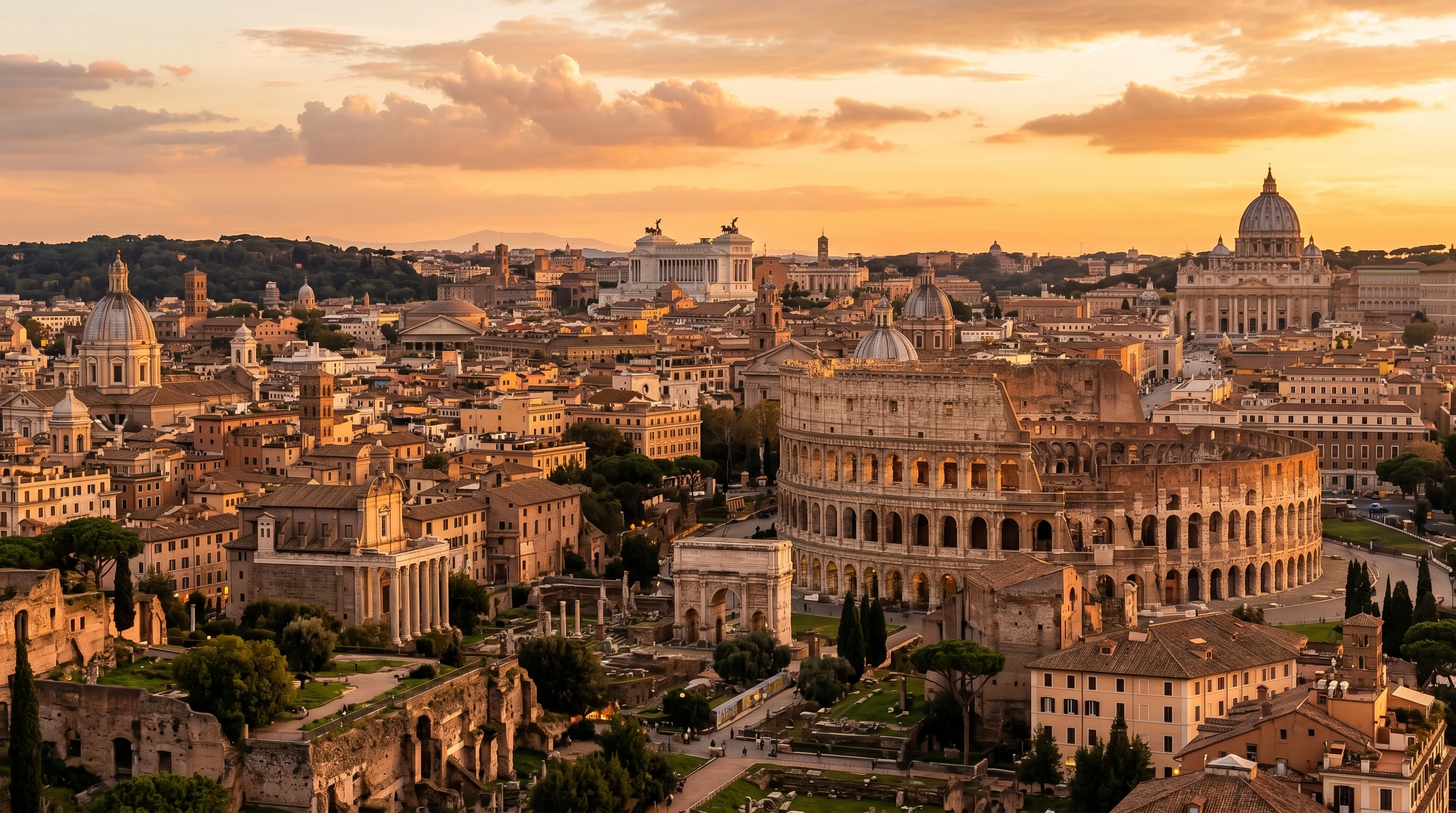
Quick Answer: How Many Days Do You Need in Rome?
If you’re just looking for the quick answer, here’s how it breaks down for most visitors wondering how many days to spend in Rome:
|
Time in Rome |
Best For |
Reality Check |
|---|---|---|
|
2 days |
Very quick highlights |
Rushed, only the biggest sights |
|
3 days |
First-time visitors on a tight schedule |
Main sights are possible, but busy |
|
4 days |
Best overall balance |
More relaxed and better for food/neighborhoods |
|
5 days |
Rome + day trip |
Ideal if you want Florence, Naples, Orvieto, Tivoli or Pompeii |
|
7 days |
Slow travel |
More local exploring and repeat visits |
3 days in Rome is a good fit for the average visitor, but 4 makes it feel less like you’re checking boxes and more like you’re actually soaking up the city. If you want to go beyond Rome, 5 days is really convenient for day trips.
Is 3 Days in Rome Enough?
Three days gives you the space to see what most people picture when they think of Rome. You’ll have time for:
- The Colosseum (and its neighbor, the Roman Forum)
- The Vatican Museums and St. Peter’s Basilica
- The Pantheon, Trevi Fountain, and Piazza Navona
- Wandering the historic center and grabbing classic Roman food
- An evening or two in Trastevere, Rome’s go-to neighborhood for local vibes and good places to eat
With 3 days, your trip will feel a bit scheduled. Mornings are for big-name sites, afternoons for exploring piazzas and quieter corners, and evenings looking for good gelato or a rooftop drink. While it’s busy, everything is within reach and you don’t have to miss much. If you’re coming from far away or it’s your first time in Italy, it’s pretty handy to have one extra day for some flexibility.
Is 4 Days in Rome Better?
Four days in Rome gives you way more breathing space. On a four-day trip, you’re not squeezing everything in; you’re actually able to enjoy longer lunches, walk scenic backstreets, take spontaneous detours for coffee, and even fit in a museum that’s not in every guidebook. You’ve got time for an evening stroll past the glowing Trevi Fountain, shopping in the Monti district, or a sunset walk in Villa Borghese without rushing to your next reservation.
Spending four days means less time spent waiting in lines, a slower pace, and more little discoveries—from hidden art churches to friendly wine bars. For most first-time visitors, 4 days is the sweet spot for feeling relaxed but still making the most of your trip.
What Can You Do With 5 Days in Rome?
Having five days in Rome opens up so many more possibilities. By day four, you’ve covered the main attractions and probably sampled plenty of local pasta and pizza. Day five is perfect for breaking out of the city and seeing a different side of Italy; there are fast-trains and easy connections straight from Roma Termini Station to places like:
- Florence (about 1 hour 30 minutes by high-speed train). A day of Duomo spotting, Renaissance art and top-tier markets—it’s totally doable.
- Naples (about 1hour 15minutes). Pizza, vibrant street life, and access to Pompeii or the Amalfi Coast.
- Pompeii (about 2hours). Explore the ancient ruins, usually paired with Naples.
- Tivoli (about 45minutes). See spectacular gardens and villas; Villa d’Este and Hadrian’s Villa are highlights.
- Orvieto (about 1hour). A quieter hilltop town with a famous cathedral and epic views.
Or, use the extra time to revisit a favorite Roman neighborhood, do an in-depth food tour, or spend a lazy day in the city’s parks. Five days lets Rome sink in without making you rush, or get overwhelmed by back-to-back walking tours.
Suggested 3-Day Rome Itinerary
Here’s what a realistic 3 days in Rome itinerary could look like for a first-timer:
- Day 1: Ancient Rome and the Historic Center
- Day 2: Vatican City and a Riverside Walk
- Day 3: Trastevere, Viewpoints and Food
This schedule keeps things realistic without stacking too much back-to-back.
Suggested 4-Day Rome Itinerary
With four days, the extra time means you can enjoy things like:
- Day 1: Colosseum, Roman Forum, Capitoline Hill, historic center
- Day 2: Vatican Museums, St. Peter’s Basilica, Castel Sant’Angelo
- Day 3: Trastevere, Jewish Ghetto, food tour or relaxed evening
- Day 4: Villa Borghese, Monti, Testaccio, Appian Way or rooftop sunset
You get a nice mix of major sights, chill-time, local food, and those bigger, slower evenings that travelers remember most.
Suggested 5-Day Rome Itinerary
With five days, you have all the time you need for Rome’s highlights plus a little adventure beyond the city. A lot of travelers opt for:
- Day 1–4. Spend these days covering everything in the suggested 4-day itinerary, with plenty of downtime and space to go back to favorite neighborhoods.
- Day 5. Head out by train:
- Florence for art, shopping and gelato
- Orvieto for local life and gothic architecture
- Naples for food, coffee, and a bold city vibe (bonus: Naples also gives access to Pompeii, although trying to combine Naples, Pompeii and the Amalfi Coast in one day from Rome is usually too rushed for most travelers.)
- Tivoli for world-famous gardens and villas
- Pompeii for a jaw-dropping archaeological day out
After a busy trip, spending the last night in Rome at a cozy trattoria or open-air bar is the perfect finale.
How Many Days in Rome by Travel Style?
| Traveler Type | Recommended Stay |
|---|---|
| First-time visitor | 4 days |
| Fast-paced traveler | 3 days |
| Food lover | 4–5 days |
| History lover | 5 days |
| Families | 4–5 days |
| Couples | 4 days |
| Travelers adding a day trip | 5 days |
Customise these recommendations based on your pace and personal interests. Some travelers love back-to-back museums, while others prefer long evenings watching the city glow.
Common Mistakes When Planning Rome
- Trying to do all the main sights in only 2 days (it’s doable but you’ll be majorly rushed and probably exhausted)
- Stacking up too many museums or big landmarks back to back (museum fatigue is real here)
- Underestimating the amount of walking—Rome is famous for uneven cobblestones and hills, so comfy shoes are a must
- Forgetting about food and evening plans; some of Rome’s best memories are made during slow meals or nighttime strolls
- Planning a day trip when you only have 3 days; adding a day outside Rome cuts deep into your city time
Careful scheduling keeps your Rome adventure fun, not overwhelming.
Best Day Trip If You Have Extra Time
If you find yourself with an extra day, Rome’s high-speed train network makes quick trips a breeze. Some of the top picks include:
- Florence. Stunning architecture, world-class art, and Tuscan cuisine.
- Orvieto. Laid-back charm with amazing views and a gothic cathedral.
- Naples. Food capital, quick train ride, and starting point for Pompeii.
- Tivoli. Easy half-day, with lush gardens and ancient villas.
- Pompeii. Unforgettable archaeological experience that pairs well with a pizza lunch in Naples.
Best day trips from Rome by train
Related Rome Travel Guides
- Best Rome Neighborhoods for First-Time Visitors
- Best Things to Do in Rome at Night
- Best Evening Food Tours in Rome
- Best Rooftop Bars in Rome
- Best Sunset Spots in Rome
- How to Read an Italian Menu Like a Local
Frequently Asked Questions
Is 3 days enough for Rome?
Yes, 3 days in Rome is enough to see the main highlights, including the Colosseum, Roman Forum, Vatican Museums, St. Peter’s Basilica, Trevi Fountain, Pantheon and Piazza Navona. It works best for travelers who are comfortable with a busy schedule.
Is 4 days in Rome too much?
No, 4 days in Rome is not too much for a first visit. In fact, four days is often the best balance because it gives you time for the major sights, local neighborhoods, longer meals, evening walks and a less rushed pace.
Can you see Rome in 2 days?
You can see a quick version of Rome in 2 days, but it will feel rushed. With only two days, focus on the Colosseum and Roman Forum, the Vatican, Trevi Fountain, Pantheon and a few central piazzas. You will have less time for food, neighborhoods and relaxed exploring.
How many days in Rome for a first visit?
For most first-time visitors, 4 days in Rome is ideal. Three days is enough for the highlights, but four days gives you more breathing room and lets you enjoy the city beyond the major attractions.
Should I add a day trip from Rome?
A day trip from Rome makes sense if you have at least 5 days. With 3 or 4 days, it is usually better to focus on Rome itself. With 5 days or more, you can add Florence, Naples, Orvieto, Tivoli or Pompeii by train.
For most travelers, 4 days in Rome is the best balance between sightseeing, food and relaxed exploring. Three days works if you want the main highlights and do not mind a busy schedule, while five days is better if you want a slower pace or an easy train day trip.
Rome rewards extra time. The longer you stay, the more space you have for evening walks, local neighborhoods, long meals and the small moments that make the city feel more memorable than a checklist of famous sights.