
Some of the links on this page are affiliate links, which means I may earn a small commission if you make a purchase through them, at no extra cost to you. This helps support the site and allows me to continue creating helpful content.
Rome can be one of the most rewarding cities in Europe, but first-time visitors often run into the same avoidable problems. It is easy to overpack the itinerary, underestimate walking distances, forget to book major attractions in advance, or end up paying too much for an average meal beside a famous landmark.
A smoother Rome trip is not only about seeing the Colosseum, Vatican and Trevi Fountain. It is also about choosing the right pace, staying in a practical area, understanding local restaurant habits and leaving enough space for slow walks, good food and unexpected discoveries.
This guide covers the most common Rome travel mistakes to avoid, especially if you are planning your first visit and want the city to feel enjoyable instead of exhausting.
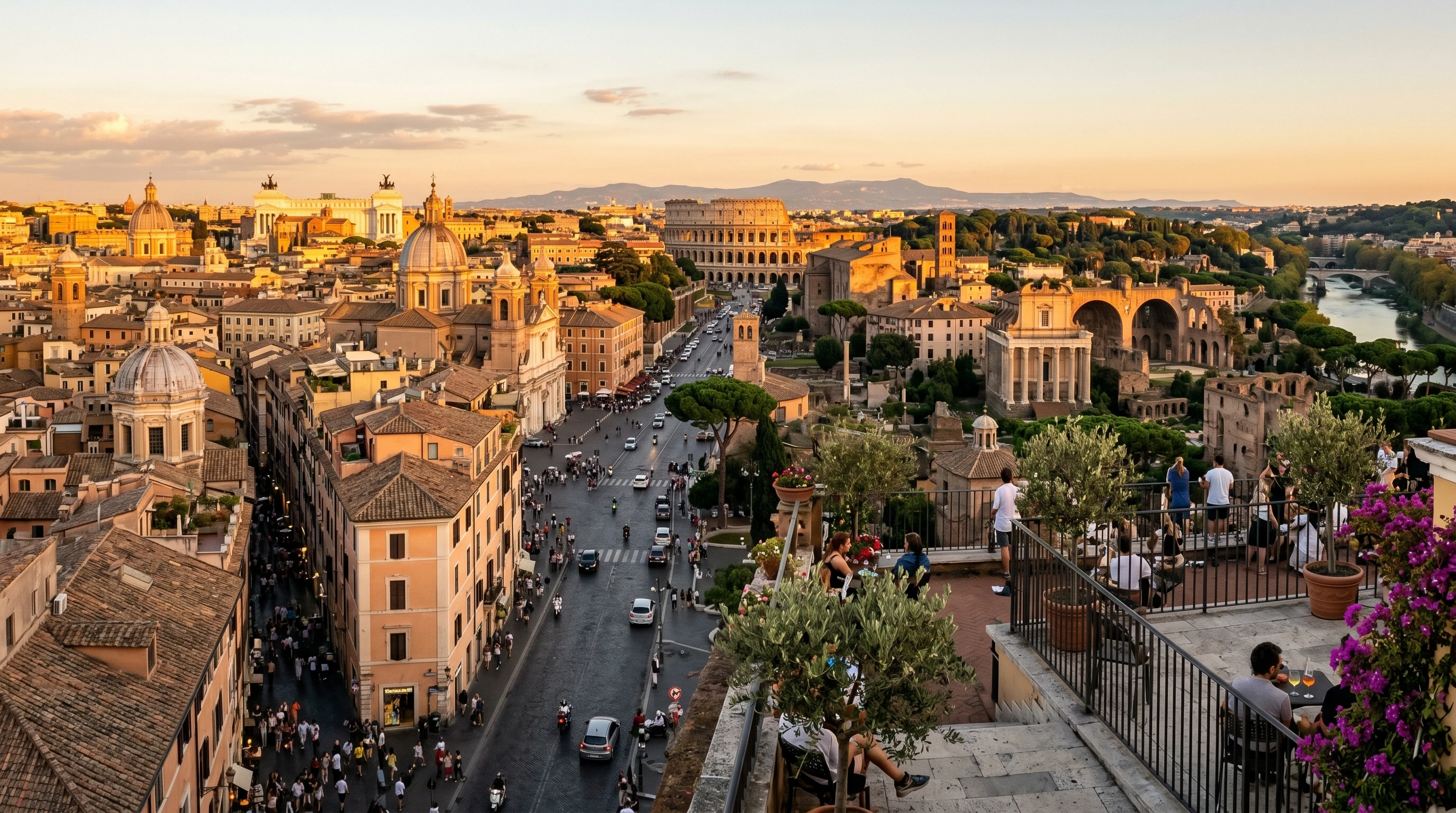
Quick Answer: What Are the Biggest Mistakes to Avoid in Rome?
|
Mistake |
Better Approach |
|---|---|
|
Trying to see everything in 2 days |
Build a realistic 3–4 day itinerary |
|
Not booking major sights |
Reserve the Colosseum, Vatican and Borghese Gallery early |
|
Staying far from transport |
Choose a walkable area or stay near metro/bus links |
|
Eating beside famous landmarks |
Walk a few streets away from tourist hotspots |
|
Ignoring menu basics |
Learn coperto, primi, secondi and local dishes |
|
Planning rushed day trips |
Choose one realistic train destination |
|
Wearing uncomfortable shoes |
Prepare for long walks and cobblestones |
Mistake 1: Trying to See Too Much Too Quickly
It is understandable to want to fit every classic sight into a Rome itinerary, because the list is long: Colosseum, Pantheon, Vatican, Spanish Steps, Villa Borghese, and more. But Rome isn’t built for speed tourism. The city is made up of layers that reward slow exploring. If you rush from monument to monument, the whole trip can blur together and leave you exhausted by day two. For a first visit, three days lets you see the core highlights. If you can, adding a fourth day opens up more time for quiet corners like Trastevere or Testaccio, and five days gives you room for a relaxed day trip. Planning fewer sights each day makes the whole experience less stressful and way more rewarding. Making sure you pace yourself helps preserve energy and gives you time to stumble upon hidden gems, like a side alley trattoria or an impromptu street concert that might end up as your trip’s highlight.
Mistake 2: Not Booking Major Attractions in Advance
Major Rome sights like the Colosseum, Vatican Museums, and Galleria Borghese almost always need advance planning. These are world-famous places, and tickets do sell out days or even weeks ahead, especially in spring, summer and around holidays. If you show up without an advance booking, you may spend hours in line or even get turned away. Booking official tickets online is usually straightforward; just double-check entry times and bring your confirmation. For the Vatican or Borghese Gallery, timed entry is standard. Reserving tickets saves you stress and lets you plan the day with confidence, so you don’t waste precious vacation hours waiting around. Even less famous-sights, such as Domus Aurea or Rome’s catacombs, can see long waits and sellouts, so it helps to book these in advance if they’re on your must-see list.
If you have limited time in Rome, booking major attraction tickets or a guided tour in advance can save a lot of waiting around.
Compare Rome Attraction Tickets and Tours
Mistake 3: Choosing the Wrong Area to Stay
Rome’s size and layout can catch first-timers off guard. Prices and comfort vary a lot from neighborhood to neighborhood, and it’s easy to book a hotel that looks central on the map but is actually a long, tiring commute from the sights. Staying out near the ring road or far from metro and bus connections eats up sightseeing time and can kill your energy. For easier exploring, base yourself close to public transport and walkable streets. Solid options range from Centro Storico (the city center with major sights) to Monti (cool and close to the Colosseum), Trastevere (charming and lively), Prati (handy for the Vatican) and around Termini (budget-friendly and convenient for trains). Your ideal neighborhood will depend on your style and budget. Staying central also means you can quickly drop off shopping bags or take a quick break between the sights, making your trip much smoother.
Mistake 4: Eating Too Close to Tourist Hotspots
Sitting down for a meal just a few steps from the Pantheon or Trevi Fountain might seem appealing until you glance at the bill. Restaurants right next to Rome’s major landmarks often charge a premium and serve forgettable food, targeting tourists in a hurry. A better approach is to walk at least two or three blocks away from major attractions before choosing a trattoria. Check menus for local Roman dishes such as cacio e pepe or carbonara, rather than tourist standards. Be cautious of places with pushy hosts trying to hustle you inside, or menus in seven languages with big photo boards. Some of Rome’s best meals are found in humble-looking spots off quieter side streets, where locals actually eat. Exploring beyond the obvious places and finding more authentic restaurants can lead to memorable dining experiences that outshine any pizza you’d grab beside the big tourist crowds.
A local food tour can also help you avoid tourist traps and understand what to order in Rome.
Mistake 5: Not Understanding Italian Menus
Ordering in Rome is part of the fun, but menus can be a puzzle for newcomers. Meals are usually broken into antipasti (starters), primi (first course, usually pasta or soup), secondi (main courses, often meat or fish), contorni (side dishes), and dolci (desserts). You don’t need to order one of everything, but knowing the flow helps. Also, “coperto” is a cover charge per person (a small fee for bread and table service) that’s common, especially around the historic center. If you’re not sure, just ask your server. It’s worth mulling over regional specialties and asking for house recommendations, since most Roman restaurants take pride in their traditional recipes.
Mistake 6: Underestimating Walking Distances
Rome is fairly compact, but even so, the city can be brutal on tired feet. Cobbled streets, uneven pavements, and hills add up fast. Popular sights seem close together on a map, but you could easily clock eight or more miles in a day. Summer heat, lack of shade, and old stone stairs multiply the challenge. The right shoes make a massive difference here. Leave anything without good support at home. If your feet give out by afternoon, grab a gelato, take a break in a shady piazza, or hop on a bus. Planning for plenty of downtime and walking smart can help you make it from the morning cappuccino to a late-night stroll past the illuminated fountains. Don’t forget, there are also plenty of benches, fountains with cool drinking water, and parks where you can rest and take in the views—giving a boost to both your feet and your overall energy.
Mistake 7: Planning Day Trips Too Aggressively
Rome is a fantastic base for short trips by train. Quick hops to Tivoli, Orvieto, or Florence are realistic if you plan ahead. The problem comes when people try to combine distant sights (for example, Naples plus Pompeii plus the Amalfi Coast in a single day) or underestimate travel times. These packed days can leave you frazzled and wishing you’d just stayed in Rome. Stick to one destination per-day trip, ideally somewhere that’s direct by train. You’ll actually get to relax and enjoy the experience. For more realistic ideas, see the guide to the best Rome day trips by train. Try to time your day trip so you’re not rushing back and can unwind with a late dinner in one of Rome’s quieter neighborhoods when you return.
Mistake 8: Ignoring Rome at Night
The city changes in the evening. Piazzas glow, fountains sparkle, and the crowds thin out just enough to make wandering magical. Many people retreat to hotels after dinner, but some of your best Rome memories might happen after dark. Explore the historic center or Trastevere at dusk, grab a gelato on the Spanish Steps, or try a rooftop aperitivo with panoramic city views. Guided food walks in the evening can be a surprisingly fun way to connect with local life. The city is generally lively (and safe in tourist areas) well after sunset. Want more details? Adding a couple of nighttime strolls will let you feel the city’s after-hours pulse and stumble upon live music, late markets, and busy enotecas full of locals winding down their day.
Mistake 9: Forgetting Basic Safety and Comfort
Rome is generally safe for tourists, but pickpocketing can be an issue in crowded areas and on public transport. Pickpocketing is the main annoyance, especially on public transport and in tight crowds around the Colosseum and Termini. Keep your bag zipped and in front of you. Stay hydrated; a refillable water bottle is super handy, as you’ll find public fountains all over town with safe, cold drinking water. Official taxis are white and have clearly marked numbers. Always check the meter and try to avoid random, unlicensed cabs. If you use buses or light rail, make sure to validate your ticket at the machines (look for yellow boxes). Random checks happen, and the fines are real. A little street sense and patience make moving around much easier. It’s worth packing a portable power bank to keep your phone charged for directions and translation apps, too.
Mistake 10: Treating Rome Like a Checklist
Everyone comes for must-see icons like the Colosseum and Vatican, but focusing only on big-name spots can leave you missing the real heart of Rome. Some of Rome’s most memorable moments often happen away from the biggest sights: sitting in a quiet church, drinking coffee at a neighborhood café, or wandering through a local market. Balancing your trip with downtime, like slow coffees, random discoveries, and lingering in local piazzas, lets Rome’s personality come alive. The right Rome itinerary isn’t just about crossing off sights; it’s about soaking up the pace and energy of the city itself. Be open to changing your schedule a little and follow your curiosity when something grabs your attention as you walk.
|
Mistake |
Better Approach |
|---|---|
|
Too many sights |
Build a realistic itinerary |
|
No advance tickets |
Book major attractions early |
|
Bad restaurant choices |
Walk away from tourist hotspots |
|
Wrong area to stay |
Stay near transport or central areas |
|
Rushed day trips |
Choose one realistic destination |
|
Uncomfortable shoes |
Prepare for lots of walking |
Related Rome Travel Guides
- How Many Days in Rome Is Enough?
- Best Rome Day Trips by Train
- How to Read an Italian Menu Like a Local
- Best Rome Neighborhoods for First-Time Visitors
- Best Things to Do in Rome at Night
- Best Evening Food Tours in Rome
- Best Rooftop Bars in Rome
- Best Sunset Spots in Rome
Frequently Asked Questions
What should I avoid on my first trip to Rome?
On a first trip to Rome, avoid trying to see everything too quickly, skipping advance tickets for major sights, eating only beside famous landmarks, staying too far from public transport and wearing uncomfortable shoes. A slower, better-planned itinerary usually makes Rome much more enjoyable.
Is Rome hard for first-time visitors?
Rome can feel overwhelming at first because it is busy, historic and spread across different neighborhoods. However, it becomes much easier with a realistic itinerary, comfortable walking shoes, pre-booked tickets for major attractions and a good base near public transport.
How many days do you really need in Rome?
Three days is enough for Rome’s main highlights, including the Colosseum, Vatican and historic center. Four days is better for most first-time visitors because it gives more time for food, neighborhoods and evening walks. Five days works well if you want to add a day trip by train.
Should I book Rome attractions in advance?
Yes, it is a good idea to book major Rome attractions in advance, especially the Colosseum, Vatican Museums and Galleria Borghese. Timed tickets can save hours of waiting and help you plan your sightseeing days more realistically.
Is it worth taking a day trip from Rome?
A day trip from Rome is worth it if you have enough time. With five days or more, places like Florence, Orvieto, Tivoli, Naples or Pompeii can work well by train. With only two or three days, it is usually better to focus on Rome itself.
Planning a Rome trip is a lot easier with a few reliable tips: slow things down, pre-book top sights, pick a neighborhood that cuts down on travel headaches, and work in some gelato-fueled downtime between all those ancient wonders. With a little prep—and a flexible attitude—your first trip to Rome will be one you’ll remember for all the right reasons. Take your time, keep your plans adjustable, and let the city surprise you around every corner.