
Some of the links on this page are affiliate links, which means I may earn a small commission if you make a purchase through them, at no extra cost to you. This helps support the site and allows me to continue creating helpful content.
Portugal has plenty of simple, affordable snacks that work well for busy travel days, beach picnics, train rides, café stops, and supermarket food shopping. Visitors can find everything from sweet pastries and packaged biscuits to savory sandwiches, olives, cheese, seafood tins, and regional sweets.
Some Portuguese snacks are best eaten fresh at a bakery or café, while others are easier to buy from supermarkets and pack for a day trip or take home as food souvenirs. Availability can vary by region, season, bakery, supermarket, and local tradition, so the best choices are not exactly the same everywhere.
This guide covers sweet and savory Portuguese snacks to try, where to find them, which ones are better for souvenirs, and what to avoid packing for long journeys.
Quick Answer: What Portuguese Snacks Should You Try?
Some Portuguese snacks worth trying include pastel de nata, pão de Deus, bola de Berlim, broas, areias, almond sweets, fig sweets, tremoços, olives, local cheese, canned sardines, piri piri crisps, bifana, prego, rissóis, empadas, Portuguese chocolate, and packaged biscuits.
Fresh pastries, sandwiches, rissóis, cheese, and chilled snacks are usually best enjoyed during the trip. Packaged biscuits, almond sweets, fig sweets, chocolate, coffee, tea, and canned seafood are better options for souvenirs because they are easier to pack.
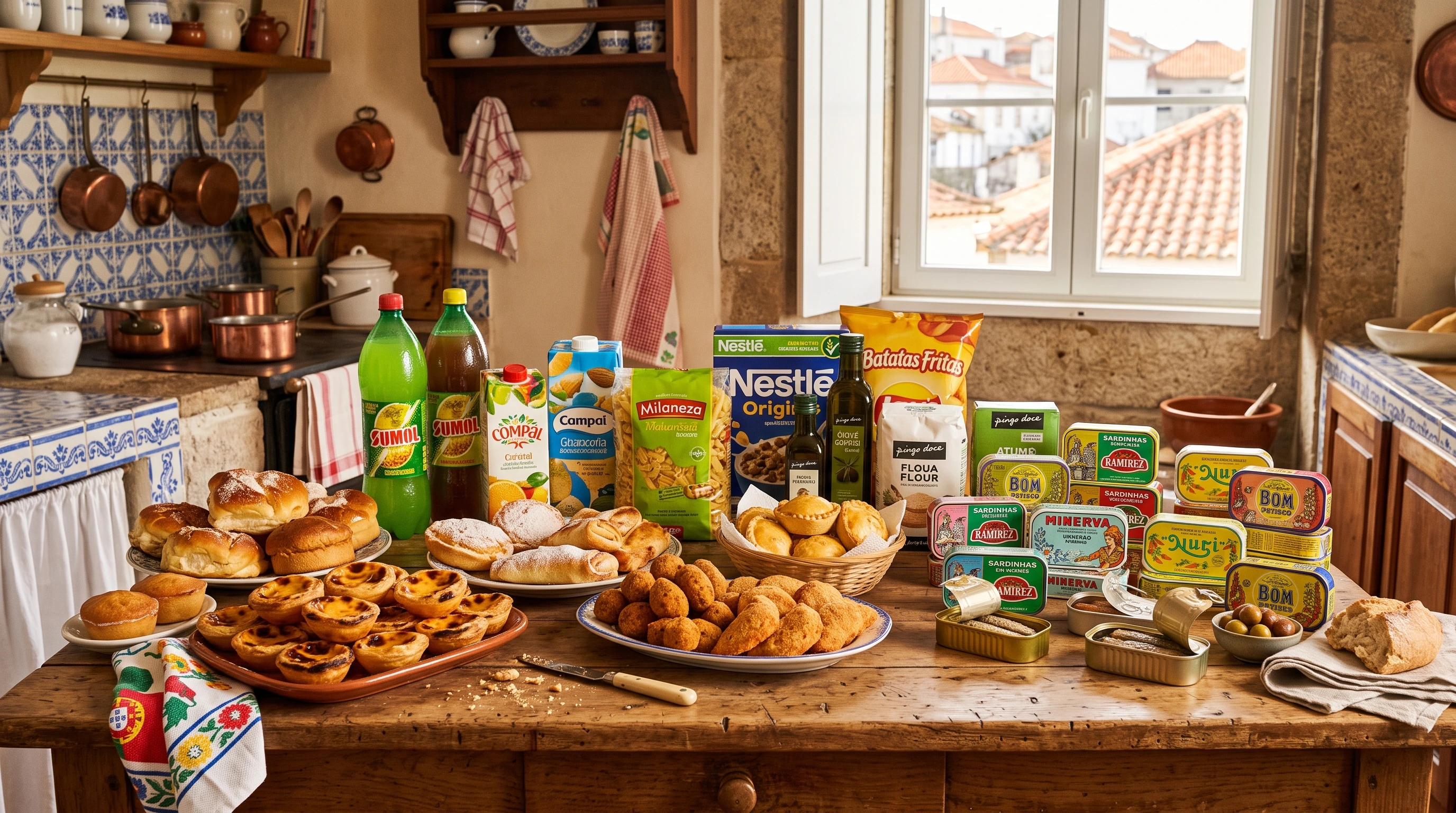
Best Portuguese Snacks to Try
| Snack | Sweet or Savory | Best Place to Try It |
|---|---|---|
| Pastel de nata | Sweet | Bakery or café |
| Pão de Deus | Sweet | Bakery |
| Bola de Berlim | Sweet | Beach café or bakery |
| Tremoços | Savory | Bar or supermarket |
| Rissóis | Savory | Café or snack counter |
| Canned sardines | Savory | Supermarket or food shop |
| Piri piri crisps | Savory | Supermarket |
| Areias | Sweet | Bakery or supermarket |
| Broas | Sweet | Bakery or supermarket |
| Empadas | Savory | Bakery or café |
| Portuguese cheese | Savory | Supermarket, deli, or bar |
Sweet Portuguese Snacks
Portugal is well known for pastries and sweets, many of which are commonly enjoyed with coffee, as a light breakfast, or as an afternoon snack. Here are some top options if you’re looking for sweet treats:
- Pastel de nata: The best known snack from Portugal, these little egg tart custard pastries have crisp, flaky shells and a creamy center. It’s common to eat them freshly baked at a café.
- Pão de Deus: A sweet, fluffy roll topped with coconut and sugar, usually eaten for breakfast or with coffee in the afternoon. Bakeries often keep them stocked, but they sell out by mid-morning in some places.
- Bola de Berlim: A big, sugar dusted donut filled with egg yolk cream, sometimes seen at bakeries but especially common at the beach in summer. These are best eaten fresh.
- Broas: These small cookies or cakes have many regional varieties. Some are spiced for Christmas, some are almond based, and others are soft. Supermarkets also sell them in bags for traveling.
- Areias: Little shortbread like cookies dusted in sugar. They’re crumbly, light, and usually come packaged for easy snacking.
- Almond sweets: Almond paste, marzipan animals, almond cakes, and local biscuits show up everywhere in the south, especially at festivals and in souvenir tins.
- Fig sweets: Figs are turned into rolls, cakes, or logs with nuts and spices; they’re great for taking on hikes or as a dessert after dinner.
- Honey cakes: Known as “bolo de mel” in Madeira, these dense, dark cakes can be found at specialty bakeries and markets. They last for weeks when wrapped well.
- Packaged biscuits and cookies: Supermarkets carry many local brands, often sold in big bags or boxes. These are good for road trips, train rides, or as souvenirs.
Fresh pastries are always best enjoyed within a day or two, and I don’t usually recommend packing them for a long trip home. Packaged biscuits, fig sweets, and almond candies travel much better and make nice gifts.
Savory Portuguese Snacks
Portugal’s savory snacks are often easy to eat on the go, making them perfect for quick lunches, picnics, or casual afternoons with a drink. These are common options for something filling without sitting down for a full meal:
- Rissóis: Golden, fried turnovers filled with shrimp, fish, or minced meat. They’re sold by the piece at most café snack counters or bakeries. They’re best eaten warm and fresh, but some supermarkets offer them in the chilled section.
- Empadas: Small, round savory pies made with chicken, tuna, beef, or even salty cod. They’re a staple in cafés and bakeries, and some regions are known for unusual fillings.
- Croquetes: Breaded and deep fried logs of ground beef or chicken. Usually served in bars or as petiscos (tapas style snacks) but also available at some bakeries.
- Cheese: Many Portuguese cheeses are sold in small wheels or wedges that fit perfectly with bread for a light snack. Good varieties include “queijo de Azeitão,” “queijo de Nisa,” or mild cow’s milk rounds from the supermarket.
- Olives: Local olives are sometimes marinated with garlic, herbs, or orange peel. They’re offered as a free welcome snack at bars and can be bought in jars or tubs from stores.
- Tremoços: Chilled, salty lupin beans are served in bars and supermarkets. They’re a popular “petisco” with drinks; just pop the slippery yellow beans out of their skins and enjoy.
- Canned sardines or mackerel: Tinned fish is a staple in Portuguese households. It’s easy to eat with bread or as a protein rich snack. Many supermarkets carry beautifully illustrated tins, and they don’t need a fridge, making them easy for road trips.
- Simple sandwiches: The “bifana” is a soft roll filled with thin sliced, seasoned pork. The “prego” is a steak sandwich, sometimes with mustard or hot sauce. Both make a filling, traditional Portuguese snack.
Fresh snacks, especially those with dairy, eggs, or meat, don’t travel well for long periods or in hot weather. I like to eat them during the trip and stick to packaged or canned foods for taking home.
Portuguese Supermarket Snacks
Portuguese supermarkets are useful places to buy affordable snacks for day trips, beach outings, train journeys, apartment stays, and food souvenirs. You’ll find:
- Portuguese crisps in flavors like olive oil, garlic, and piri piri (spicy chili)
- Chocolate bars and bonbons from local and international brands
- Big bags or boxes of biscuits, from Maria cookies to buttery “areias” and “palmiers” (pastry biscuits)
- Canned seafood—sardines, mackerel, octopus, cod, and sometimes spicy “pica pau” or tuna in oil
- Prepackaged regional cakes and fig sweets, often near the bakery or snack aisle
- Packets of roasted or spiced nuts, sunflower seeds, or almonds
- Jars of local olives, whole and pitted, or marinated with herbs
- Chilled drinks like iced coffee, chocolate milk, or fruit juices in singleserve packs
Availability varies by store and region. For more tips, see What to Buy at Portuguese Supermarkets.
Snacks to Try at Cafés and Bakeries
Cafés and pastelarias (bakeries) are a key part of daily life in Portugal. Many cafés and pastelarias are used for quick coffee, pastries, sandwiches, and simple snacks throughout the day. Common snacks include:
- Freshly baked pastéis de nata, pão de Deus, bolo de arroz (rice flour muffin), and travesseiros (puff pastry pillows with almond cream)
- Savory turnovers, rissóis, and empadas
- Simple meat or cheese “tostas” (grilled sandwiches)
- Packaged biscuits for dunking in coffee
- Seasonal sweets like chestnut cakes or pumpkin pasties
Local cafés aren’t just about food. They’re also a chance to experience Portuguese coffee culture, especially during breakfast hours. For a look at how Portuguese cafés work, check out Portuguese Café Culture and Portuguese Breakfast Culture.
Best Snacks for Budget Travelers
Eating in Portugal doesn’t have to be expensive, especially when I stick to snacks and supermarket finds. Some ideas for affordable eats:
- Bread rolls (“carcaças” or “papo secos”) from bakeries or supermarkets
- Slices of local cheese (sold by weight, easy to pair with bread or fruit)
- Seasonal fruit, such as apples, oranges, or pears
- Individual pots of yogurt (store brands are cheap and come in many flavors)
- Packs of biscuits, like Maria cookies or lemon wafers
- Singleserve bags of crisps, available at almost any supermarket
- Canned sardines or tuna for a quick protein fix
- Simple sweet pastries—often just a euro or two at bakeries outside tourist zones
For more tips on saving money while eating in Portugal, see Eating in Portugal on a Budget.
Snacks That Make Good Souvenirs
For travelers who want to bring food souvenirs home from Portugal, the best choices are usually sealed, shelf-stable products that travel well. Some souvenir friendly ideas include:
- Packaged biscuits and cookies, especially local brands or decorative tins with art
- Marzipan and almond sweets, sometimes shaped like fruit or animals
- Fig cakes, rolls, and bars
- Chocolate bars, often found in flavors like orange, port wine, or almond
- Canned sardines, mackerel, or octopus (the tins are easy to pack, but customs rules for seafood products vary by destination)
- Packs of ground coffee or whole beans from Portuguese roasters
- Portuguese teas, such as herbal infusions from Madeira or the Azores
- Sea salt in pouches or small jars, often harvested by hand from Algarve salt flats
- Decorative sardine or tile patterned packaging for extra flair
It’s smart to check customs rules for food when traveling internationally. For more ideas, see Best Food Souvenirs from Portugal.
Common Mistakes to Avoid
- Expecting every snack to be available in every town, bakery, or supermarket. Options change with the season, bakery, and location.
- Buying fresh pastries if you plan to travel a long way. Most get stale by the next day or can get messy in a suitcase.
- Packing chilled, dairy, or meat products as souvenirs (these aren’t shelf stable unless clearly labeled).
- Forgetting about customs restrictions, especially for meat, cheese, seafood, and liquids. Always check before packing.
- Only shopping in tourist souvenir shops. Regular supermarkets and small bakeries often offer better value than tourist souvenir shops.
- Assuming that big, famous snacks are the only ones worth trying. Sometimes the best thing is what looks freshest or what other people are ordering that day.
Related Portugal Food Guides
- What to Buy at Portuguese Supermarkets
- Best Food Souvenirs from Portugal
- Portuguese Breakfast Culture
- Portuguese Café Culture
- Portuguese Desserts & Sweets
- Eating in Portugal on a Budget
- Portuguese Petiscos Explained
Frequently Asked Questions
What are the most popular Portuguese snacks?
Some of the best-known Portuguese snacks include pastel de nata, bifana sandwiches, bola de Berlim, rissóis, empadas, tremoços, olives, local cheese, canned sardines, and packaged biscuits.
What sweet snacks should you try in Portugal?
Sweet Portuguese snacks to try include pastel de nata, pão de Deus, bola de Berlim, broas, areias, almond sweets, fig sweets, honey cakes, and packaged biscuits. Fresh pastries are usually best eaten during the trip, while packaged sweets travel better.
What savory snacks should you try in Portugal?
Savory Portuguese snacks include rissóis, empadas, croquetes, olives, cheese, tremoços, bifanas, pregos, and canned fish such as sardines or mackerel with bread.
Can you buy Portuguese snacks in supermarkets?
Yes. Portuguese supermarkets often sell crisps, biscuits, chocolate, nuts, cheese, canned seafood, packaged cakes, olives, coffee snacks, and regional sweets. Some larger supermarkets also have bakery sections with pastries and savory snacks.
Which Portuguese snacks make good souvenirs?
Good Portuguese snack souvenirs include packaged biscuits, almond sweets, fig sweets, chocolate, coffee, tea, sea salt, and canned sardines or mackerel. Customs rules vary, so check your destination’s food import rules before packing seafood, dairy, meat, or liquids.
Are Portuguese snacks cheap?
Many Portuguese snacks can be budget-friendly, especially from bakeries, supermarkets, and local cafés. Prices vary by location, season, store type, and whether you are shopping in tourist areas or local neighborhoods.
Wrapping Up
Portuguese snacks are an easy way to explore local food culture without planning a full restaurant meal. Bakeries, cafés, supermarkets, beach kiosks, and small food shops all offer different options, from fresh pastries and savory turnovers to packaged biscuits, crisps, cheese, olives, and canned seafood.
Fresh snacks such as pastries, sandwiches, rissóis, cheese, and chilled foods are usually best enjoyed during the trip. Packaged sweets, biscuits, coffee, tea, chocolate, and canned seafood are better choices for souvenirs because they are easier to pack.
For the best variety, try a mix of cafés, bakeries, supermarkets, and local markets. Availability changes by region and season, so part of the experience is seeing what looks fresh, local, and easy to enjoy during the day.