
Some of the links on this page are affiliate links, which means I may earn a small commission if you make a purchase through them, at no extra cost to you. This helps support the site and allows me to continue creating helpful content.
Choosing where to stay in Rome can shape your whole first visit. The right area can make sightseeing easier, reduce travel time, and help you enjoy better food, nightlife or transport connections without spending half your trip commuting.
For most first-time visitors, Centro Storico is the best area for classic sightseeing, Monti is great for the Colosseum and ancient Rome, Prati is best for the Vatican, Trastevere works well for food and nightlife, Termini is practical for budget hotels and trains, and Testaccio gives you a more local Roman feel.
This guide compares the best areas to stay in Rome, who each neighborhood is best for, and what to check before booking your hotel
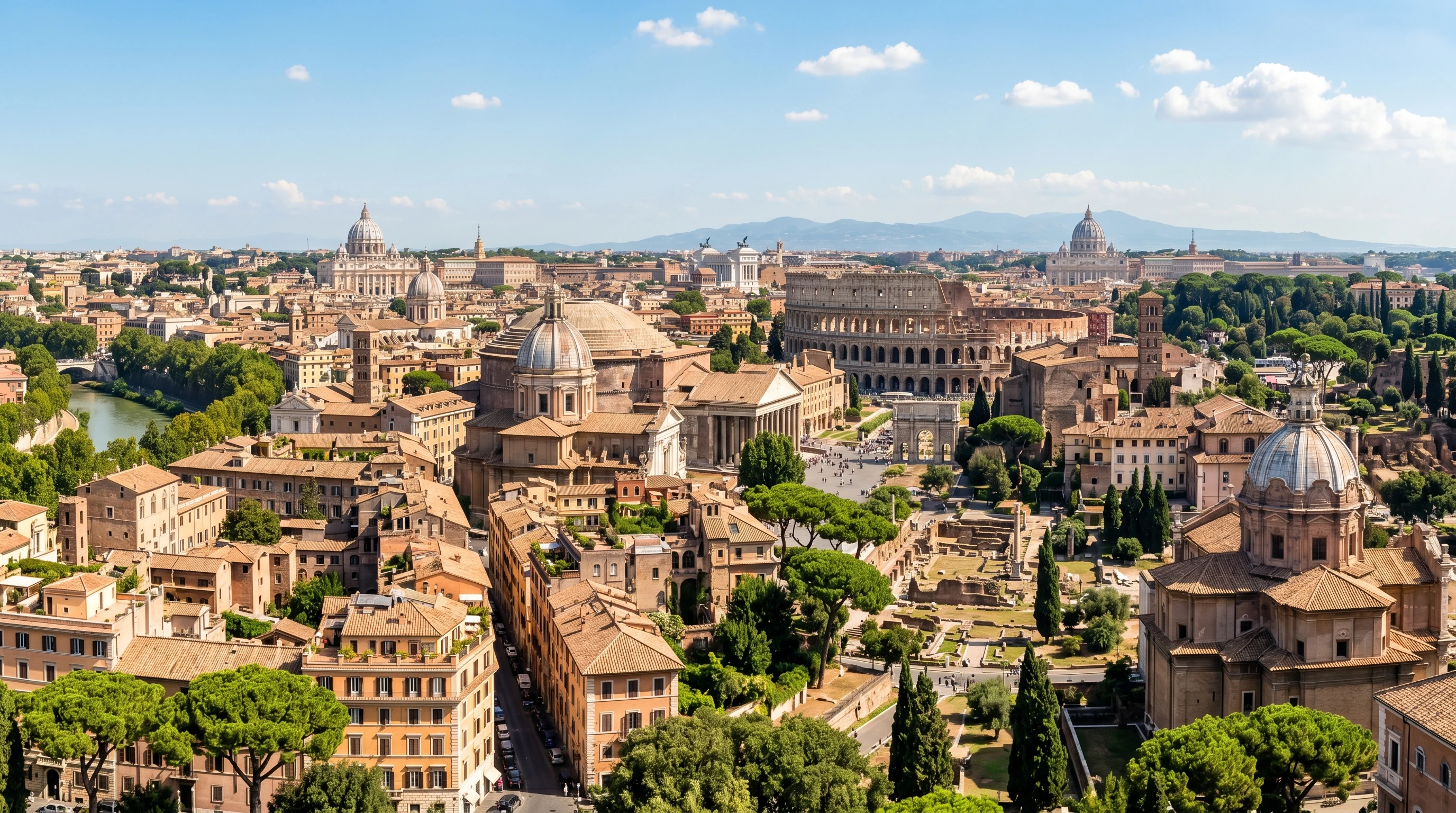
Quick Answer: Best Areas to Stay in Rome
| Traveler Type | Best Area |
|---|---|
| First-time sightseeing | Centro Storico |
| Near the Colosseum | Monti |
| Vatican visits | Prati |
| Food and nightlife | Trastevere |
| Budget and trains | Termini |
| Local feel | Testaccio |
| Day trips by train | Termini or Monti |
Before booking, compare hotel locations carefully and check walking distance to the sights, public transport, recent guest reviews, air conditioning and total price including city tax.
Centro Storico: Best Overall Area for First-Time Visitors
Centro Storico is the historic heart of Rome. For many first-time visitors, Centro Storico is the easiest area because it puts the Pantheon, Trevi Fountain, Spanish Steps, Piazza Navona and Campo de’ Fiori within walking distance. When you stay here, don’t waste time on transport. You can explore on foot, grab a gelato at sunset, and take in the street performers and daily Roman life. The atmosphere is lively day and night, especially near the main landmarks. This central convenience means hotels can be expensive, and popular streets get crowded, especially in summer. If you want to step outside and immediately be in the thick of things, this is your spot. For first-timers wanting that classic Roman experience, Centro Storico makes sightseeing simple and fun. Although the area can get hectic, the energy is part of its unique charm. If you enjoy waking up to the Italian city buzz, Centro Storico never disappoints.
Monti: Best Area Near the Colosseum
Monti is a stylish, creative neighborhood right next to the Colosseum and the Roman Forum. Monti works well because it combines central location, ancient ruins, restaurants, cafés and a more relaxed neighborhood feel. You get cobbled lanes, pretty piazzas, independent boutiques, and lots of good restaurants and wine bars. Couples and solo travelers often enjoy this balance between being close to iconic ruins and having plenty of relaxed places to hang out in the evening. Monti feels more chilled than the busy Centro Storico but is still seriously central. If you want to wake up and walk to the Colosseum before the crowds, Monti is hard to beat. The area is also handy for train access at Termini and for day trips. Hotel options vary from small guesthouses to stylish boutique hotels, so there’s something for different budgets. With just a short stroll, you’ll pass both 2,000-year-old ruins and lively local bars, giving your stay a true sense of Rome’s present and past mixing together.
Prati: Best Area for the Vatican
Prati sits just north of the Vatican and is the best pick if Vatican Museums, the Sistine Chapel, or St. Peter’s Basilica are at the top of your list. Prati often feels calmer and more residential than the historic center, with wider streets, good shopping and easy access to the Vatican. Families with kids tend to like Prati because it’s quiet at night and has easy access to the Metro at Ottaviano and Lepanto. The area also gives you an easy walk to Castel Sant’Angelo and nice views across the river. Hotels are usually better value than those right in the main tourist zone, and you still get good access to the main sights with public transport or a pleasant walk. Shopping enthusiasts will appreciate Via Cola di Rienzo, which is loaded with both international and local brands, making Prati a retail destination in itself. If you prefer staying away from the massive crowds but want everything within reach, Prati is a strong contender, especially for extended stays or family trips.
Trastevere: Best Area for Food and Nightlife
Trastevere is a strong choice for travelers who want food, nightlife and evening atmosphere. The tangle of medieval streets here makes stumbling upon trattorias, wine bars, and little artisan shops a real pleasure. Piazza Santa Maria comes alive every night with locals and travelers, all soaking up that unmistakable Roman atmosphere. Trastevere is famous for its restaurants, making it the best area in Rome for food and nightlife. One thing to keep in mind: transport can be less straightforward, since there’s no nearby Metro stop, and the area gets loud at night; so if you’re a light sleeper, check recent hotel reviews about noise before you book. For first-time visitors keen on eating, drinking, and soaking up a fun Roman vibe after dark, Trastevere is a top choice. In the daytime, its quiet churches and ivy-draped façades give a taste of old Rome that contrasts with the energy after sunset. Art lovers will want to check out the Villa Farnesina and hidden mosaics, while those seeking relaxation can cross the Ponte Sisto for riverside strolls. Trastevere’s authenticity and blend of old-meets-new make it a memorable hub for explorers of all ages.
Termini: Best Area for Budget Hotels and Trains
Termini is the main train station area and works best for travelers keeping an eye on the budget or planning day trips out of Rome. Termini works best for travelers who need easy train access, airport connections or lower-cost accommodation. Hotels and hostels here are usually cheaper, with a range of simple options just minutes from the station. The area is very practical: easy to get a taxi, hop on the Metro, or grab a bus to any part of the city. Termini itself is not the prettiest or most charming part of Rome, and you should keep city awareness in mind around the station at night. But if location and price are top priorities, or you plan to use Rome as a base for trips to Florence, Naples, or Pompeii, Termini is super convenient. When booking in this area, always check recent reviews and pick hotels with good security and clean facilities. Beyond that, Termini’s proximity to neighborhoods like Esquilino and Castro Pretorio means you can branch out for different dining experiences or cultural stops, even if the immediate area is focused on transport. For people arriving late or leaving early, staying here can make travel logistics smooth and stress-free.
Testaccio: Best Area for a More Local Feel
Testaccio is best if you want a more local, lived-in side of Rome with fewer tourists and plenty of character. Testaccio is a good option for travelers who want a more local, food-focused side of Rome with fewer tourists. The area has a slower pace, with street art, green spaces, and easy access to the Tiber River path. If you’re a repeat visitor, foodie, or traveler who wants to unwind away from the crowds but still have good transport options, Testaccio is great value. Most of the main ancient sights require a bus or Metro ride, so it’s not ideal if you want to walk everywhere, but for a relaxed and local experience, Testaccio stands out. The district is also known for its late-night bakery windows and celebrated Monte Testaccio hill built from ancient pottery shards; little finds like these make the area full of local surprises. Nightlife is lively yet more relaxed, and you’ll often eat alongside real Romans. For longer stays or anyone seeking to truly taste Rome’s everyday rhythms, Testaccio is a great option that avoids tourist overload.
Best Area by Trip Style
- 2 days in Rome: Stay in Centro Storico or Monti to see as much as possible on foot and with short Metro or bus rides. With limited time, being central lets you pack in the must-see sights and enjoy Rome’s energy.
- 3–4 days in Rome: Centro Storico, Monti, Prati, or Trastevere all work well. You’ll have time to jump into different neighborhoods, try local restaurants, and explore at a relaxed pace, fitting in everything from markets to museums without feeling rushed.
- 5 days with day trips: Termini and Monti are handy for catching early trains. You can do easy day trips to Florence, Orvieto, Tivoli, or Naples, and still reach Rome’s main sights. Having a central home base makes these excursions painless.
- Family travel: Prati and Centro Storico are favorites for families thanks to their safe, quieter streets and access to parks, playgrounds, and larger hotel rooms or apartments.
- Food-focused visit: Trastevere and Testaccio are both filled with authentic eateries, local bakeries, and food markets—ideal if sampling classic Roman dishes is a top goal.
| Trip Style | Best Area |
|---|---|
| 2 days in Rome | Centro Storico or Monti |
| 3-4 days in Rome | Centro Storico, Monti, Prati or Trastevere |
| 5 days with day trips | Termini or Monti |
| Family travel | Prati or Centro Storico |
| Food-focused visit | Trastevere or Testaccio |
| Budget travel | Termini |
| Vatican-focused trip | Prati |
Hotel Booking Tips for Rome
- Book early during busy seasons:
- Rome is especially busy from spring through autumn and around major holidays, so booking at least 2–3 months ahead usually gives you more choice and may help you avoid last-minute price jumps.
- Check walking distance, not just map distance: Streets in Rome can be winding, so a hotel that looks close to the Trevi Fountain might actually be a long walk with lots of crowds or uneven lanes.
- Stay near transport if you’re outside the center: If you book in Prati, Testaccio, or even Trastevere, pick a place near a Metro stop or main bus line to avoid long commutes.
- Read recent reviews about noise: Central areas and lively neighborhoods can be noisy, especially in summer. Filter for recent guest feedback for honest info about noise and crowds.
- Check air conditioning in summer: Roman summers get hot and many older buildings don’t have strong AC. Always check if air conditioning is reliable, especially in July or August.
- Check stairs or elevator access: Rome’s historic buildings often have narrow stairs and no elevators. If you have lots of luggage or mobility concerns, ask before booking.
- Compare total cost, including city tax: Rome adds a city tax per person per night which is often not included in displayed prices. Double-check the full cost before booking to avoid surprises at check-in.
- Ask about late check-in or luggage storage: Many hotels and guesthouses in Rome are small, family-run businesses. If you have an early arrival or late departure, ask if you can store bags or check in late to save hassle on travel day.
Related Rome Travel Guides
- Rome Travel Mistakes to Avoid
- Best Rome Neighborhoods for First-Time Visitors
- Best Rome Day Trips by Train
- How Many Days in Rome Is Enough?
- Best Things to Do in Rome at Night
- Best Evening Food Tours in Rome
- How to Read an Italian Menu Like a Local
Frequently Asked Questions
What is the best area to stay in Rome for first-time visitors?
Centro Storico is usually the best area to stay in Rome for first-time visitors because it is close to major sights like the Pantheon, Trevi Fountain, Spanish Steps and Piazza Navona. It is busy and often expensive, but it makes sightseeing easy if you want to explore on foot.
Is it better to stay near the Colosseum or the Vatican?
Stay near the Colosseum, especially in Monti, if ancient Rome is your main priority. Stay near the Vatican, especially in Prati, if the Vatican Museums, Sistine Chapel and St. Peter’s Basilica are the focus of your trip. Monti feels more central for general sightseeing, while Prati is calmer and convenient for Vatican visits.
Is Termini a good area to stay in Rome?
Termini is a practical area to stay in Rome if you want budget hotels, airport train access or easy day trips by rail. It is not the most charming part of the city, so it is best to check recent hotel reviews and choose accommodation close to the station or Metro.
Where should couples stay in Rome?
Monti is a good area for couples who want restaurants, wine bars, boutique hotels and easy access to the Colosseum. Trastevere is another strong option for couples who prefer lively evenings, food, nightlife and a more atmospheric neighborhood feel.
What area of Rome is best for food and nightlife?
Trastevere is one of the best areas in Rome for food and nightlife because it has many trattorias, bars and lively evening streets. Testaccio is also a good choice for travelers who want a more local food scene, markets and traditional Roman dishes.
Is Rome walkable, or should I use public transportation?
Rome is very walkable in central areas like Centro Storico, Monti and parts of Trastevere, but distances can add up quickly. Public transport is useful for reaching the Vatican, Termini, Testaccio, outer neighborhoods and train stations, especially in hot weather or on short trips.
Can I easily reach the airport from these Rome neighborhoods?
Termini is the easiest area for airport train connections because the Leonardo Express runs between Roma Termini and Fiumicino Airport. Other central areas can work well with taxis, buses or private transfers, but travelers with early flights may prefer Termini for convenience.
Conclusion
Choosing where to stay in Rome depends on how you want your first trip to feel. Centro Storico is best for classic sightseeing, Monti offers a good balance of location and atmosphere, Prati is ideal for Vatican access, Trastevere is best for food and nightlife, and Termini works well for budget travelers or train connections.
For most first-time visitors, staying central is worth it because it saves time and makes the city easier to enjoy. Before booking, compare the neighborhood, walking distance, transport links, recent reviews, noise levels and total price so your Rome hotel fits the trip you actually want