
If you’ve strolled through the wine aisles in your local shop or visited Portugal, you might have noticed that Portuguese wines are often tucked away or priced surprisingly low for their quality. That’s actually part of the charm—the bottles fly under the radar outside of Portugal, yet there’s a ton of quality inside at prices that won’t make you wince. Portuguese wine is one of my favorite value for money finds in Europe, and I’m pretty convinced it deserves a lot more hype. For anyone looking to get into wine or just take the next bottle up a notch, this Portuguese wine guide covers why it stands out, the big regions, what bottles to try, smart food pairings, and tips to find the best deals both in Portugal and abroad.
What Makes Portuguese Wine Special
Portugal’s wine story is a bit different from its neighbors like Spain or France. First up, the country’s climate is pretty varied. Inland regions get hot and dry summers, which help ripen bold red grapes, while places closer to the ocean stay cooler and wetter. This brings you a lot of different wine styles packed into a small country.
One thing setting Portuguese wines apart is the use of old or heritage grape varieties. You’ll see names like Touriga Nacional, Baga, Alvarinho, and Encruzado—grapes you pretty much never see outside Portugal. These local grapes give the wines flavors you won’t find anywhere else. It’s something I actually love when I’m looking for something new instead of the same old Chardonnay or Merlot.
Most of Portugal’s wineries are still small familyrun spots. Lots of them have been making wine for generations on the same plots of land. There’s a real sense of craft in how they do things, and you can feel that connection to tradition when you taste the wine.
Portugal also stands out because many winemakers avoid international grape varieties and modern winemaking trends common elsewhere in Europe. Instead, you’ll find hundreds of rarely exported indigenous grape types, from Antao Vaz and Jaen to Castelao and Trincadeira. Each grape brings a unique twist, and the result is that even seasoned wine drinkers can stumble upon new flavors with every bottle.
Main Wine Regions in Portugal
Portugal might look tiny on a map, but its wine regions have a lot going on. Here are five you’ll run into again and again on wine labels, and why each one deserves a closer look.
Douro Valley
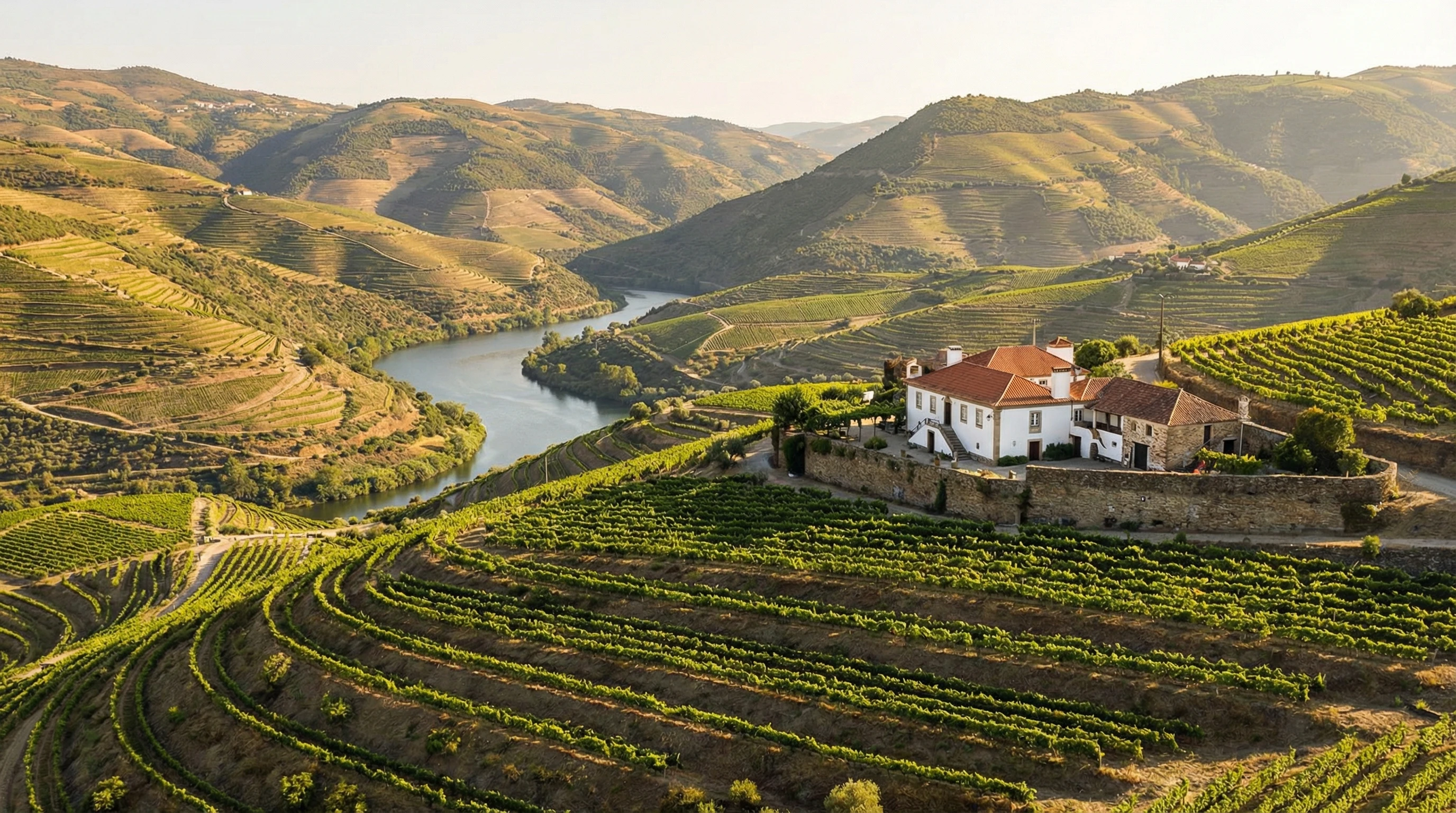
The Douro Valley is probably the most famous of all wine regions in Portugal. It’s a UNESCO World Heritage site, covered in dramatic terraced vineyards. For many, Douro Valley wine means two things: powerful reds and classic Port wine Portugal. The reds are usually blends, with dark fruit flavors and a smooth finish. Douro’s steep riverbanks and hot climate force the vines to work hard, and you can really pick up on that intensity in the glass. If wine travel is your thing, this valley is filled with eye-catching vistas and historic estates to check out.
Alentejo
Alentejo is popular for easygoing reds that are juicy, fullbodied, and just plain enjoyable with food or on their own. Imagine sunbaked hills, old cork trees, and peaceful towns. Alentejo wine is fruitforward and smooth, making it a goto for beginners. If you want to try crowdpleasing Portuguese red wine, a bottle from Alentejo is hard to beat. Don’t ignore the whites from this region either: they bring crisp, fresh flavors ideal for warm weather sipping.
Vinho Verde
Up in the lush northwest, you’ll find Vinho Verde wine. This region is all about freshness. These Portuguese white wines are crisp, citrusy, and often have a light spritz. Super refreshing, especially in the summer. Vinho Verde is also one of the best Portuguese wines for beginners because it’s light, has lower alcohol, and goes down easy. There are reds and roses made here too, but the whites are definitely the star. It’s one of those wines you can pour at brunch or with a picnic by the beach.
Dão
If you’re into wines with a bit more structure, Dão is worth a look. It sits in the hills of central Portugal and makes both reds and whites. The reds, usually blends based around Touriga Nacional, are silky with red berry flavors and a little spice. Dão’s whites are crisp and mineral—great for pairing with seafood or grilled chicken. For me, knowing that Dão wines are often grown in higher ground with granite soils adds a cool twist to what’s in the bottle. Dão wines can also age well, so don’t be afraid to tuck away a bottle for a special occasion.
Madeira
Island regions sometimes get left out, but Madeira wine is famous for a reason. It’s a fortified wine (a bit like Port), but with smoky, nutty flavors and a little tang. People love it with dessert or cheese, though I’ve also sipped it as an aperitif. Madeira wine can be sweet or dry, and it lasts forever once opened, which makes it a handy staple for entertaining. The wine’s unique production method, involving heating, is what gives Madeira its nextlevel cool taste and unforgettable longevity.
Most Popular Portuguese Wines
The country’s wine shelves are packed with choices, but a few names stand out again and again. Here are some top picks to try if you’re just getting into Portuguese wines—and a little about how they taste.
- Port: Sweet, rich, and often enjoyed after dinner or with dessert. It comes from the Douro Valley and is made by adding brandy partway through fermentation. There are lots of types. Ruby is bold and fruity, while tawny is mellow with nutty notes. Port wine Portugal is a classic go-to for celebrations and colder nights.
- Vinho Verde: Light, bright, and often just a tiny bit fizzy. Usually enjoyed young and cold, especially on hot days. It’s great for anyone who likes Sauvignon Blanc or Pinot Grigio but wants something new to sip.
- Alentejo Reds: These are easy to sip, foodfriendly, and usually have flavors of plum, cherry, and sometimes a little chocolate or spice. Most are blends, so each bottle has its own spin. These wines work equally well for weekday pasta dinners or relaxing evenings outside.
- Dão Blends: Structured and often built for aging, but they’re still soft and drinkable now. Great with red meats or when you want something a bit fancier on the table. These wines often show complex layers, from berries to gentle herbs.
Wine & Food Pairings
Matching your wine to the right plate really matters in Portugal. Meals are long, social, and wine is found on every table. Here are some classic combos that deliver every time:
- Seafood + Vinho Verde: Portugal is famous for grilled sardines, octopus salad, and all sorts of light, salty seafood. Vinho Verde food pairing shines here because the zippy acidity and light bubbles slice through the salt, making every bite taste fresher.
- Grilled Meat + Alentejo Red: Whether at a backyard barbecue or tucking into a plate of roasted pork, a bottle of Alentejo wine fits right in. The fruitiness and gentle tannins complement grilled or roasted flavors perfectly.
- Desserts + Port or Madeira: For dessert, it’s tough to beat something sweet and rich. Port with blue cheese, chocolate cake, or just a handful of almonds is fantastic. Madeira works equally well, especially with nutty pastries or caramel flavors. If you’ve ever wondered about Port wine vs Madeira wine, both are dessert superstars—Madeira offers more tang, while Port leans toward richness.
- Cheeses + Dão Red: Hard Portuguese cheeses like Queijo da Serra pair brilliantly with Dão reds. The structure and spice of the wine boost the flavors of the cheese, making each bite and sip even better.
Don’t hesitate to mix in some local petiscos (Portuguese tapas): chorizo, salt cod fritters, or even a pastry from the bakery. Portugal’s wines can match up with just about anything you’ll find at the table, so feel free to experiment.
Budget Wine Tips
One of the best things about Portuguese wines is that you don’t need to splurge to get quality. There’s great stuff at big supermarkets as well as smaller wine shops. Supermarkets in Portugal stock local labels from €3 to €10 for a solid bottle—almost too cheap! If you want a bit more guidance or to taste something unique, specialty wine shops are worth checking out and often have helpful staff who can speak English.
A good rule of thumb: most solid Portuguese wines for everyday sipping are in the €5–€12 range. Reserve or vintage bottles go a bit higher, but you still get great value. Looking for affordable Portuguese wines back home? Keep your eyes peeled for lesser known grape names and blends. That’s where the deals are, rather than sticking with Port or the biggest brands.
Don’t overlook boxed wines or small producer labels. In Portugal, these can offer unexpected quality for even less. If you visit a winery, ask about “garrafeira” bottles—these indicate special reserves or older vintages, and sometimes you can grab one at bargain prices directly from the source.
Where To Drink Wine In Portugal
Portugal’s wine scene is welcoming no matter where you are. My favorite spots for a glass or two?
- Wine Bars: Whether in Lisbon, Porto, or a quiet country town, wine bars are everywhere. They’re a great place to try flights of the best Portuguese wines, grab some snacks, and maybe catch some live music.
- Vineyards: Plenty of family wineries welcome visitors for tours and tastings, especially in Douro Valley, Alentejo, and Dão. It’s a fun way to see the landscape and meet the folks behind the wine.
- Food Markets: Spots like Mercado da Ribeira in Lisbon or Mercado do Bolhão in Porto are perfect for sipping local wines alongside fresh food. Nothing beats a glass of Vinho Verde with seafood straight off the grill.
- Riverside Cafés: In cities like Porto or Peso da Régua, sitting by the river with a carafe of Douro red or white can make for a laid-back afternoon, people-watching and sampling little plates of local fare.
Cruise along the Douro by boat and you’ll find plenty of places offering wine tastings, sometimes right on the water. Portugal loves to make wine part of daily life, and it shows in the relaxed, friendly vibe everywhere you go.
Frequently Asked Questions About Portuguese Wine
What is the most famous Portuguese wine?
Port is the most famous Portuguese wine, especially worldwide. Other well-known styles include Douro reds and fresh Vinho Verde wines.
Is Portuguese wine expensive?
No, Portuguese wine is known for excellent value. High-quality bottles are often much cheaper than comparable French or Italian wines.
What wine pairs best with Portuguese food?
Vinho Verde pairs well with seafood, Alentejo reds with grilled meats, Dão wines with cheese, and Port or Madeira with desserts.
What is Vinho Verde wine?
Vinho Verde is a fresh, young wine from northern Portugal, usually white, lightly fizzy, and low in alcohol—perfect for warm weather.
Are Portuguese wines good for aging?
Yes. Many wines from Douro and Dão can age for years, while Port and Madeira wines can last decades.
Should I visit a winery in Portugal?
Absolutely! Even if you just have an afternoon free, stopping at a local winery is a great way to see the countryside and taste regional specialties. Many offer tours in English, behind the scenes looks, and take-home deals on wine not found in regular stores.
Wrapping up, Portuguese wine offers a world of discovery at prices that make exploring fun and accessible. Whether you’re a newbie or a seasoned collector, there’s always a new bottle waiting to surprise you. Time to pour a glass and get into your next wine adventure!