
Europe has a reputation for world-class cuisine, and even on a tight budget, there’s a ton for food lovers to stumble upon. As someone who’s crunched on baguettes in Paris parks, savored street sausage in Krakow, and devoured pasta on the go in Naples, I’m excited to pass along some smart tactics to help you eat well without burning through your cash. You don’t need to spend big to get a true sense of Europe’s food culture. This super detailed guide breaks down practical tips, budget know-how, and favorite food spots that pack in amazing taste without the high price tag.
How Much Should I Budget for Food in Europe?
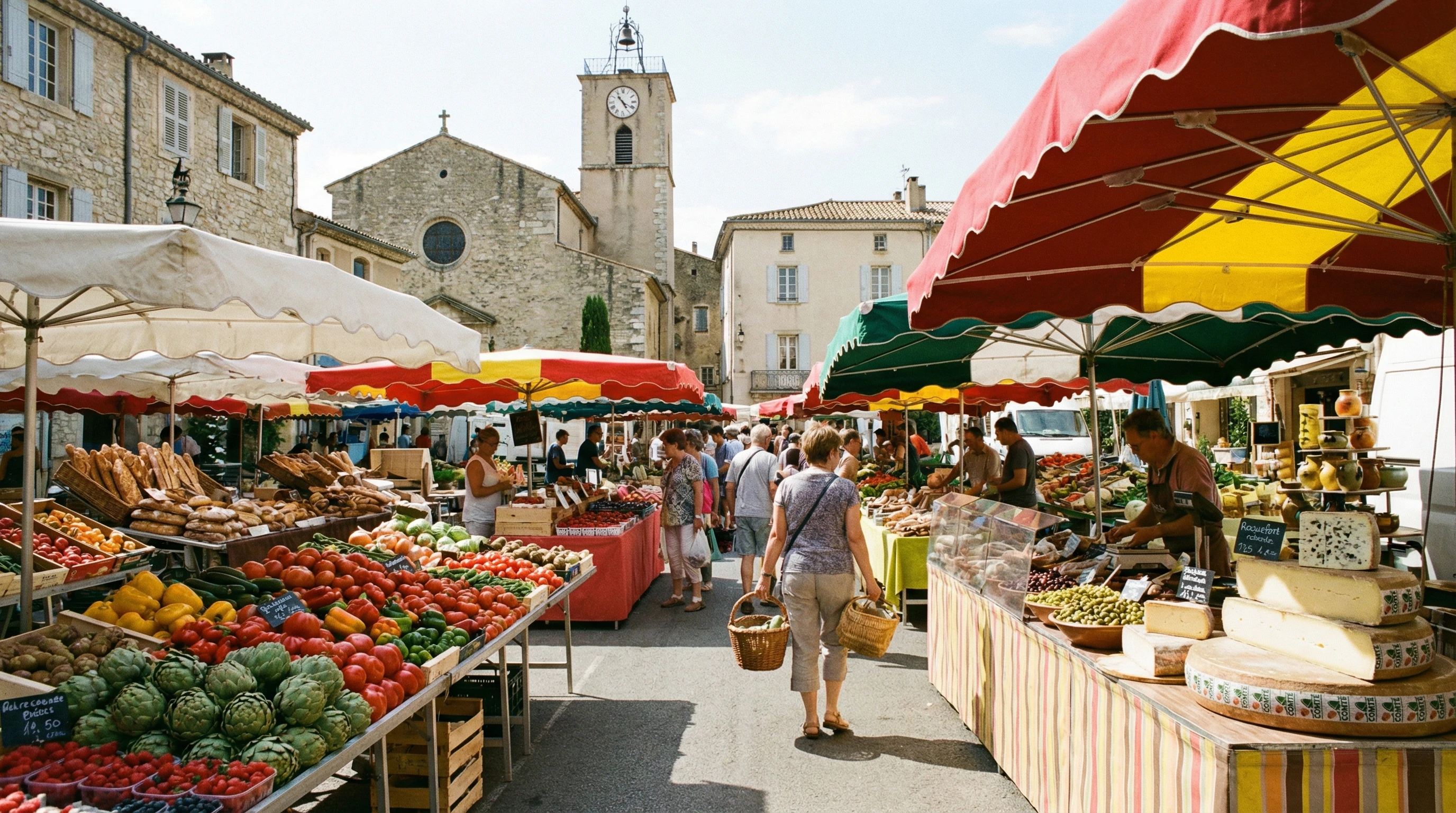
Food costs in Europe can sneak up on you, especially in tourist hotspots. On average, you can eat well on about $15–$25 a day in the more affordable countries, and closer to $30–$45 daily in pricier Western cities. Street food, bakeries, and chill local spots (like Polish milk bars or Spanish tapas bars) make it easy to keep an eye on your spending. Food markets let you put together your own meal, are usually loaded with local specialties, and give you more for your money—and they’re tons of fun to explore.
Here’s a loose meal breakdown I use during trips:
- Breakfast: $2–$5 from bakeries or grocery shops (pastries, fruit, yogurt)
- Lunch: $4–$10 for street food, small café meals, or premade options
- Dinner: $7–$20, usually at a sit-down spot or neighborhood joint
You don’t have to drop a ton of cash to try something new. Local stalls and markets often serve up the best and cheapest eats. Being open and flexible makes it easier and tastier, too.
Is $2000 Enough for 2 Weeks in Europe?
With a bit of planning, $2000 for two weeks in Europe will cover budget flights, basic stays (think hostels or budget hotels), and a solid food fund for snacks and meals. For solo travelers, I usually list out the budget like this:
- Stays: $40–$80 a night, depending on where you are (cheaper in the Balkans, more in places like France or Scandinavia)
- Food: $15–$35 per day if you stick with local fare
- Local transport + extras: $10–$20 per day
Mixing more affordable places (like Poland or Hungary) with pricier cities keeps things balanced. Limit the length of big city visits and spend more time in lesser-known foodie towns or countryside areas for extra savings—and more memorable eats.
Cheapest Countries to Eat Out in Europe
You can stretch your cash further in certain countries. My top picks for cheap, mouthwatering meals:
- Poland: Pierogi, filling soups, and bakery treats starting under $1. Try classic milk bars, where generous plates are under $4.
- Hungary: Goulash in cozy eateries for $2–$5. Don’t miss fried bread snacks like langos.
- Romania: Try ciorba (sour soup) and grilled meats at bargain prices. Markets are packed with pastries and cheeses.
- Bulgaria: Shopska salad, kebapche sticks, and banitsa (cheese pastry) are all low-price must-tries.
- Portugal: Cafés serve set lunches, and famous egg tarts (pasteis de nata) are a steal.
In spendy spots like Switzerland or Norway, stick to self-catering or limit your visit length to keep food costs from ballooning.
Food Prices in Europe by Country
Food prices run the gamut across Europe. I always check a quick price chart for the basics:
| Country | Simple Meal | Street Food | Coffee |
|---|---|---|---|
| Spain | $7–$15 | $3–$5 (tapas) | $1.50–$3 |
| Germany | $10–$18 | $3–$6 (sausage, doners) | $2–$3 |
| Czechia | $6–$12 | $2–$4 (trdelnik, sausage) | $1–$2 |
| Italy | $10–$20 | $2–$5 (pizza al taglio, pastries) | $1–$2.50 |
| France | $12–$25 | $2–$7 (crepes, baguette sandwiches) | $2–$4 |
Prices tick up in city centers; go for local neighborhoods, university zones, or markets to get real value for your money.
Cheap Food and Drink Abroad
Eating cheaply yet well abroad comes down to making smart choices:
- Buy snacks and picnic fixings at lively street markets (try local cheeses, fruit, or olives)
- Stay somewhere you can cook, or book an apartment with a kitchen
- Hit up bakeries for breakfast or snack attacks
- Look for lunch specials; a ton of restaurants feature budget-friendly midday menus
- Go for local fastfood or takeout joints (doner kebab, walk-up counters, etc.)
If you want to keep drink costs down, sip local beers or wines—imported drinks cost way more. Picnics beside rivers, in parks, or along city canals can feel next-level cool and leave plenty in your pocket for dessert or extra treats.
How to Eat Cheap and Healthy While Traveling
Budget eats can be tasty and healthy at the same time. I stick to these energy-saving, wallet-friendly moves:
- Grab fruit, yogurt, or nuts from markets for a cheap snack
- Order the daily special—it’s almost always the best value and often the freshest
- Look for produce-packed dishes and vegetarian plates; they’re often the cheapest
- Shop at farmers’ markets for salads, fresh bread, and local cheese
- Whip up your own sandwiches for train rides or all-day excursions
Stick with what’s in season and locally made to eat better, support small businesses, and keep costs low.
How To Backpack Through Europe on a Budget (For Foodies)
I find that having a rough daily food plan keeps my trip on track and prevents overspending out of hunger. My usual backpacker foodie strategy goes like this:
- Bite into a quick breakfast from a grocery store or bakery.
- Grab easy-to-carry lunch at markets or from street vendors (think, stuffed pastries, empanadas, or falafel wraps).
- Eat “local style” at low-key, family-owned spots with set menus for dinner.
- Share dishes with fellow travelers so you can try more food for less money.
- Keep tabs on daily food spending to avoid going over budget.
Backpacking isn’t just about bargains—it’s also about sampling unique local bites you’ll never get back home, whether that’s foraged mushrooms in Slovenia or meze in Greece. Travel with reusable utensils and a collapsible food container so you’re ready for whatever market snacks or bakery favorites come your way.
Top 10 Cheapest Countries to Visit in Europe (with Great Food)
If you want a real food adventure without splurging, put these countries high on your list:
- Poland
- Hungary
- Bulgaria
- Romania
- Serbia
- Ukraine
- Czechia
- Albania
- Portugal
- Slovakia
They all have regional dishes you can’t skip, from chimney cake in Hungary to fresh seafood in Albania or spicy sausage in Serbia. Part of the adventure is stumbling upon those hidden gems that only the locals know about.
Top 10 Cheapest Foods to Eat in Europe
- Bakery breads and pastries (all over Europe)
- Pierogi or dumplings (Central and Eastern Europe)
- Pizza by the slice (Italy, Greece, and beyond)
- Street kebab (Turkey, Germany, Balkans)
- Falafel and shawarma (Middle Eastern influence, everywhere)
- Langos (crunchy fried bread in Hungary)
- Burek (stuffed pastry from the Balkans)
- Market cheese and olives
- Tapas or pintxos (Spain)
- Croissants or panini (France and Italy)
You’ll find these all over, filling and authentic—plus, they let you enjoy real local flavors without the hefty cost.
Frequently Asked Questions
How much should I budget for food when traveling in Europe?
Most people eat well for $20–$40 a day with street eats and casual dining. Cooking occasionally and hitting up local restaurants makes that budget go even further.
Is $100 a day enough in Europe?
$100 daily covers food, budget sleeping arrangements, and a bit of sightseeing or fun in most countries. In places like Poland or Portugal, that’s plenty. If you’re in pricier Western Europe, use hostels, quick meals, or cook for yourself to hit that target.
How do I find cheap but authentic food abroad?
Follow locals, avoid tourist-packed main drags, and hunt for restaurants in university areas or bustling markets. Ask hostel staff or search food blogs and dining apps—EatWith, for example—to spot excellent food deals and even home-cooked meals for way less money.
Are there ways to save money on drinks?
Get the local house wine or beer—it’s way cheaper. Pick up a bottle at a supermarket for a sunset picnic by the river. In some places, simply ask for tap water with your meal for free.
Final Tips for Budget Food Travel in Europe
Exploring Europe’s food scene as a foodie on a budget is all about being creative and flexible. Don’t be afraid to mix markets and fast bites with the occasional sit-down treat. Seek out the local flavor at bakers, open-air markets, or tucked-away neighborhood joints, and you’ll eat better for less. Track down new dishes and get off the beaten tourist track to level up your adventure, even when spending is tight. Happy travels and tasty bites await!
Transparency note: This article may contain affiliate links. If you make a purchase through these links, we may earn a small commission at no extra cost to you.