
Exploring the outdoors doesn’t have to burn a hole in your wallet. Hiking delivers some of the best adventures you can get for the money, but the cost of gear sometimes stops newcomers before they even hit the trails. I’ve found plenty of ways to score quality hiking equipment without overspending. In this guide, I’ll share how you can do it, too. Whether you’re new to hiking or just want to trim some expenses, smart shopping and a few personal hacks help keep things affordable and fun—so let’s get into it.
Why Go Budget Friendly with Hiking Gear?
Quality hiking gear always gets a lot of attention, but buying top shelf products isn’t realistic for everyone. You don’t need to drain your savings to have great outdoor experiences. Budget friendly hiking gear sometimes even outlasts name brand items because it’s simpler and sometimes easier to repair. Plus, cutting back on costs helps more people get outside and try new things, which is what really matters.
Stores and brands are definitely aware of the rising interest in hiking. In fact, more budget lines and outlet programs have popped up in the last five years, making it easier for everyday hikers to get outfitted for less. While the gear industry is booming, with global sales growing yearly, there’s also more info available on what’s truly worth buying, especially for beginners aiming to get started on a shoestring.
Affordable gear means you can put money toward transportation, park fees, or extend your adventures rather than spending it all upfront. This welcoming approach means folks from all backgrounds now stumble upon hiking while knowing they won’t overspend to take those first steps.
Getting Set Up: Basic Hiking Gear for Beginners
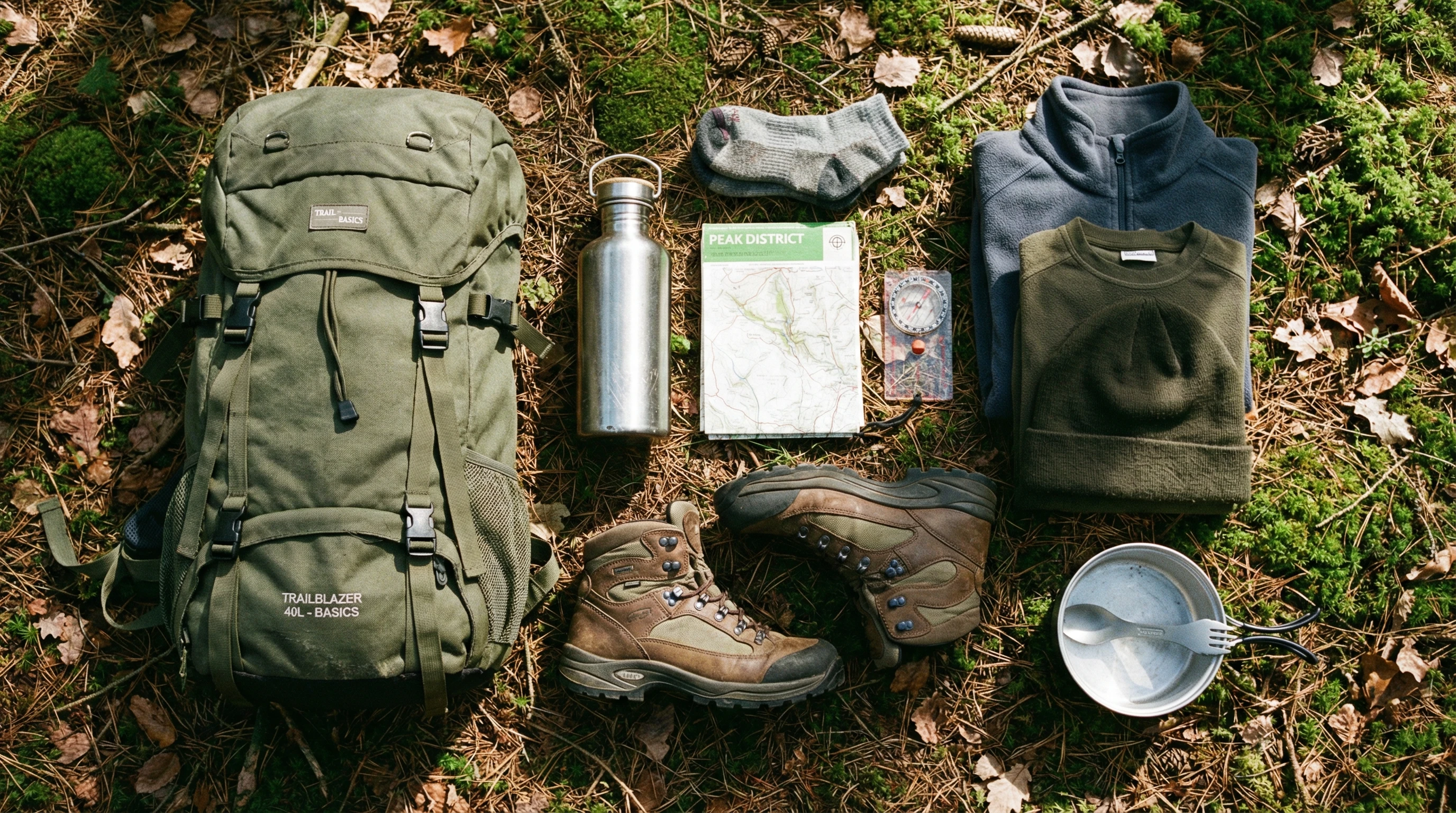
If you’re new to hiking, it’s pretty tempting to splurge on those flashy jackets or the lightest titanium cooksets. The truth is, you only need a handful of items to get started; most of which you can find at very reasonable prices if you know where to look. Here’s a breakdown of core equipment, along with my experience on where to save and when to spend a little extra:
- Backpack: Go for something simple around 20–30L for day hikes. Budget brands like REI Coop and Decathlon make sturdy packs for less than $50.
- Footwear: Reliable hiking shoes protect your feet. Merrell, Hi Tec, and Columbia have solid budget friendly models that often dip below $70, especially if you watch sales.
- Clothing: Skip cotton; choose synthetic blends, which you’ll find cheap from Quechua (Decathlon), UNIQLO, and local outlets. Layering is more important than brand names.
- Navigation: A basic map and compass combo costs just a few bucks. While phone GPS apps seem handy, batteries aren’t always reliable in the wild.
- Water Bottle: Nalgene or even a dollar store bottle gets the job done. Staying hydrated never needs to be expensive.
- Weather Protection: A budget poncho or inexpensive rain jacket from brands like Frog Toggs keeps you dry without costing much.
Sticking to these basics gets you on the trail quickly and safely. There’s no need to worry about gear envy; gear that gets you outside is the best gear.
Shopping Smart: How to Score Affordable Hiking Gear
Finding quality gear at budget prices means being a little creative and patient. I’ve picked up some great equipment secondhand and found strategies that really save money:
- Sales Cycles: Look for end of season clearances at major outdoor retailers. Last year’s models hardly ever differ from new releases, but they’re usually much cheaper.
- Outlet Stores: Decathlon, Backcountry, REI Outlet, and even Walmart’s camping section are goldmines for decent gear.
- Online Marketplaces: Facebook Marketplace, GearTrade, and local buy and sell apps are awesome for finding used packs, shoes, and jackets. Many lightly used items surface at a fraction of retail prices.
- Borrow or Swap: Ask friends or join local hiking clubs for gear swaps or loaner programs. Trying equipment before buying helps you decide what’s worth investing in later.
- DIY Fixes: Simple repairs like patching a hole with duct tape or waterproofing shoes with wax extend the life of cheap gear.
Thorough research helps buyers make informed decisions, so check trustworthy review sites such as OutdoorGearLab or Switchback Travel before buying. Also, many of these platforms feature reviews from hikers of all experience levels, making it easier to track down what fits your needs and budget.
The “Big 3” Items of Budget Backpacking
Backpackers talk a lot about the “Big 3”—your backpack, shelter (tent or similar), and sleeping system (sleeping bag and pad). These are usually the most expensive bits. Still, there are plenty of decent budget choices worth checking out:
- Backpack: Tripol Colonel and Teton Sports offer well reviewed backpacks often found under $100. They’re heavier than ultralight models but get the job done.
- Shelter: Budget dome tents, like those from Coleman or Ozark Trail, are reliable if slightly heavier. For solo hikers, check out Naturehike’s single person tents, which are light and wallet friendly.
- Sleeping System: A decent sleeping bag and foam pad combo from brands like Klymit or Outdoor Vitals can be had for under $70 each. Synthetic fill is cheaper, dries faster, and lasts just as well for many situations.
Prioritize comfort and durability over low weight if you’re just starting out. Ultralight gear trades comfort and toughness for weight savings, which brings a few drawbacks, like higher prices and sometimes less durability for new hikers. If you’re new to overnight backpacking, this approach saves you money while helping you get a feel for your personal preferences over time.
Are Ultralight Options Worth It?
Going ultralight sounds awesome until you see the price tag. Super light gear can be expensive and usually shaves off weight by using delicate materials. That means it might not last as long or be as forgiving to new hikers, especially if you’re a bit rough on your pack or tent.
The main drawbacks I’ve seen include:
- Less rugged zippers, poles, or fabrics
- Fewer features (tiny pockets, no padding on straps)
- Much higher price per ounce saved
For most hikers on a budget, midrange gear is a better bet for comfort and lifespan. Upgrading only when you know exactly what you want makes the most sense. Lightweight gear shines for big mileage, but for day hikes and normal overnight trips, it’s smart to prioritize durability and comfort while keeping your wallet happy.
Best Cheap Hiking Shoes That Don’t Fall Apart Fast
Great shoes can be found without shelling out for the top brands. I’ve hiked hundreds of miles in budget shoes and only swapped when I wore through soles. The key is to focus on sturdiness, support, and traction—don’t worry about having the lightest or priciest shoe out there.
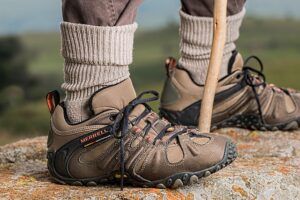
- Merrell Moab: Solid grip, good cushioning, and often on sale. Great for varied trail conditions.
- Hi Tec Trail OX: Durable for the cost and super comfy for wide feet. Sometimes under $50.
- Decathlon Quechua: Surprisingly tough for day hikes and under $40 in most stores.
Stick to shoes with thick soles and breathable uppers. If you can, try them on in store late in the day (when your feet have swelled) to make sure they fit right. Investing in good socks also makes your shoes last longer and helps keep blisters at bay.
Where to Find the Best Quality Outdoor Clothing on a Shoestring
My favorite trick is checking outlet racks for off season deals. Some of the best quality comes from brands with respected reputations that sell past season or closeout items at deep discounts. Here’s where I usually get the best bang for my buck:
- REI Coop: Has outlet stores and “Garage Sales” with markdown returns in surprisingly good shape.
- Columbia Sportswear and Patagonia Worn Wear: Stay on the lookout for clearance or used sales from trusted places.
- Decathlon Quechua and Forclaz: Both lines provide technical layers, pants, and outerwear made for real hiking at very affordable prices.
- UNIQLO: Their Airism and Heattech lines are lifesavers for budget base layers.
Mix and match synthetic tees, fleece layers, and affordable windbreakers for adaptable outfits. Cheap wool socks (Costco, for example) last longer and keep feet drier compared to basic cotton. Also, hat and glove deals pop up in clearance bins after winter—snag a couple pairs for your hiking kit.
Handy Hiking Equipment List for Beginners
- Sturdy backpack
- Supportive hiking shoes or boots
- Weather appropriate layers (no cotton shirts)
- Light rain shell
- Hat and sunglasses
- Two 1 liter water bottles
- Map, compass (and extra phone battery if you use GPS apps)
- Trail snacks (nuts, bars, fruit)
- Mini first aid kit
- Sunscreen and insect repellent
- Headlamp or flashlight
This list covers most day hikes, and every item can be found without spending big. As you gain experience, you’ll figure out which extras make sense for your go to trails. A whistle, pack cover, and multitool are handy add-ons but not essential for beginners.
Best Budget Hiking Gear Brands Worth Checking Out
- Quechua (Decathlon): Fantastic budget tents, packs, and clothing.
- REI Coop: Reliable own brand gear with excellent return policy.
- ALPS Mountaineering: Great value on packs and sleeping pads.
- Klymit: Inexpensive, packable sleeping pads with good support.
- Naturehike: Affordable tents and lightweight accessories popular with budget backpackers on Amazon.
Frequently Asked Questions
Question: What’s the best way to find cheap hiking shoes that still last?
Answer: Look for models with thick soles and toe protection, prioritizing brands like Merrell, Columbia, or even Decathlon. Shopping sales and trying them on for comfort makes a big difference in fit and durability.
Consider using online reviews and checking for return policies, in case they don’t feel right after a few hikes.
Question: Who makes the best outdoor clothing on a budget?
Answer: Decathlon’s Quechua and Forclaz lines compete closely with much pricier options. For base layers and simple tees, UNIQLO’s technical fabrics breathe well for very little cash. Columbia and REI Coop outlet deals are also reliable choices for sturdy and inexpensive clothing.
Question: Should I bother with ultralight gear if I’m new to hiking?
Answer: Ultralight gear can help with longer treks, but it’s pricey and not always as sturdy. New hikers are typically better off with slightly heavier, cheaper, and more robust gear until they figure out what matters most for their style. Focus on comfort and safety until you get a feel for your personal preferences.
Question: What’s the “Big 3” in backpacking, and can I get budget friendly versions?
Answer: The Big 3 are your backpack, shelter, and sleep system. Brands like ALPS Mountaineering and Teton Sports make reliable and affordable versions of all three. Naturehike tents and Klymit sleeping pads are also favorite options for those looking to save without giving up quality.
Extra Tips for Saving on Hiking Gear
Double up gear when you can. A rain jacket works as a windbreaker, and a simple foam sleeping pad can serve as a sit pad on lunch breaks. Always check if a used version of what you want is available—the savings are often huge. Finally, take care of your gear. A little cleaning and some DIY repairs really stretch their lifespan, making every dollar go further.
Watch for seasonal clearance events at outdoor retailers, join local hiking communities for swap meets, and sign up for email lists to hear about flash sales. Even cheap gear can last a long time with proper care—store items dry, patch them up, and make smart replacements only when you really need to.
Getting outside, seeing new places, and feeling good on the trail really don’t require fancy stuff. Some of my best hikes happened with gear I snagged at a garage sale or borrowed from a friend. Saving money on gear puts more gas in the tank for new adventures, both literally and figuratively. Happy hiking!
**Here’s a Little Transparency: Our website contains affiliate links. This means if you click and make a purchase, we may receive a small commission. Don’t worry, there’s no extra cost to you. It’s a simple way can support our mission to bring you quality content.**