
Applying for a European visa includes some paperwork, but knowing which documents you’ll need can make the process much easier. If you’re feeling overwhelmed by different requirements, you’re not alone. Fortunately, most embassies or consulates want to see a few basic documents. This guide lays out what you need, why it matters, and some helpful ways to avoid mistakes while putting your application together.
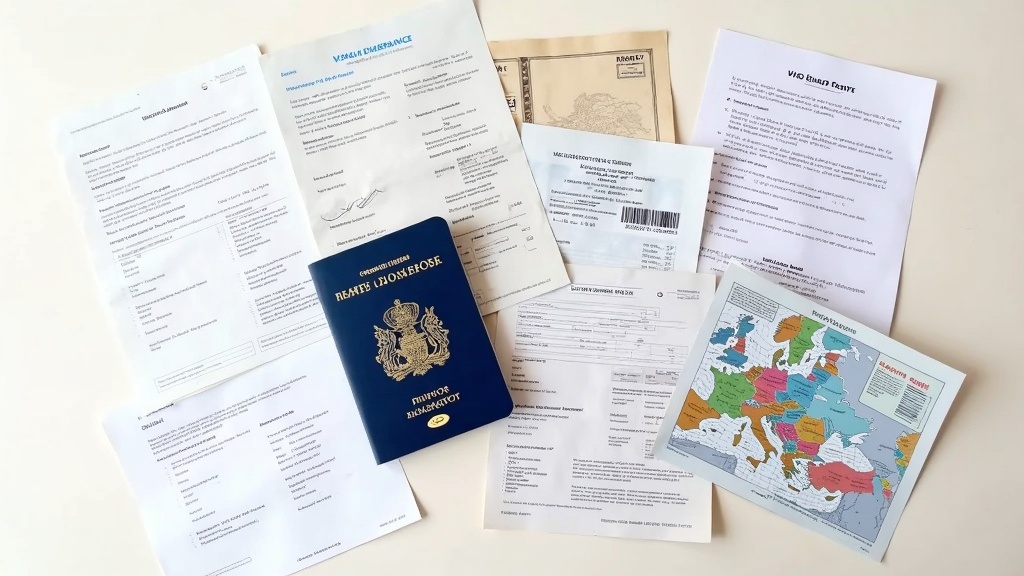
Core Documents You Always Need for a European Visa
Most European countries belong to the Schengen Zone, so you’ll find the requirements are very similar. Even if you’re heading to a non-Schengen country, like the UK or Ireland, you’ll notice many of the basics remain the same.
The key documents to gather include:
- Valid Passport: Your passport must be good for at least three months after you leave Europe and have at least two blank pages.
- Visa Application Form: Always complete this official form honestly and without skipping any sections.
- Passport Photos: Usually, you’ll need one or two recent biometric-style photos.
- Travel Itinerary: At a minimum, have your flight reservation and a general plan; hotel bookings or written plans are often required.
- Proof of Accommodation: This could be hotel confirmations, a letter from a host, or an Airbnb booking.
- Travel Insurance: Insurance coverage has to be at least €30,000 for medical emergencies across the Schengen area (or equivalent for other countries).
- Proof of Financial Means: Have recent bank statements or similar records to demonstrate you can support yourself.
Usually, these are all you need. However, embassies sometimes ask for more documents depending on where you’re from or the specifics of your trip.
Background: Why These Documents Matter
European authorities need to make sure visitors are genuine and won’t overstay or struggle financially. Each document supports these checks.
The Schengen visa system, set up in 1995, made it easier to cross borders among 27 countries; this means one visa lets you roam throughout most of continental Europe. Over time, requirements changed to balance security and traveler convenience.
If you’re visiting the UK or Ireland (outside the Schengen Zone), the process has its own rules, but the type of documents needed stay mostly alike.
Getting Started: Step-by-Step Document Preparation
Getting your papers ready isn’t too bad when you follow a checklist. Here’s how to get ready for your European visa application:
- Check the Embassy’s Requirements: Most embassies want similar items, but you might run into some unique forms or requests.
- Gather and Scan All Papers: Have paper copies and digital scans in a folder. Some officials will need both the originals and the copies.
- Double-Check Your Passport Validity: This catches people off guard. Check well in advance that your passport covers the required validity period.
- Get Correct Photo Sizes: Most visas need a 35x45mm photo, but it’s wise to confirm any special requirements.
- Print Confirmations: Print digital reservations—most embassies require printed proof, even for flights or hotels booked online.
- Bank Statements: These usually should be from the past three months, in your name, and showing enough funds for your stay.
Go through everything carefully before submitting. Even simple mistakes like a name mismatch or expired documents can cause frustrating delays.
Extra Documents You Might Need
Depending on your situation or the purpose for visiting Europe, you may need some extra paperwork. Here are some commonly requested additions:
- Invitation Letter: Needed if you’re visiting friends, family, or a business. The letter should include their address and ID details.
- Employment Verification: A letter from your employer or proof of selfemployment assures the embassy you’ll return after your trip.
- Proof of Enrollment: Students should provide a letter from their school or university.
- Parental Authorization: For kids under 18 traveling solo or with one parent, notarized consent from parents or guardians is often requested.
- Previous Visas: Copies of past visas and entry/exit stamps can help showcase your travel history.
Common Questions About Visa Paperwork
If you’re just starting, some confusion is totally normal. Embassies change requirements from time to time, so here are a few answers to questions that come up most frequently:
Question: How recent do my documents have to be?
Answer: Most embassies want everything to be up-to-date; this means bank records from the past three months, recently booked flights, and freshly taken photos.
Question: Can I submit only digital (PDF) paperwork?
Answer: In some cases, you submit PDFs for online forms, but most embassies still need the originals at your interview. Have both versions ready.
Question: Must my travel insurance provider be from Europe?
Answer: Not necessarily. International insurance works as long as it meets the coverage rules and clearly lists all the Schengen countries.
Question: My documents are in another language—what then?
Answer: Documents not in English or the local language often need a certified translation. Some consulates might also want notarized copies.
Practical Tips for Avoiding Mistakes
From chatting with other travelers and my own experience, these tips can save you headaches:
- Keep a Document Folder: Staying organized is key. Make a checklist and tick off each item as you sort it.
- Verify Expiry Dates Early: Check all expiration dates in advance to allow time for renewals. Embassies reject soon-to-expire passports or outdated insurance.
- Don’t Purchase Nonrefundable Flights Yet: For your visa application, only a reservation is needed. Several booking sites offer reservation paperwork for a small fee without commitment.
- Ensure Consistent Details: All your names, dates, and addresses should match across every document to keep things smooth.
- Stay Safe from Scams: Only book with trusted providers. Avoid anybody promising “guaranteed” approval or selling fake documents.
Special Types of European Visa Applications
The Schengen Tourist Visa is the most common, but there are others including work, study, family reunion, and business visas. Every visa has a few extra paperwork demands. For example, a work visa requires a formal job offer, and student visas need registration papers, transcripts, and sometimes language test scores.
The steps are very similar, but double-check official resources for full, up-to-date requirements for your visa type. The Schengen Visa Info site is helpful for Schengen countries, while the UK’s official site covers British visa details. If your destination is in Ireland or elsewhere, check those government websites for the right checklist.
When to Start Your Application and Timing Tips
European visas might be processed in just 2 or 3 weeks, but in busy times, it can take up to 6 weeks. To play it safe, kick things off at least two to three months before your planned trip. That way, even if the embassy wants additional documents or you run into delays, you’ll have plenty of time.
Some embassies even allow applications up to six months ahead, perfect for travelers who love planning far in advance or have a complicated itinerary to organize.
Bringing It All Together: What Documents Actually Do
Visa documents are more than just forms. They show you’re coming for the right reasons, plan to respect visa rules, and have enough support for your stay. The more organized and thorough your paperwork, the smoother your experience. With a thoughtful approach and a good checklist, you can breeze through the process and focus on enjoying Europe once you arrive.
Hope you have a problemfree visa process and amazing adventures in Europe ahead!
Transparency note: This article may contain affiliate links. If you make a purchase through these links, we may earn a small commission at no extra cost to you.