
Italian aperitivo isn’t just a drink before dinner; it’s a ritual that really gets to the heart of Italy’s social life. If you’re picturing happy hour with big cocktails, loud music, and cheap food, that’s not quite how it works. Aperitivo is a gentle pause between work and dinner, where drinks come with small snacks and, more importantly, good conversation. This daily habit happens across Italy, but there’s a lot more to it than most visitors realize.
What Is Aperitivo? (The Real Meaning)
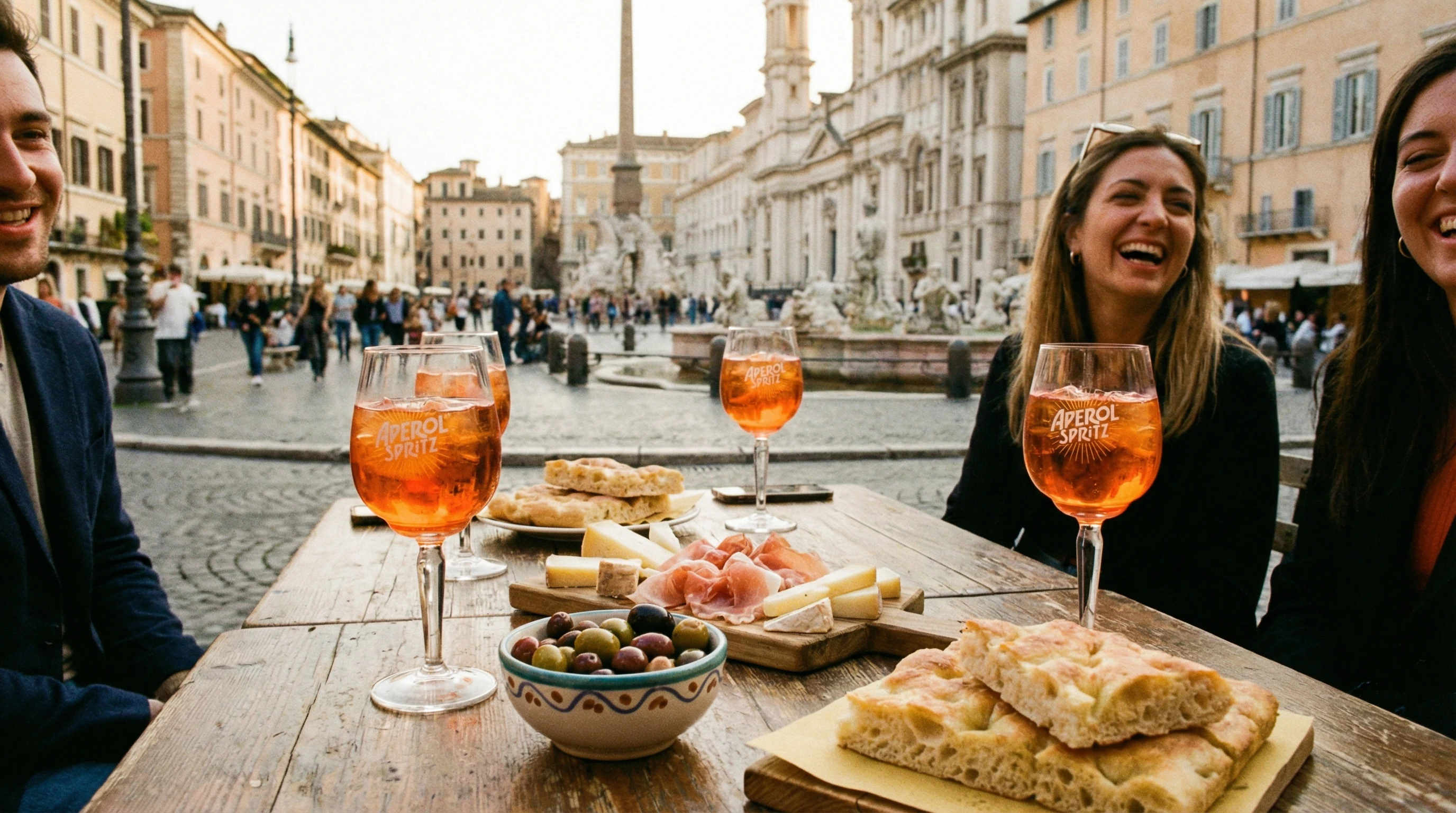
Aperitivo is a social tradition that signals the end of a long day and the beginning of relaxation. I’d describe it as a bridge between finishing up at work and easing into the evening. Around this time, you’ll see locals gathering at their favorite bar, holding glasses of bright orange or red drinks with bowls of olives, potato chips, or tiny sandwiches on the side.
The idea isn’t to fill up. The focus is on catching up with friends or family—having a small drink, snacking, and putting your phone away so you can actually enjoy each other’s company. The word “aperitivo” comes from the Latin for “to open,” hinting that it “opens” the appetite in a gentle, enjoyable way.
When Italians Have Aperitivo
Aperitivo time typically runs between 6pm and 8pm. Timing here makes a difference. You won’t see Italians settling down for an aperitivo at 10pm, and you really won’t see them using it as a dinner substitute, unless it’s a special kind called apericena—which I’ll talk about soon.
Each region in Italy has its own twist, but these early evening hours are pretty standard everywhere. It fits neatly into the Italian meal routine: a light breakfast, a big lunch, a small midafternoon snack, then aperitivo, and finally dinner. In some places like Milan or Turin, bars are packed at aperitivo time. In smaller towns, things can be a bit more relaxed, but the ritual is always the same. To understand where aperitivo fits in the daily rhythm, see how Italians eat throughout the day in Italian food culture.
Typical Italian daily meal schedule:
• Breakfast — quick coffee and pastry
• Lunch — main meal of the day
• Aperitivo — social pre-dinner drinks
• Dinner — late and relaxed
Typical Aperitivo Drinks
One thing I’ve always enjoyed about aperitivo is how the drink choices fit the mood. They’re light, refreshing, and meant to perk up your taste buds. Here are some of the most popular options you’ll stumble upon:
- Aperol Spritz: A Venice favorite. Bright orange, bubbly, lightly bitter, and super popular just about everywhere in Italy now.
- Campari Spritz: Like Aperol, but a little more bitter and a deeper red in color.
- Negroni: A strong, slightly bitter cocktail with gin, Campari, and sweet vermouth. Not as “light” as a spritz, but much loved by locals.
- Vermouth: Usually served over ice; this aromatic fortified wine is a classic choice enjoyed on its own.
- Prosecco: Simple and sparkling, perfect for anyone who loves bubbles but less of the herbal or bitter flavors.
- Nonalcoholic choices: Crodino, Sanbittèr, and other bittersweet sodas are popular for those dodging alcohol. They taste complex but don’t have any booze.
Lots of aperitivo drinks include bitter liqueurs or ingredients like Campari or soda water. Italians believe these help get your digestive juices flowing. The bitterness also makes it less likely you’ll overdo it—this time is for savoring, not partying.
What Food Is Served During Aperitivo
Snacking is a big part of aperitivo, but don’t expect loads of food or anything close to a real meal, unless you find yourself at an apericena (we’ll get to that). Typical options include:
- Olives—salty and addictive, always on the table
- Nuts like almonds or peanuts
- Potato chips (Italian chips are surprisingly good)
- Mini sandwiches (tramezzini)—light, crustless, filled with tuna, egg, or cheese
- Chunks of cheese and slices of cured meats like salami or prosciutto
- Small slices of focaccia or pizza
In bigger cities, you might spot a buffet where bars put out small plates of pasta, salads, rice dishes, or veggie tarts. Even then, portions stay small. Italians want you to keep space for dinner.
Aperitivo vs Apericena (Important Difference)
This detail trips up a lot of visitors. Aperitivo is the light, snacky pre-dinner ritual I’ve described so far. Apericena (“aperitif dinner”) is a newer trend, especially popular in Milan and northern cities, where the food offerings are closer to a buffet and really can stand in for dinner.
Buffet setups can include salads, pasta, pizza, cheeses, and even warm dishes—way more than the handful of chips and olives at traditional aperitivo. Apericena usually starts around the same time but may go later, sometimes until 9pm. Many tourists get confused, thinking all aperitivi come with endless food, but that’s only true at some spots. When in doubt, check what’s included before you order.
Where To Experience Aperitivo In Italy
The classic spot for aperitivo is a local bar or café, not a restaurant. Cities with the most eye-catching aperitivo culture include Milan, Turin, Rome, and Florence. In these places, it’s easy to track down both traditional and modern bars.
Neighborhood bars often give you the most authentic experience—less touristy and more relaxed. Sitting outside on a piazza or standing at the bar for a quick chat is super common. In busy tourist areas, you may pay more for prime atmosphere or a great view, but you’ll still get good snacks and drinks.
Regional Differences Across Italy
Aperitivo changes a lot depending on where you are in Italy. Milan’s busy lifestyle sparked the glow-up of apericena—big buffets and more “fix your own plate” style spots. Northern cities like Turin are home to a historic cocktail culture, where vermouth got its start and classic drinks like the Negroni became famous.
Down south, things are more stripped back—typically just drinks with a simple snack like olives, nuts, or salty chips. By the coast, aperitivo sometimes features local seafood, such as marinated anchovies on toast or little fried bites. The same theme runs everywhere: keep it light and spend time unwinding with friends.
How Tourists Get Aperitivo Wrong
- Treating it only as a way to drink on the cheap—it’s all about the social experience for Italians
- Expecting it to replace dinner—unless it’s apericena, it rarely does
- Loading up on food from the buffet or ordering heavy meals
- Arriving too early or too late—showing up at 4pm or 10pm is a sure way to miss out
- Ignoring local etiquette: crowding the bar, eating too fast, or missing the relaxed pace
Quick Aperitivo Etiquette:
✓ arrive between 6–8pm
✓ order one drink at a time
✓ snacks are included, but eat moderately
✓ don’t treat it as dinner
✓ focus on conversation, not your phone
How To Enjoy Aperitivo Like A Local
- Arrive between 6–8pm; that’s when Italians gather.
- Order one drink, not a big round—choose from the typical aperitivo choices.
- Accept the snacks on offer, and eat slowly—they’re meant to last during good conversation.
- Focus on your company—chatting and making eye contact matter more than your phone.
- Take it slow—aperitivo is about enjoying the pause, not racing through it.
- Don’t expect a full meal—being a bit hungry after is the point. Dinner is up next!
Aperitivo Cost in Italy (What To Expect)
- €5–€12 typical
- tourist areas more
-
buffet places higher
Why Aperitivo Reflects Italian Lifestyle
Aperitivo really shines a light on how Italians value a slower pace, true connection, and a balanced lifestyle. It’s not just about food or drinks; it’s about claiming a little part of each day to relax, reconnect, and take joy in simple pleasures. Over time, this habit builds stronger friendships and lets you wind down from a busy day with real style.
How To Experience Aperitivo Like Italians (Even Outside Italy)
You don’t have to be in Milan or Rome to enjoy an aperitivo moment. It’s fun to bring the spirit home—invite a few friends, pour light cocktails or sparkling water, and set out small bowls of olives, chips, and cheese. Keep portions light, focus on conversation, and hold off on dinner to match that genuine Italian vibe.
Final Thoughts
Aperitivo is one of Italy’s most eye-catching daily pleasures, and tourists often overlook or misunderstand it. Getting the hang of this tradition adds something special to your travels or even your daily routine. It’s about slowing down, enjoying the moment, and making the most of good company—and that’s a lifestyle worth picking up, wherever you are.
Frequently Asked Questions
What is aperitivo in Italy?
Aperitivo is the Italian tradition of having a light drink and small snacks in the early evening, usually as a way to socialize and unwind before dinner.
Is aperitivo free with drinks?
Most bars offer some basic snacks free with your drink, especially in northern cities. At places with larger buffets (like Milan), you might pay a bit more for your drink, which includes food.
What time is aperitivo in Italy?
It usually happens between 6pm and 8pm, right after work and before dinner.
What is the difference between aperitivo and apericena?
Aperitivo is a light pre-dinner drink with snacks, while apericena is more like a buffet dinner, found mostly in Milan and some other northern cities.