
Italian food culture is much more than pizza and pasta. Across Italy, locals follow a daily eating rhythm shaped by tradition, regional ingredients, and social connection. If you want to eat like a local in Italy, understanding how Italians approach meals—from breakfast to late dinners—reveals a lifestyle built around quality food and shared experiences.
Italy Is Not One Kitchen
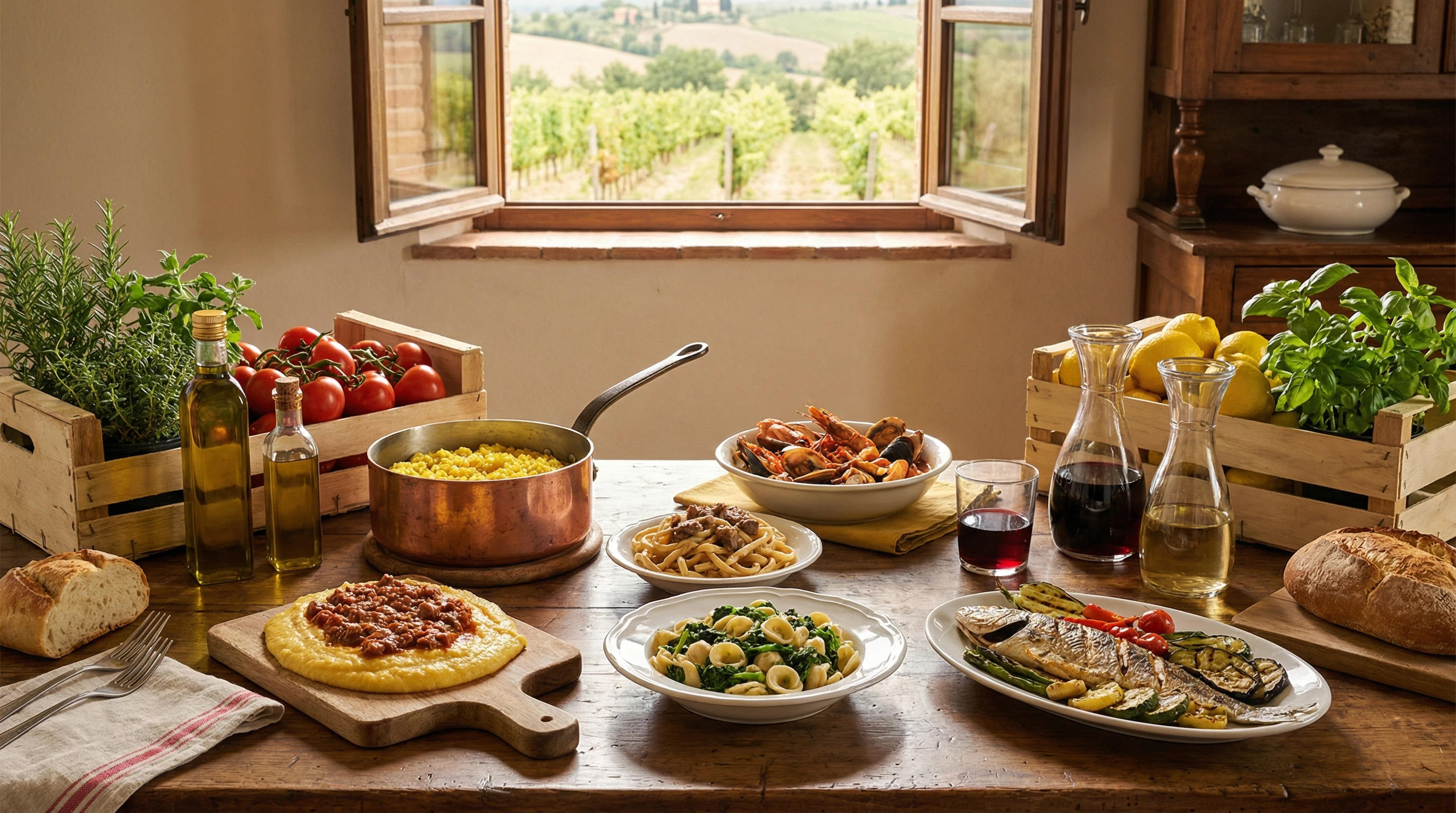
Italian food culture feels familiar, but the country’s cooking changes a lot depending on where you are. In the north, the food is full of cream, rich cheeses, risotto, and polenta thanks to cooler weather and a history of trade with France and Austria. Head down south and you’ll find more olive oil, juicy tomatoes, peppers, capers, and grilled fish. Sunshine and sea completely change what shows up on the table.
These differences are pretty important. People in Milan pride themselves on their saffron risotto, while folks in Naples might argue there’s nothing better than their pizza or fried seafood. Locals often identify strongly with what their region is known for, and recipes get passed down with real pride. Trying to lump all of Italy into one “Italian food” category misses just how unique each place is. If you want to eat like a local in Italy, it’s always worth learning a bit about the area you’re in and tasting what they love most. Even the bread in Tuscany, which is famously unsalted, is different from other parts of Italy. The influence of neighboring countries and even past conquerors is obvious once you start to look at the local specialties. This regional pride means you’ll see fierce debates about which city really makes the best ragu or who does the tastiest gelato. Jumping into these local arguments can be a fun way to get a sense of how much food matters to Italians!
Italian Daily Meal Schedule
One of the big surprises when I stayed with Italian friends was how set their daily meal schedule is. The basics go something like this:
- Breakfast: quick and light, with coffee front and center
- Lunch: the day’s main meal, more structured and relaxed
- Aperitivo: that late afternoon pre-dinner snack and social hour
- Dinner: late, lighter, and about spending time together
You won’t see Italians snacking all day or grabbing massive lattes to go. Meal times are social and pretty set. The whole rhythm feels relaxed, but also kind of sacred. Missing lunch or skipping aperitivo is rare. That routine really helps food stay a natural part of Italian daily life. This schedule does more than set the pace of the day; it gives Italians special moments for reconnecting with family and friends, whether over a quick coffee or a lavish Sunday lunch.
Breakfast In Italy
If you’re expecting eggs, bacon, and pancakes, be ready for something very different. Italians generally stick to a sweet, quick breakfast. Think a small pastry (like a cornetto) or maybe some toast with jam. Coffee is non-negotiable, usually taken as an espresso or sometimes a cappuccino for breakfast, but only in the morning. You won’t see locals drinking cappuccinos after 11 am.
Grabbing breakfast at a bar is typical. “Bar” in Italy means coffee shop, not just a place for cocktails. Most people stand at the counter, sipping their espresso and eating a pastry in just a few minutes before heading out. Sitting down is possible, but it’ll usually cost more. Savory breakfasts like omelets or sausages are pretty much a tourist thing. You rarely see locals eat that way. In fact, a simple biscuit dipped in coffee might be all an Italian has for breakfast during a busy week. This fast, sweet morning meal is all about kicking off the day with a little energy, not filling up.
Lunch: The Heart Of The Day
For most Italians, lunch isn’t just a meal; it’s the highlight of the day, especially on weekends or holidays. The classic “pranzo” tradition is all about gathering with family or coworkers and slowing down. On workdays, lunch can be shorter. Maybe a pasta or meat dish at a nearby trattoria, or a panino. But the vibe is still pretty unhurried compared to what I see back home.
Restaurants often offer a “menu del giorno,” a set menu that’s good value and follows regional recipes. On Sundays, everything ramps up. Tables fill with starters, pastas, mains, sides, salads, and fruit, and it all happens over several hours with everyone talking, laughing, and catching up. This slower lunch routine makes you realize that eating isn’t just for fuel; it’s a break in the day to enjoy company and recharge. For special events or festivals, expect these lunches to last most of the afternoon, sometimes rolling right into evening. You’ll notice how the focus is always on seasonal produce and fresh ingredients that reflect whatever is growing nearby at that moment.
Aperitivo: More Than Drinks
I used to think “aperitivo” just meant cocktails, but in Italy it’s a whole social ritual before dinner, especially in bigger cities like Milan and Turin. Around early evening, bars fill up with locals catching up over light drinks like Aperol spritz, prosecco, or bitter cocktails. Plus a spread of small snacks. These snacks aren’t a meal, but they’re tasty: olives, chips, little sandwiches, focaccia, salumi, maybe a small pasta salad, depending on the bar.
Aperitivo is about connection, not drinking to get buzzed. People meet friends, talk about the day, and ease into the evening. It’s a relaxed, easy start to dinner, something I’ve really come to love after spending time in Italy. At some places, the aperitivo table turns into a generous buffet if you buy a drink, making it a fun, social bargain. The real purpose, though, is to unwind, socialize, and make the most of lingering daylight before dinnertime rolls around.
Traditional Italian Dinner Culture
Dinner in Italy happens later than in most places, usually not before 8 pm, and sometimes as late as 10. The format is lighter but involves several small courses. A first course like pasta or soup, a second course that might be meat or fish, and a simple salad or side. You don’t see giant piles of pasta for dinner. Portions are modest, and everything is about flavor and balance.
Dinner is often about family and friends gathering, even on a regular weeknight. Everyone might share dishes, pass bread around, and linger at the table long after the food is gone just to talk. Rushing through a meal is rare. In my experience, this makes the evening feel relaxed and really enjoyable. Everyone’s focused on being together more than getting full. Meals at home may end with fruit or a little cheese, and dessert is usually something simple, like biscotti or gelato on a summer night.
Tip for travelers: If you want to experience authentic Italian food culture, staying in local neighborhoods rather than tourist areas often gives you access to traditional trattorias and family-run restaurants.
Italian Street Food vs Restaurant Dining
Italy does street food really well, but it’s not the same as grabbing fast food somewhere else. Street food in Italy is regional, seasonal, and surprisingly high quality. For example, in Sicily you’ll find arancini (stuffed rice balls) or panelle (chickpea fritters), while in Rome, pizza al taglio (pizza by the slice) is everywhere.
Locals might grab street food for a snack or a light lunch, especially when out shopping or at the market. It complements sit down meals, not replaces them. I love how street food lets you try classic flavors, quickly and affordably, but you’ll still see people going home or to a trattoria for the main meal with family or friends. Sometimes street food stalls have been run by the same family for generations, so you know you’re getting something rooted in tradition. Don’t hesitate to chat with the vendor—they’ll often point out what’s freshest that day!
Regional Examples (Quick Overview)
- Northern Italy: Butter, cream sauces, risotto, polenta and hearty stews. Venice, Milan, and Turin have a distinctly Alpine vibe in their cooking.
- Central Italy: Tuscany and Umbria are known for simple but tasty pasta dishes, great olive oil, grilled meats, and beans. Roman cooking is famous for cacio e pepe and carbonara.
- Southern Italy: Tomatoes, fresh vegetables, seafood, and tons of olive oil. Naples is all about pizza, while Calabria and Sicily serve up chili and eggplant dishes you won’t forget.
- Sicily: Worth a mention on its own, Sicily combines Arab, Spanish, and Italian influences for dishes with bold flavors, lots of citrus, nuts, and sweets like cannoli and cassata.
Each region brings something special to the table, so if you’re traveling around, make sure to ask locals for their favorite dishes. Even wine and cheese choices can vary dramatically just a few miles apart!
Common Tourist Mistakes In Italy
- Eating at the wrong times: Restaurants often close after lunch and reopen late for dinner. Showing up too early means an empty dining room or nothing at all.
- Ordering “Italian classics” in tourist areas: Pasta Alfredo, garlic bread, or chicken parmigiana are not authentic Italian staples. They’re usually just for tourists.
- Expecting big portions: Italian portions are smaller than typical American plates. Each course is designed to be part of a bigger meal, so you rarely get one oversized dish.
- Missing local specialties: It’s tempting to ask for pizza everywhere, but trying the local dish is a better move. Each area has unique foods that rarely make it onto tourist menus.
A few more things to watch for: Don’t expect to customize your order heavily—many chefs stick to tradition. Also, water and bread might cost a small extra fee at dinner, but this is totally normal in Italy.
So… How Do Italians Really Eat?
Eating in Italy is all about sharing, rhythm, and enjoying the moment. Meals are woven into the day, not something rushed or treated like a big event. Locals focus on quality ingredients, taking their time, and connecting with others over food. There’s less pressure to “find the best restaurant” and more about enjoying whatever fresh, local food shows up at the table. When people say “eat like a local in Italy,” this is really what they’re talking about. Even a simple meal feels special because of the context and company. The main focus isn’t on perfection, but on slowing down and making the most of each bite and conversation.
FAQ About Italian Food Culture
Do Italians eat pasta every day?
Some do, especially in the south, but many Italians rotate between rice, beans, vegetables and meat. Pasta is common, but not always at every single meal.
Is Italian food heavy or light?
Italian food can be either, depending on the region. The north tends to be heavier, but overall, meals balance fresh ingredients with smaller portions, so it rarely feels overwhelming.
Can tourists eat like locals easily?
If you follow the local schedule and try regional dishes, it’s pretty easy to eat like Italians do. Just avoid tourist traps and be open to trying new things!
Is Italian street food cheaper than restaurants?
Usually, yes! Street food is made to be inexpensive, filling and quick. It’s a great way to sample specialties if you’re traveling on a budget or short on time.