
Traveling with allergies presents unique challenges, but it should never be a barrier to seeing the world. With some preparation and a set of mindful routines, trips become more comfortable and less stressful—even for those dealing with severe sensitivities. Here’s my top advice for handling allergies on the road, based on personal journeys and stories from fellow allergy-prone travelers.
AllergyProofing Your Travel Plans
Getting prepared before leaving is key to making trips smoother if allergies are part of your life. Knowing what triggers to expect at your destination helps trade worries for confidence. My go-to is tracking the pollen forecast and air quality for wherever I’m headed. For food sensitivities, I always check the local cuisine, restaurant policies, and how allergenfriendly my stay will be. Allergy resources—like those from the American Academy of Allergy, Asthma & Immunology (AAAAI)—play a big part in my prep.
Here’s my run-down for allergyproof travel planning:
- Research the location: Find out about local allergens, common foods, and how hotels or restaurants handle allergies.
- Book allergyfriendly stays: More hotels now have hypoallergenic bedding or nonsmoking rooms. Always doublecheck before booking.
- Prepare documentation: Bring a list of allergies, your emergency medication plan, and translation cards if going abroad. Keeping everything organized helps if you need to share info quickly.
- Plan meals ahead: Look for places with allergen menus or that welcome custom orders. Sometimes, having your own snacks can make all the difference.
It’s smart to reach out to your accommodation or airlines before your trip to ask about their allergy policies and services. Many places are now more aware of allergies and will make it easy for you to relax and enjoy your adventure.
Packing Smart for Allergy Management
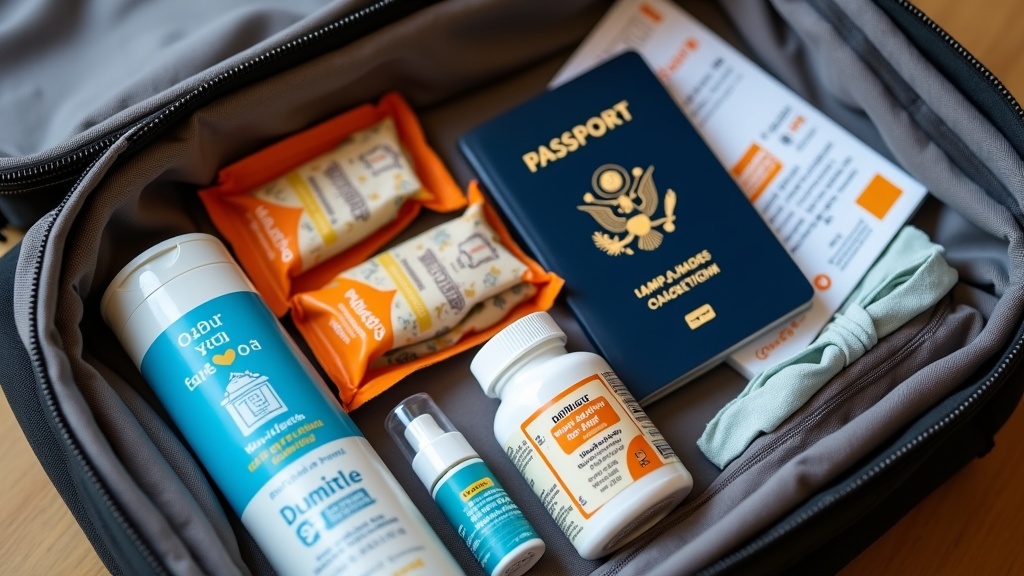
The right packing routine can make traveling with allergies much easier. I always include these essentials in my travel kit:
- Medications and devices: Carry extra antihistamines, inhalers, or an EpiPen if needed. Always put these in your carryon—not in checked baggage where they can be out of reach.
- Doctor note and prescriptions: Having these handy can save trouble at airport checks or if you need a refill abroad.
- Allergy cards: Translation cards explaining allergies can smooth communication in restaurants or food stands.
- Healthy snacks: Carrying snacks that are safe gives extra security if food choices are uncertain, especially during long travel days or layovers.
- Travelsized wipes or sprays: Perfect for cleaning surfaces like tray tables, TV remotes, or hotel tables you’ll touch often.
- Face masks: If airborne triggers are an issue or you’ll be in dusty urban zones, masks can provide a solid first defense.
Keeping your kit organized ensures you can find things quickly if symptoms start. Having quick access reduces panic and helps you stay in control.
Understanding Why Traveling Can Trigger Allergies
Ever notice how allergies flare up on the road? Travel puts you in new environments, which means fresh triggers. Your body might run into pollens, molds, animal dander, or foods it’s never seen before. Add in shifts in humidity, temperature, or air pollution, and symptoms can feel different—or heightened.
Flights can also dry out nasal passages thanks to recycled air, allowing airborne irritants to cause more reactions. Sometimes, just a weather change—like arriving in a damp city during spring—can bring on symptoms you don’t deal with at home.
That’s why it helps to check possible triggers before your trip and be ready with the right medications. Every new place is a learning opportunity, and adapting to your body’s reactions is a big part of being a smart traveler with allergies.
The 3Day Rule: Letting Your Body Settle In
Many allergy doctors suggest the “3day rule.” This means giving your body a minimum of three days to adjust to a new climate before assuming that allergies are truly acting up. New locations come with different pollens, air particles, and stressors. Often, your body will react only during those first 2 or 3 days, then settle once it’s used to the atmosphere.
On my trips, I try to schedule quieter activities up front and closely monitor how I feel. If I’m still sneezing or wheezing after day three, it’s time to rethink my plan, switch medications, or, when needed, consult a local doctor.
Allowing your body to adjust makes travel feel less overwhelming. Sometimes, all you need is a bit of patience before jumping into busier plans.
RealWorld Solutions for Travelers with Severe Allergies
If you manage anaphylactic allergies or know someone who does, you know extra preparation is vital. Here are proven steps many travelers take:
- Tell your companions: Always let those you’re traveling with know about your allergy and how to help during an emergency.
- Medical alert jewelry: A medical bracelet or tag can quickly signal your condition to others if you can’t communicate.
- Order special airplane meals: Airlines usually offer meals that work with most allergies. Check well ahead and confirm your request at checkin.
- Talk to hotel staff: Be upfront about allergies to things like down bedding, cleaning chemicals, or pets. Most hotels want you safe and happy.
- Carry backup meds: Have one set in your day pack and another with a travel buddy in case something gets misplaced.
- Choose kitchen access: If you can cook or prep your own meals, you have more control over what’s in your food and less risk of crosscontamination.
Small steps like these can give a big boost to your confidence and make travel safer and less stressful.
Handling Food Allergies in New Places
Menus in a different language can be tricky when you’re trying to avoid certain foods. Learning key words for major allergens ahead of time, bringing translation cards, and showing them to restaurant staff really helps. Scanning review apps often reveals firsthand tips about allergyfriendliness, and travel groups or blogs specific to allergies can offer in-depth advice for your destination.
When in doubt, grocery stores or local markets are great for finding packaged foods with clear ingredients. If you’re worried about eating out, look for places to stay that let you prep some of your own meals. Safety and enjoyment are always better when you don’t have to worry about accidental exposure to allergens.
Tips for Limiting Environmental Allergens on the Go
Food isn’t the only concern; environmental allergens like dust, pollen, pet hair, or scented cleaning products can also set off reactions. To limit risk, I book rooms away from hightraffic or humid areas in hotels, ask for extra cleaning, and bring my own pillowcase or air filter for longer stays.
Keeping windows closed if the pollen count is up or air pollution is high makes a big difference. Small items, like travel pillows or hypoallergenic covers, also reduce your exposure. The Asthma and Allergy Foundation of America (AAFA) has plenty of simple, practical tips for people facing environmental triggers abroad.
Frequently Asked Questions
How do I deal with allergies while traveling?
Answer: Take along all medicines, organize paperwork, research possible triggers, select allergyfriendly places to stay, and alert your travel buddies. Being prepared to adjust your plans if you react will help keep you safe and confident wherever you go.
What is the 3 day rule for allergies?
Answer: It means letting your body have three days to adjust in a new place, as symptoms may ease once you’re used to the environment. If things don’t improve after that, it’s time to rethink your care approach or seek medical help.
Why do my allergies get so bad when I travel?
Answer: Changing regions exposes your body to new allergens—different pollens, foods, or air irritants. Your immune system can react more strongly to these than to things you’re used to at home.
How do people with severe allergies travel?
Answer: By overpreparing: packing all medications, wearing medical alerts, using translation cards, getting accommodation where they can make their own food, and being vigilant about all trigger situations.
Key Strategies for StressFree Allergy Travel
Stress can steal the joy from any trip, especially if allergies are a worry. Preparing, packing smart, and trusting your habits are the basics. Let yourself be adaptable and stay tuned in to how you feel day by day.
Safe travel with allergies is absolutely within reach—just take it one step at a time. The more you practice, the more you learn, and every trip strengthens your confidence.
Transparency note: This article may contain affiliate links. If you make a purchase through these links, we may earn a small commission at no extra cost to you.