
If you’ve ever wondered why people from Mediterranean countries often seem happier, healthier, and less stressed, you’re not alone. Regions like southern Italy, coastal Spain, Greece, and Portugal consistently show up among the world’s healthiest places. There’s definitely something special going on there, but it’s probably more about what’s on the plate and how it’s enjoyed rather than just the air.
In these areas, food isn’t just about filling up. It’s a lifestyle deeply rooted in local culture. Meals are woven into the daily routine, shared among friends and family, and enjoyed slowly. Eating isn’t rushed or squeezed between meetings. Instead, it’s a chance to connect, relax, and recharge. That’s likely why visitors to the Mediterranean return home feeling lighter and brighter, even if they’ve eaten more than they usually would. The connection between food habits, stress, and longer lives here is worth checking out.
What Defines Mediterranean Eating Habits?
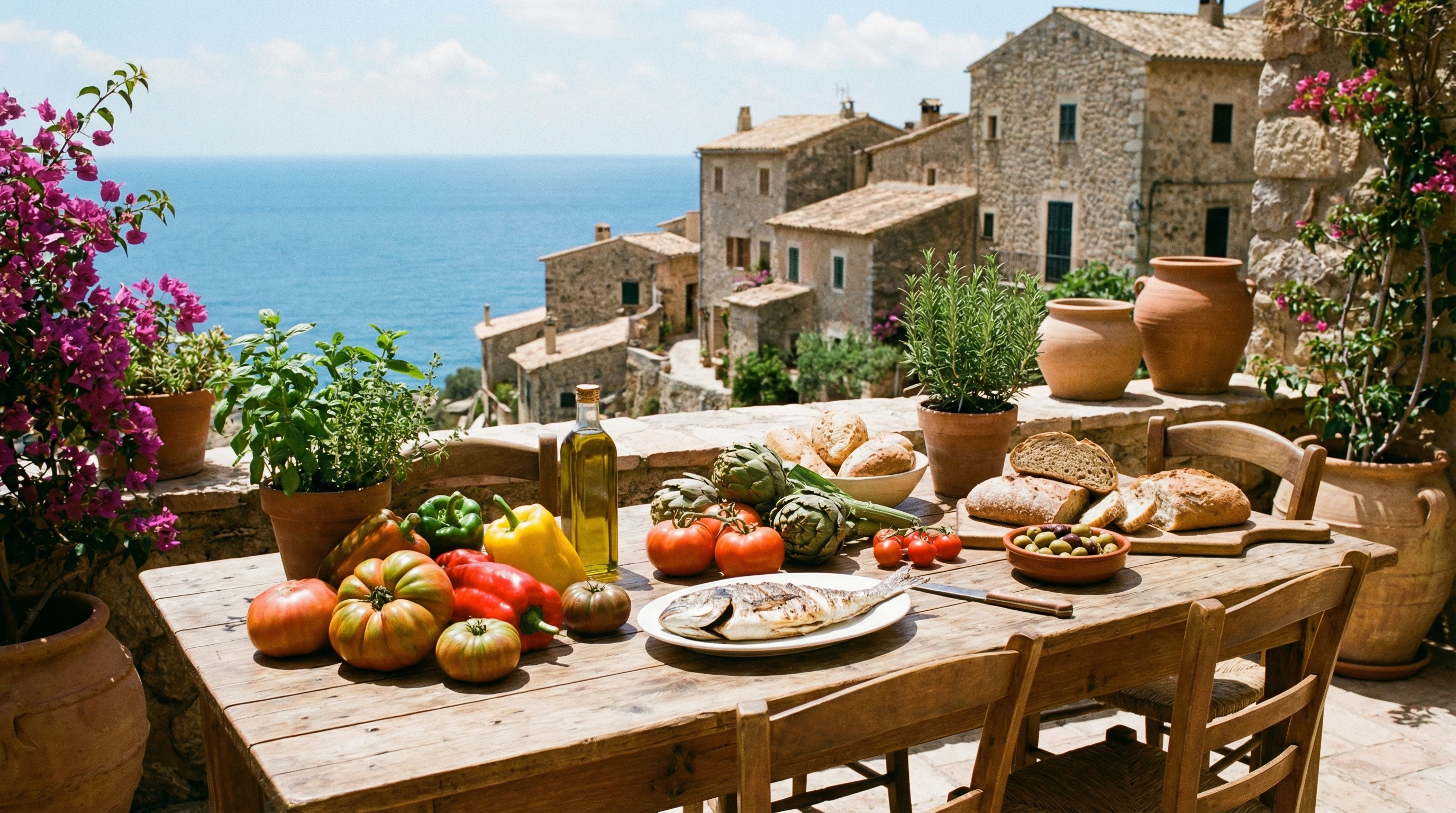
Mediterranean eating isn’t just about the ingredients. It’s the overall vibe and approach. The focus is on simple, fresh food, eaten in a relaxed way. Olive oil, tomatoes, local fish, and plenty of seasonal veggies and fruits fill the plate. There’s less emphasis on fancy presentation and more on quality and taste. Shopping is often done at small markets, where locals pick up produce, cheese, or bread that’s just been baked. Many classic recipes—think grilled eggplant, garlicky chickpeas, or rich tomato sauce—haven’t changed much in decades.
Meals here are rarely a quiet occasion. It’s common to eat outside at a sunlit street café, or around a large kitchen table at home. Meals set the daily rhythm, not a chore to finish. Eating together with friends and family is the norm, and there’s usually no rush to leave the table. Whereas eating on the go or at a desk is rare, food in the Med is a reason to pause and catch up with people, making daily life feel a bit easier and happier.
The ingredients themselves play a huge part. Local vegetables and fruits, whole grains, seafood, legumes, nuts, and olive oil dominate the menu. Fresh herbs like oregano, basil, and mint add a punch of flavor without needing artificial sauces or toppings. From vibrant Greek salads to hearty Spanish gazpacho, the staples are both tasty and good for you. Seasonal eating is typical, so meals change with the time of year. This naturally adds variety while also keeping things affordable and exciting. Even at home, colorful plates often steal the show, making mealtime something to look forward to.
How Locals Eat vs How Tourists Eat
When I first visited southern Europe, I noticed that locals make eating look almost effortless. Portions are usually smaller, and meals hit a good balance of grains, vegetables, olive oil, and protein-rich foods. Most locals eat slowly, savoring each bite while making time for conversation. Even lunch, which can stretch for two hours, is as much about socializing and relaxing as eating. Regular meal times keep blood sugar steady and make the urge for constant snacking disappear.
Tourists, on the other hand, often order a big mix of dishes—the famous “when in Rome” approach—eat quickly, and move on to the next attraction. Many try to pack sightseeing between meals or grab snacks on the go. It’s common to see travelers eating more than locals would and missing out on the relaxing part. Eating alone is more common for visitors, but locals typically find a friend or family member to join. Mindless snacking is uncommon among locals, especially outside of mealtimes.
Locals also set the pace for enjoying meals. Time stretches during lunch and dinner, with lively conversations, laughter, and genuine connection. Depending on the country, you might find people lingering for coffee or sharing plates long after the main meal is done. This unhurried approach makes food as important for mental health as it is for nutrition.
Why Mediterranean Diet Supports Long-Term Health
The core foods in Mediterranean cooking are all about balance. Plates overflow with colorful vegetables, legumes like lentils and beans, and healthy fats from olive oil and nuts. Fresh fish is a regular feature, and meat or dairy shows up in moderation. Processed foods are rare. Locals aren’t stressed about skipping dessert, but cakes and sweets are an occasional treat instead of a daily habit.
There’s no strict counting or endless list of rules to follow. Instead, local traditions offer natural variety and portion control. Regular meals curb overeating, while homestyle recipes limit the use of hidden sugar or preservatives. The natural balance of these meals means people don’t spend their time chasing after the latest diet trend. For many, habits built over a lifetime help them feel great for years, making the “diet” feel more like a long-lasting routine than a short-term fix.
Research backs it up—Mediterranean diets are linked to lower rates of heart disease, obesity, and diabetes. The reason? The food isn’t just nutritious, but the way of eating also supports stress management and emotional health. The combination creates a powerful formula for long-term well-being.
Stress, Time & Food: The Mediterranean Lifestyle Advantage
The Mediterranean pace is definitely slower than what I’m used to elsewhere. Here, food isn’t just a quick stop on the schedule. Mealtimes are built-in breaks, giving everyone a reason to pause. You won’t see people inhaling a sandwich at a bus stop. Instead, lunch is a true sit-down event, often shared with coworkers or family at home.
Eating together is probably the region’s biggest “secret weapon” against stress. Long talks over coffee, a glass of wine, or a handful of olives take the edge off the day. Even quick meals are paired with conversation. Cafés frequently fill up with locals chatting and laughing, especially during late afternoons or weekends. Eating slowly gives your body time to notice fullness and savor the flavors, which helps manage stress and leaves you satisfied after meals.
The act of gathering around the table, putting down phones, and focusing on the company and food helps everyone recharge. These moments strengthen bonds between friends and family, allowing problems to be shared and support to shine through. Over time, this approach to food and stress steers daily life away from burnout and closer to joy.
Country Examples
Mediterranean eating habits look a bit different from country to country. In Portugal, breakfast is typically light—often just a coffee and a pastry. Lunch becomes the main event, hearty and filling, with families or coworkers gathering at home or in local restaurants. Shared snacks, called petiscos, encourage light nibbling and conversation with friends later in the day, usually with a glass of wine or cold drink.
Spain is famous for its late meal times and bustling social life. Locals might not eat dinner until 9 or 10 at night, choosing to fill up the evening with tapas and shared plates at busy bars. Meal culture emphasizes socializing, so even a casual dinner can become an hours-long event. Lunch is usually large and may include multiple courses, while afternoons are filled with short breaks for coffee or snacks to catch up with coworkers or friends.
In Italy, meals follow a steady rhythm: a simple breakfast, a big lunch, afternoon coffee, and a social aperitivo before long, conversation-filled dinners. The Italian saying in Milan—“Long dinners, long life”—captures the feeling of extended meals centered on laughter and meaningful conversation over delicious, local food.
France, just north of the Mediterranean, deserves a quick mention for its focus on quality. Even a simple lunch of baguette, cheese, and fruit can be memorable. Here, portions remain moderate but flavors always take center stage, and every bite is meant to be enjoyed.
Why Travelers Are Drawn to Mediterranean Food Culture
On a trip to the Mediterranean, I always feel a bit lighter and more relaxed, no matter how many gelatos or cheese platters I try. Eating here feels different. The slow pace, the laughter, and the fresh ingredients leave you satisfied but never uncomfortably full. I’m able to eat well without guilt because meals are never rushed or oversized.
Countless visitors mention trying to “bring it home”—to keep those happy, healthy habits going in their busy routines. It’s clear why people want to take a piece of the Mediterranean lifestyle with them. The natural foods, friendly atmosphere, and slower pace of daily life all contribute to a little extra magic. There’s a real connection to both the place and community, making each meal a memory to cherish.
Can You Adopt Mediterranean Habits at Home?
I’ve learned it’s possible to add some Mediterranean habits to daily life, even if you live far from the sea. Slow down and enjoy your meals, even if it’s only on weekends. Swap out packaged snacks for fruit, nuts, or fresh veggies in season. When possible, make meals a shared event with family or friends.
Pay attention to quality over quantity when it comes to what’s on your plate. A few slices of good bread, some olive oil, and fresh tomatoes can be just as satisfying as a larger meal. Sync your eating with regular meal times and try to step away from screens or work during food breaks. The more you add Mediterranean routines—like a regular lunch break, relaxed coffee, or a visit to the local market—the bigger the difference you’ll notice. Small changes add up over time.
Final Thoughts
Mediterranean eating habits are built around food, time, and people. They aren’t just about lists of foods to eat and avoid, but a whole approach to daily life that slows stress and pumps up enjoyment. Meals here are real reasons to pause, connect, and savor—not things to tick off a to-do list.
Traveling through these countries always leaves me with new lessons about how to eat, rest, and live better. Southern Europe offers loads of inspiration for anyone looking to set up a happier, healthier routine at home. If you start making even a few of these changes, you’ll soon track down a more joyful, mindful way to eat and live—Mediterranean style.
If you’re curious how this lifestyle plays out day to day while traveling, exploring local food cultures in countries like Portugal, Italy, or Spain is one of the easiest ways to experience it firsthand.
Frequently Asked Questions
Is the Mediterranean diet really about food or lifestyle?
It’s a bit of both, but lifestyle makes all the difference. Eating slowly, sharing meals, and sticking to local rhythms is just as important as what goes on your plate.
Why do Mediterranean countries have lower stress levels?
Daily life revolves around taking breaks and social time, especially during meals. This helps people reset and keeps stress from taking over their days.
Can travelers benefit from local eating habits?
Yes, even during a short trip, following Mediterranean routines—slow meals, more conversation, and less rushing—can help you feel better and more balanced.
Is Mediterranean eating expensive?
It doesn’t have to be. Most Mediterranean meals are based on seasonal veggies, grains, and simple proteins. Focusing on fresh, local ingredients keeps things affordable and tasty.
What’s the easiest habit to adopt at home?
Try making one meal a day a slow, screen-free ritual. Even if it’s just breakfast, taking an extra few minutes to sit down, eat, and notice the flavors can make a noticeable difference.