
If you’re into extreme sports, you already know the buzz that comes from pushing limits, whether it’s mountain biking, rock climbing, snowboarding, or something even wilder. However, with all that excitement comes some pretty real risks. I’ve learned over the years that simple precautions and having the right mindset can make extreme sports a lot safer, no matter what you’re into. Here’s a practical guide packed with key safety tips, answers to common questions, and insights on how to get the most out of your adventures while still looking out for yourself.
Why Safety Precautions Matter in Extreme Sports
Extreme sports attract people for a lot of different reasons. The adrenaline rush, the challenge, and even a sense of freedom are all big draws. Safety often gets overlooked, but putting basic precautions first can mean the difference between a fun session and a trip to the hospital. Stats from organizations like the Outdoor Foundation show that injuries in extreme sports make up a sizable percentage of ER visits among sports participants, especially when safety planning is skipped. So, making safety a habit just helps you keep on enjoying what you love, longer.
When you’re setting up for any extreme sport, try approaching it with the mindset that the goal is to have a blast, make new skills stick, and pull off great memories. It isn’t just about getting through the experience. This way, you still get the thrill, but you also boost your chances of staying physically and mentally in good shape. Safety is ultimately about setting yourself up for more fun and less risk in everything you do.
7 Practical Safety Precautions Used in PE and Extreme Activities
Physical education teachers cover a lot of ground with safety, and the same guidelines apply to extreme sports, just ramped up to match the intensity. Here are seven safety steps that come up in both PE class and the world of adventure sports:
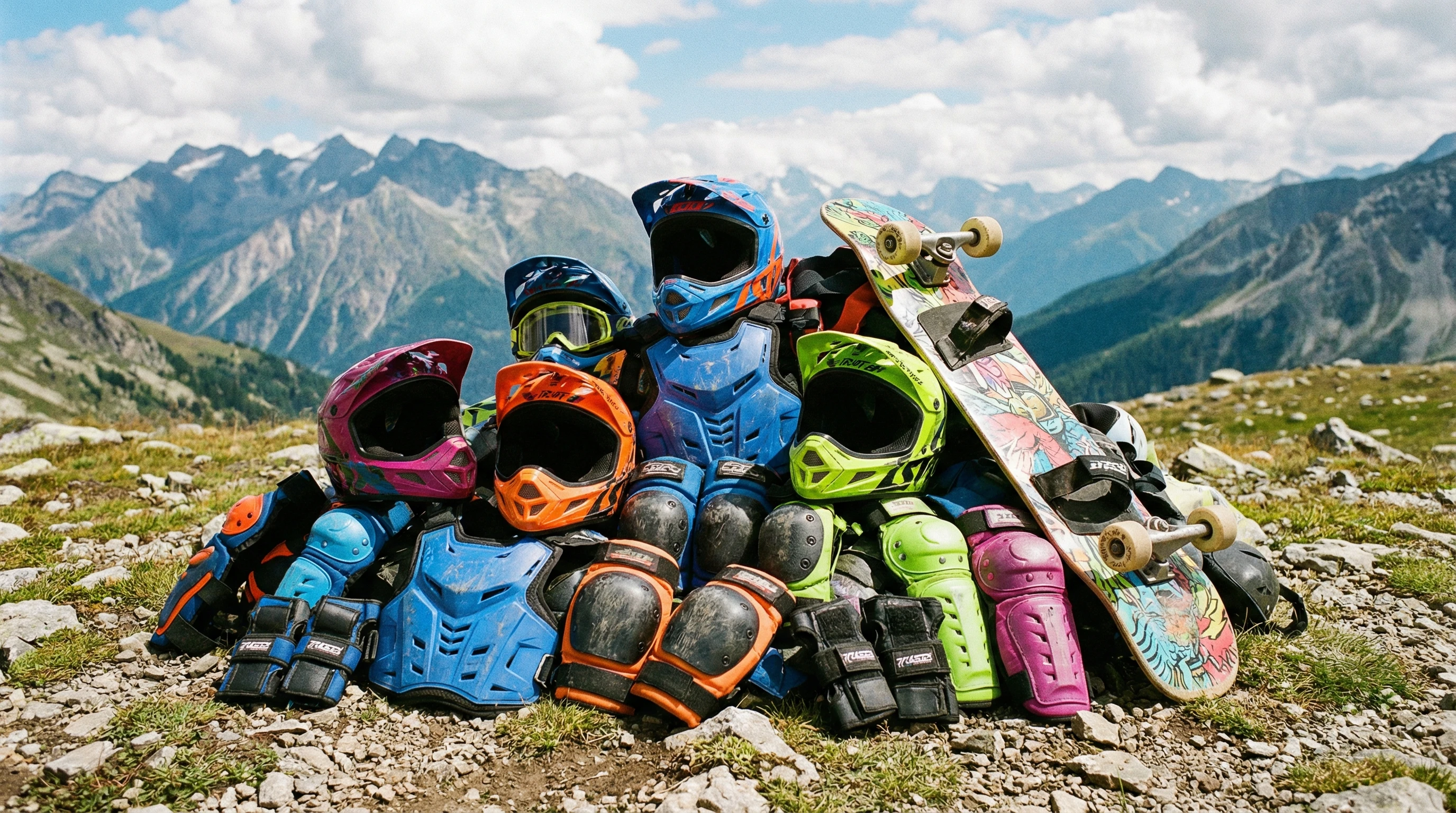
- Gear Up Properly: Always wear the recommended safety equipment, such as helmets, pads, mouthguards, goggles or even full body armor depending on your activity.
- Warm Up and Stretch: Prep your body before any session. Flexibility can help prevent sprains, strains, and pulled muscles.
- Know Your Environment: Study the terrain, weather, and possible hazards such as loose rocks, icy patches, or unexpected drops.
- Follow the Rules: Every sport has its own set of safety rules. Pay attention to trail markers, boundary lines, and posted warnings.
- Get Proper Training: Learn the basics from a qualified instructor before you try new techniques or stunts. Don’t assume skill in one sport instantly translates to another.
- Hydrate and Fuel Up: Eat and drink enough before, during, and after your activity to keep your energy and focus sharp.
- Use the Buddy System: Always let someone know your plan and try to go with a friend. Solo adventures up the risk if something goes sideways.
If you keep these tips in mind every time you go out, you’ll stack the odds in your favor for safe fun. Don’t forget to make safety a habit, as consistent attention to the details keeps you in the game longer and can even improve your overall performance. Sometimes, these small steps are what set apart experienced athletes from those who end up sitting on the sidelines due to preventable injuries.
Preparing Both Mind and Body for Extreme Sports
Preparation goes beyond checking your gear. I’d say most accidents happen when people rush or underestimate what the experience involves. Getting yourself physically and mentally ready means fewer surprises and a more enjoyable ride. Being proactive with preparation leads to safer and often more rewarding sessions.
Physical Readiness
Extreme sports can take a toll on your body. Regular strength training, cardio workouts, and flexibility exercises really help, especially for activities where falls are common. It’s smart to crosstrain and target muscles that support your core, back, and legs. Rest is also part of the game. Overtraining makes you sloppy, which leads to injuries. Taking recovery days seriously gives your body time to rebuild and keeps nagging aches from turning into major issues.
Mental Readiness
Mental focus is just as important as muscle power. Stay present and avoid distractions. Visualization techniques, where you mentally rehearse a route or move, can help you react faster in tricky spots. Many athletes use short breathing exercises to calm nerves before a big attempt. It’s also helpful to set clear, realistic goals before each outing, so you’re not blindsided by tough conditions or new skills that push you too far too fast.
Double-checking your knowledge and equipment can also prevent major mishaps. For example, if you’re going for your first backcountry snowboard run, it’s super important to review avalanche risk reports and make sure your avalanche beacon and probe actually work. In group settings, having a pre-activity chat about everyone’s skill level and comfort zones can help keep expectations clear and keep everyone safer as a team.
Why Do People With ADHD Gravitate Toward Extreme Sports?
It’s pretty common to see people with ADHD getting hooked on extreme activities. I’ve noticed, and research backs this up, that the fast pace, unpredictability, and focus demanded during these sports often help folks with ADHD manage their symptoms. The adrenaline rush, split-second decision-making, and sheer need to stay alert play into their strengths.
Additionally, the immediate feedback in extreme sports can be rewarding. Unlike in school or an office environment, where distractions and waiting around are the norm, extreme sports require being “in the zone,” which can be energizing for someone with ADHD. Plus, the social aspect and sense of community around these activities can be really positive, boosting confidence and giving a solid outlet for energy. Participating in these activities can help adults and kids with ADHD build self-discipline through structure, while allowing room for creativity and excitement. The variety in challenges keeps them interested and engaged, making sports one of the most productive outlets for their natural drive.
How To Make Extreme Sports Safer: My Go-To Checklist
I’ve found that safety comes down to more than just a helmet and good intentions. Here’s how you can make your next adventure safer, from my own experience and chats with other enthusiasts:
- Check Gear Before Every Session: Damage sneaks up, like frayed harnesses, cracked helmets, or weakened bindings, and can make your gear fail just when you need it most.
- Understand Weather and Terrain: If you’re heading out for rock climbing or mountain biking, scan for weather alerts and search out recent trail or route reports. Even a quick rain shower can make things sketchy.
- Start Small and Build Up: The most experienced adrenaline junkies usually started with basics, nailing technique before ramping up the challenge. Slow progression reduces risk and helps build the muscle memory you need.
- Take a Course in First Aid: Even a simple first aid class can help you deal with sprained ankles, wounds, or altitude sickness on your own until help arrives.
- Stay in Communication: A radio, whistle, or even a phone in a waterproof case are good to have on you, especially when venturing off the grid.
- Know When to Say No: Trust your gut. If something feels off, there’s usually a good reason. Walking away isn’t always easy, but it’s a skill worth honing.
Real-World Safety Gear and Tech That Make a Difference
These days, there’s a lot of safety tech out there to help you stay ahead of problems. I’ve tried a bunch of options, and a few have become staples for me and friends:
- Helmets: Get one that’s sportspecific. Skate helmets aren’t made for snowboarding crashes, and vice versa.
- Action Cameras: Not only fun, but their footage can show you (or a doctor) exactly how a fall happened. Some models even have emergency alert features.
- Wearable Sensors: Devices that monitor biometrics like heart rate, GPS, and temperature help when you’re pushing limits or riding solo off the beaten path.
- Protective Pads: Quality pads for knees, elbows, and wrists absorb a lot of impact and are worth every penny.
- Weather and Safety Apps: Simple but super useful, these apps track local hazards and let others know where you are while out there.
Staying up to date with new safety gear means you can push your limits with more confidence. Check out reviews, talk to local experts, and try gear before buying when possible. Small investments in the right protection often pay off with fewer injuries and better experiences overall.
Extreme Sports Safety FAQs
I hear a lot of questions about how to actually apply all these tips. Here are some quick answers to questions that keep coming up:
How can extreme sports be made safer for everyone?
Regular training, keeping equipment in working order, learning first aid, and following sportspecific safety rules all help lower risks. Creating a habit of checking conditions and using the buddy system every time goes a long way, too.
What’s the biggest mistake new extreme athletes make?
Pushing too hard too soon, which means trying moves or routes above their skill level, or skipping key steps in their prep. Patient, steady progress is safer and helps build skills that stick. It’s more fun in the long run if you respect the learning curve and avoid the injuries that come from impatience.
How do extreme sports help people with ADHD?
The focus and stimulation of extreme sports helps channel energy in a positive way, giving instant feedback and keeping boredom away. Plus, the social and outdoor settings are often a good fit for people who get restless in more traditional settings. Team sports or group rides give structure, while solo pursuits offer creative problem-solving moments that keep minds engaged.
How do I get ready for my first extreme sport?
Start small by learning the basics from a coach or in a group lesson, invest in good equipment, focus on conditioning, and read up on risks for that specific sport. Build a plan that includes letting someone know where you’ll be and when. Over time, as your skills and confidence grow, you can branch out and take on challenges safely.
Final Thoughts
Staying safe doesn’t take away the intensity or joy of extreme sports. If anything, it gives you confidence to go further and do more. Taking a little extra time for smart preparation, mentally, physically, and with your gear, pays off every single time. Remember that every pro rider or climber started as a beginner who made safety a priority. Those habits, more than any trick or shortcut, keep you coming back for more good times year after year.
The rush of extreme sports is unbeatable, and going in with the right safety habits just means you get to keep enjoying that adrenaline high day after day. Stay stoked, be smart, and keep the adventure going! Every session is a chance to learn, grow, and enjoy the thrill in ways that last far longer than just the ride itself.
Transparency note: This article may contain affiliate links. If you make a purchase through these links, we may earn a small commission at no extra cost to you.