If seeing the Northern Lights in Scandinavia is on your bucket list, knowing when and where to go makes all the difference. The aurora borealis is a magical experience, but catching it can depend on a few key factors, from the time of year to the strength of the solar cycle. I’m breaking down everything you need to give a boost to your chances of seeing the lights, along with personal tips after several winters spent chasing auroras in the snowy north.
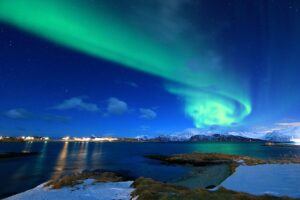
Best Months to See the Northern Lights in Scandinavia
The experience of seeing the Northern Lights really depends on your timing. The main aurora season in Scandinavia runs from late September until early April. I’ve found that the best months are usually between October and March. This is when nights are long and dark, which is pretty important since you need total darkness to get the most vivid light shows.
While December to February are popular months because of the long polar nights, October and March are worth considering too. During these shoulder months, the weather can be slightly milder, and the skies might be a bit clearer, especially up in northern Norway and Sweden. That extra bit of daylight also lets you enjoy some other snowy activities before you bundle up and wait for the auroras after dinner.
Looking for specifics? Statistically, the weeks around the new moon in January and February often provide the darkest nights and the least light pollution, which can make the auroras seem even more dramatic. Checking the moon phase calendar and watching for clear, cloudless nights definitely helps.
Why 2025 is a Great Year for the Northern Lights
2025 is generating a bit of excitement among Northern Lights chasers. That’s because we’re heading toward something called the solar maximum, a peak in the Sun’s activity that happens roughly every 11 years. During these phases, solar storms are a bit more common, which often means more frequent and stronger auroras hitting higher into the skies over Scandinavia.
I remember catching the last solar maximum, and the lights were so active that sometimes they even appeared in southern parts of Scandinavia, which is pretty rare. For 2025, forecasts show solar activity will be higher than average. This increases the odds of a bright, active aurora display; even during a short trip.
If you’re planning far in advance, 2025 looks like an awesome opportunity to catch the Northern Lights at their best. Just remember that strong solar activity doesn’t make up for cloudy skies, so flexibility and patience still matter.
Not only can you expect more frequent displays in classic northern hotspots, but some meteorologists are even predicting that strong activity in 2025 could make the lights visible farther south than usual. This kind of event doesn’t happen every year; it’s a real treat for aurora enthusiasts and nature lovers who want to catch something extra special.
Which Scandinavian Country is Best for the Northern Lights?
Scandinavia covers a lot of ground, but Norway, Sweden, and Finland all have areas well-known for aurora shows. Based on my own trips and chats with local guides, here are some things to keep in mind for each country:
- Norway: Tromsø is kind of the unofficial capital for Northern Lights tourism. The city is above the Arctic Circle, boasts easy access to dark skies, and it’s wellconnected by air. The coastal fjords and islands up north let you chase clear weather, which is handy since clouds can roll in fast. Lofoten, Alta, and Senja also see plenty of aurora action.
- Sweden: Abisko is the most famous hotspot. Thanks to its unique microclimate, Abisko National Park often stays clear even when it’s socked in elsewhere, making it a favorite for serious aurora hunters. Kiruna, further north, is another popular base.
- Finland: Lapland is full of wilderness cabins and glassroofed igloos built for skywatching. The area around Rovaniemi gets a lot of visitors, but heading further north to Inari or Utsjoki often pays off with less light pollution and deeper silence.
If easy travel and lots of tour options are a priority, Norway is probably the simplest bet, but aurora possibilities span all three countries. It just depends on the kind of adventure you want.
The Cheapest Month to Visit Norway for the Northern Lights
If you’re looking to keep your trip affordable, timing your visit outside the busiest periods is helpful. January tends to be the cheapest month to visit Norway for Northern Lights trips. Holiday crowds have cleared out, and tour packages, flights, and hotels drop in price. Weather can be a bit colder and more unpredictable in January, but the tradeoff is quieter attractions and better deals.
Another tip? Look for smaller towns outside the major tourist centers; think Narvik or Bodø; which can be lighter on the wallet while still giving access to great aurora views. Booking early helps lock in better prices, especially with flights up north.
If you’re up for a bit of an extra adventure, visiting in November or late March is another trick for finding lower prices and fewer crowds, though weather can vary more. Keep your eye on special off-peak flight deals too, which sometimes pop up last minute.
Top 10 Best Places to See the Northern Lights in Scandinavia
Over the years, I’ve pulled together a personal shortlist of places across Scandinavia that have either wowed me or come highly recommended by locals:
- Tromsø, Norway: Tons of tours, easy access, and beautiful fjord landscapes.
- Abisko, Sweden: Microclimate keeps skies clearer than almost anywhere else in Lapland.
- Lofoten Islands, Norway: Dramatic coastal scenery and colorful fishing villages.
- Senja, Norway: Wild mountain backdrops and fewer crowds than Tromsø.
- Kiruna, Sweden: Gateway to Lapland, with plenty of aurorafriendly hotels and activities.
- Rovaniemi, Finland: Santa’s hometown and easy logistics, though busier with tourists.
- Inari, Finland: Remote, super dark, and surrounded by huge wilderness lakes and forests.
- Alta, Norway: Known as the “City of the Northern Lights,” with great local history.
- Utsjoki, Finland: The northernmost village in Finland, perfect for serious aurora watchers.
- Bodø, Norway: Southern edge of the auroral oval, good for mixing city and nature.
All of these are worth checking out, especially if you match your timing to the aurora forecast. If you want the best of both worlds, consider combining two or more locations over a week. It gives you a backup and a chance to explore different cultures, foods, and landscapes along the way.
Your Guide to Taking a Northern Lights Tour in Sweden
Sweden’s Lapland region is set up perfectly for guided tours aimed at aurora hopefuls. If you’re new to hunting the lights or just want the full experience, signing up for a tour is a smooth way to get the most out of your night.
In my experience, Abisko is the most hasslefree place in Sweden to join a Northern Lights tour. Local guides are usually pros at reading the skies and will drive long distances to get you under clear patches, even if it means crossing into Norway for better views. Tours come in all styles, from snowmobile safaris to chilledout van rides or even dogsled adventures. Most will include warm clothes and tripods, and some bring along a photographer to help with camera settings.
Book early if you want to go during the busiest months (December through March), and keep an eye out for smallgroup options. Smaller group sizes mean more flexibility on the night, which makes it easier to move to a second location if the clouds roll in.
Even if you’re experienced, going with a guide the first night amps up your odds and teaches you how to spot subtle auroras that beginners might miss. You’ll hear stories, get local insights, and sometimes stumble upon other wildlife like moose or arctic foxes while you’re out in the dark.
More Tips for Catching the Northern Lights in Scandinavia
- Check Aurora Forecasts: Download an aurora alert app or bookmark sites like the Space Weather Prediction Center. I always keep one eye on the short-term forecast during my trip.
- Dress Really Warm: Arctic winter nights are no joke. Multiple thermal layers, warm boots, and a good hat make aurorawatching much more fun.
- Bring a Tripod and Camera: The lights can show up suddenly. For the best photos, you’ll need to use long exposures. Even smartphones can capture good shots if they’re steady, but a basic camera with manual settings is even better.
- Stay Flexible: The weather can change fast in the north. I often plan a few extra nights in case the first or second night is cloudy.
- Get Away From City Lights: Even a little bit of light pollution will spoil those vivid auroras. Climb a small hill or walk away from the streetlights, and you’ll immediately notice the difference.
- Be Patient: Some nights, the show takes a while to start. The best displays I’ve seen sometimes only last 20 minutes, but they’re worth the wait. Just bring a thermos of something hot and enjoy the silence in between.
Frequently Asked Questions
What is the best month to see the Northern Lights in Scandinavia?
Late autumn to early spring (October through March) usually gives you the best odds, with December through February bringing the longest nights.
Why is 2025 good for the Northern Lights?
2025 lines up with the solar maximum, meaning stronger solar storms and more active aurora displays are expected. More activity means more chances to see the lights, even during short visits.
Which Scandinavian country is best for the Northern Lights?
Norway, Sweden, and Finland all offer great aurora viewing. Norway (especially Tromsø) is probably the easiest for newcomers, but Sweden’s Abisko consistently has some of the clearest nights. Finland’s Lapland is quieter and full of quirky places to stay.
What is the cheapest month to visit Norway?
January is usually the most affordable time to visit Norway for the Northern Lights, thanks to lower prices once the holiday rush ends.
Where are the absolute best places to see the Northern Lights in Scandinavia?
My top picks are Tromsø (Norway), Abisko (Sweden), and Inari (Finland), but the full list above gives you plenty of solid options.
How do Northern Lights tours in Sweden work?
Tours usually start in the evening and can last anywhere from 3 to 6 hours, depending on conditions. Guides use live forecasts and local knowledge to find the clearest skies, and transport, snacks, and gear rentals are often included.
Transparency note: This article may contain affiliate links. If you make a purchase through these links, we may earn a small commission at no extra cost to you.