
Italy always captures my imagination with its blend of history, natural beauty, and wildly different experiences from one region to another. Whether I’m drawn to the energy of the cities, the relaxation of the countryside, or the fun of the coast, where I decide to stay totally changes the vibe of my trip. Picking the right area and style of accommodation pretty much decides whether the trip is smooth and memorable or full of little headaches. This Italy accommodation guide is here to break down the best places to stay in Italy based on your travel style, all the popular types of hotels and rentals you’ll come across, practical booking tips, and some honest advice to help you avoid classic mistakes. → Read: Italian Food Culture Explained: How Locals Really Eat Across Italy
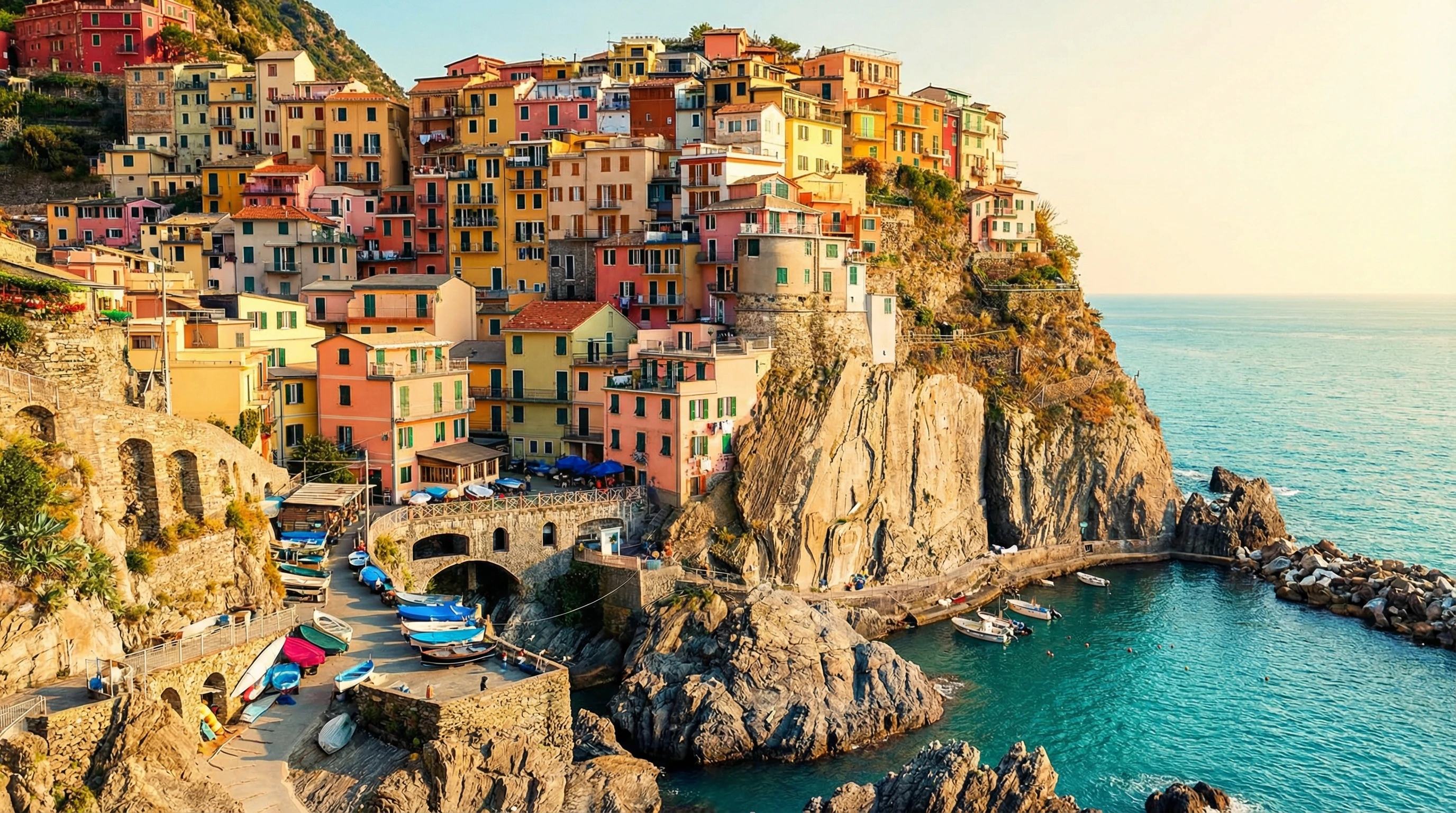
Quick Guide — Where To Stay In Italy
- Best cities for first-time visitors → Rome, Florence, Venice
- Best for food lovers → Bologna, Naples, Tuscany
- Best for beaches → Amalfi Coast, Sicily, Sardinia
- Best for slow travel → Tuscany villages, Lake Como, Puglia
- Best budget cities → Bologna, Padua, Bari
Where To Stay In Italy Based On Travel Style
No two Italian trips are the same, and the right base depends a lot on what I want to experience. Here are the best areas to stay in Italy for different types of travelers:
For First-Time Visitors
When I was first stumbling upon Italy, I found it easiest to stay right in the heart of the action. The Rome historic center puts me among the big-name sights, with cobblestone streets, outdoor cafés, and all the classic Roman landmarks right outside my door. In Florence, staying in the city center means I can walk to the Duomo, museums, and the Arno River in minutes. Venice is all about convenience, so I usually look for a hotel near Piazza San Marco or the Rialto Bridge, making it simple to explore the canals on foot or by vaporetto boat. Walkability in these cities is a huge advantage, especially when every corner brings something beautiful or unexpected. Don’t forget to carve out some time for a relaxed stroll at sunset—Italy’s glow-up moments are often unscripted.
For Food Lovers
I think Italy’s food scene alone is reason enough to want a trip here. Bologna is a paradise for pasta fans and has some of the best markets. Naples tempts me with its legendary pizza and bustling food streets, plus lots of pastries and street snacks. Tuscany’s countryside delivers rustic charm and amazing local food, with farm-to-table experiences and charming wineries scattered around. Staying close to the local food markets and trattorias rather than chain restaurants brings out the best flavors wherever I go. Trying regional specialties and chatting with locals can shine a light on traditions you might otherwise miss. There’s nothing like stumbling upon a tiny bakeshop or lively mercato by accident. → Read: Italian Breakfast Culture: What Italians Really Eat In The Morning
For Beach Holidays
If I’m after sun and sea, the Amalfi Coast has jaw-dropping scenery and cliffside villages like Positano and Amalfi, with both cozy B&Bs and more luxurious resorts. Sicily’s coastal towns like Taormina or Cefalù let me split my days between historic streets and the beach. Sardinia is famous for its crystal-clear water and laidback vibe, whether I pick a village inn or a resort set right on the sand. Beach breaks in Italy move at their own relaxed pace, and the coastal towns feel different from the bigger cities—super good for recharging and stepping away from crowds. You’ll spot locals heading to the beach early, and evenings are all about long dinners overlooking the sea.
For Relaxed Slow Travel
Sometimes, I just want to slow down, breathe deep, and watch the world go by. The Tuscan villages around Chianti or Val d’Orcia are packed with cozy rooms in old stone buildings, surrounded by olive groves and vineyards. Lake Como’s towns, like Bellagio and Varenna, offer lakeside strolls and peaceful mornings. The Puglia region in the heel of Italy’s boot is perfect for less-crowded towns, whitewashed architecture, and the unique experience of staying in a trullo—those round traditional homes. In these spots, time moves slower, and there’s plenty of space to unwind, read, and taste homegrown olive oil or wine made on-site.
For Budget Travelers
If I need to keep costs down, staying in smaller cities like Bologna, Padua, or Bari can be a smart move; they still have charm and great local food, just without Milan or Rome prices. In major cities, I often look just outside the main tourist center, where accommodation is more affordable but still close enough for easy access by metro or bus. Avoiding peak summer and traveling in the spring or fall opens up the chance to grab great deals while exploring in more comfortable weather. Local hostels or family-run guesthouses can also give a boost to your budget, making funds stretch further for sightseeing and food splurges.
Accommodation Types In Italy Explained
The Italy hotels guide can feel overwhelming because there are so many options, but learning the basics helps me find what fits my trip best. Here’s a breakdown of what’s out there:
Hotels
Classic hotels are everywhere across Italy, from grand city properties to familyrun places in small towns. These are super useful if I’m after simplicity: breakfast, daily cleaning, and someone at the front desk to help if anything goes wrong. I usually pick hotels for short city breaks or when I know I’ll be moving around a lot. Some hotels offer packages that help smooth the way for travelers, including tours or shuttle service, giving your trip a boost in convenience.
Boutique Hotels
Italy is packed with small boutique hotels set in historic buildings or unique spaces. These places have personality: artistic décor, local textiles, and hosts who really know their neighborhood. They cost a bit more, but the atmosphere can turn a plain overnight stay into something memorable. In cities like Florence or Rome, boutique properties step up the design game and often include extra touches, like custom breakfasts or local art tours.
Apartments & ShortTerm Rentals
Traveling with friends or family, or even just wanting more space to spread out, makes an apartment rental my first pick. Kitchens come in handy for lazy breakfasts and midnight snacks. I love the flexibility of coming and going, and sometimes staying a bit farther from the tourist zones feels much more local and relaxed. Platforms like Airbnb or Booking.com make it easy to compare neighborhoods and read real guest reviews, helping me spot what suits my style. It can also give a sense of what it feels like to live as a local, if even just for a few days.
Agriturismo (Farm Stays)
Staying at an agriturismo means sleeping on a working farm or vineyard, usually in rural spots like Tuscany, Umbria, or Puglia. These are a highlight of any Italy accommodation guide if I’m after a genuine local experience. I often get farmfresh meals, wine tastings, and a chance to walk the countryside away from crowds. Farm stays range from simple guest rooms to beautifully restored farmhouses with pools. If you’re traveling in spring or autumn, these places often offer events like olive harvests or truffle hunts for a taste of the countryside’s traditional rhythms.
Hostels & Budget Options
Hostels are common in bigger Italian cities and main tourist spots. They’re affordable, often social, and really practical if I’m solo or looking to meet fellow travelers. Some also have private rooms, so I get budget savings even if dorm life isn’t my style. Many hostels have communal kitchens and organize tours, which can be a super detailed way to explore places you might never stumble upon alone.
Best Areas To Stay In Major Italian Cities
Each big city in Italy has neighborhoods with distinct vibes, and where I stay affects how much I enjoy the visit.
Rome – Best Districts
- Historic Center: Ideal for walking to iconic sights like the Pantheon, Trevi Fountain, and Colosseum.
- Trastevere: Quieter streets, local restaurants, and a laidback feeling at night.
- Monti: Hip, central, packed with cool cafés, near both the Colosseum and great shopping.
- Vatican Area: Handy for Vatican Museums and St. Peter’s, a little bit quieter at night.
Florence – Best Areas
- City Center: Steps from major museums and Renaissance art, with most sights within easy reach.
- Oltrarno: Artsy side of the river with artisan shops, food, and lively locals.
- Near Train Station: Good for quick arrivals/departures and budget hotels.
Venice – Where To Stay
San Marco puts me in the thick of the action, but it gets crowded and pricey. Choosing Cannaregio or Dorsoduro means quieter evenings, better value, and a more relaxed feel, but I’m still within reach of the sights. Staying outside Venice in Mestre or on nearby islands is an option if I want prices to come down; just factor in the extra travel time. Venice is eye-catching in every season, but timing and location make a world of difference for comfort and cost.
Milan – Best Locations
- Centro Storico: Right by the cathedral and main shops, handy for short city breaks.
- Navigli: Buzzing canal district with bars, cool restaurants, and a fun evening scene.
How Location Affects Your Experience
In Italy, the area I pick can totally shape my day-to-day. Central spots offer walkability and a front-row seat to the sights, but expect more crowds, higher prices, and sometimes a bit of noise. Outlying neighborhoods or nearby towns come with more chill, lower rates, and a better sense of how locals live, but I have to plan on using public transport or walking more. Stuff like street noise, whether a hotel is above a busy piazza, or being steps away from latenight bars are worth checking in advance if sleep matters to me. Italy travel accommodation tips like these pay off in the long run. For families or light sleepers, spending a few extra minutes to spot quiet-side streets or reading reviews about noise can make a big difference. Choosing wisely shapes your daily routine and overall vibe.
When To Book Accommodation In Italy
The timing is pretty important in Italy. High season—usually from May through September—means the best hotels and apartments in popular spots are snapped up months in advance, and prices can spike quickly. I always try to book as early as I can for summer trips. The shoulder seasons (April, October, early November) offer the best mix of decent weather, lower crowds, and better rates. Waiting until the last minute might work in winter or offbeat areas, but it’s a gamble in hot destinations like Florence, the Amalfi Coast, or the Cinque Terre. Off-peak months sometimes mean unique rental deals, and hostels or farm stays are easier to find at a bargain, so being flexible helps.
How Much Accommodation Costs In Italy
- Budget hostel → €25–50/night
- Mid-range hotel → €90–180/night
- Boutique/luxury → €250+
- Agriturismo → €120–300 depending on experience
Smart Booking Tips For Italy
- Check cancellation policies: Plans can change, so I always look for flexible bookings or free cancellations, especially if I’m booking months ahead.
- Compare locations carefully: I use maps to see just how far a place is from the center, main train station, or the attractions I care about most.
- Read real guest reviews: First-hand feedback is really important for understanding if the photos match reality, how quiet the rooms really are, and how responsive the staff is.
- Consider transport access: Proximity to metro, trams, or parking can save a lot of time and hassle, especially in bigger cities or rural areas with limited taxis.
- Book early for summer: This tip comes up again and again because last-minute options can be surprisingly expensive.
For finding good deals and comparing options easily, I like using trusted booking sites. Booking.com is a favorite because it shows lots of filters and verified reviews. These platforms also usually show up-to-date availability and cancellation policies, making trip planning straightforward. → Read: Mediterranean Meals Through The Day
Common Accommodation Mistakes Travelers Make
- Choosing places too far from attractions: Saving money on the outskirts sometimes adds a ton of commuting, so I check connections before hitting “book.” Being too far can take up precious time, making the adventure feel more rushed.
- Focusing just on the cheapest price: Lower rates can mean noise, tired rooms, or long walks; balancing price and convenience works better for me in the long run.
- Forgetting about local transport: In rural areas or the suburbs, I double-check bus or train schedules, especially late at night. Having a plan reduces stress and makes sightseeing easier.
- Underestimating demand in peak season: When festivals, holidays, or summer break hits, even small towns get packed. I make bookings early or look for less popular destinations.
Where To Stay In Italy — FAQs
What area is best for first time visitors to Italy?
For first-time visitors, staying in the historic centers of major cities like Rome, Florence, or Venice is usually the best choice. These areas offer easy access to main attractions, restaurants, and public transport, making it easier to explore on foot and save travel time.
Is it better to stay in the city center in Italy?
City center locations provide convenience, walkability, and quick access to major sights, but they often come with higher prices and more noise. Staying slightly outside the center can offer better value, quieter surroundings, and a more local experience while still allowing easy access to attractions.
Are agriturismo stays worth it in Italy?
Agriturismo stays are worth it for travelers seeking authentic experiences, local food, and peaceful countryside settings. They are especially popular in Tuscany, Umbria, and Puglia, offering farm-to-table meals, wine tastings, and a slower travel experience.
How far in advance should I book accommodation in Italy?
For peak travel season (May to September), booking at least 3–6 months in advance is recommended. For shoulder seasons, 1–3 months is usually enough, while last-minute bookings may work in winter or less touristy areas.
Wrapping Up
The right accommodation honestly shapes my Italy experience, from how much I see in a day to whether my trip feels relaxed or rushed. Matching where I stay to my travel style, and being strategic with booking, helps me enjoy all the atmosphere and convenience Italy has to offer, without blowing my budget or getting stuck somewhere that doesn’t suit me. Careful research and honest reviews make a real difference. If you’re planning a trip soon, keeping these Italy hotel and accommodation tips on your radar is going to come in pretty handy. In the end, a bit of prep means more time for food, views, and the next-level cool details that make Italy unforgettable. So pack your curiosity, and have fun stumbling upon your perfect Italian stay. Italy offers very different accommodation experiences depending on region, season, and travel style, so planning ahead always leads to a smoother trip.