
If you’ve ever visited Italy—or even just daydreamed about sipping espresso on a cobblestone street—you’ve probably heard some warnings about tourist trap restaurants. These places might look appealing from the outside, but the food often doesn’t live up to the hype, or the price tag. Having traveled extensively in Italy, I’ve learned that it’s absolutely possible to eat like a local and avoid overpriced, low quality spots. Here’s everything I’ve picked up about skipping tourist traps in Italy, with tips that actually work from my personal adventures and the wisdom of locals. Tourist trap restaurants in Italy often have multilingual menus, aggressive staff inviting people inside, and locations directly next to major attractions. Authentic local restaurants usually have shorter seasonal menus, local diners, and are located a few streets away from the busiest tourist areas.
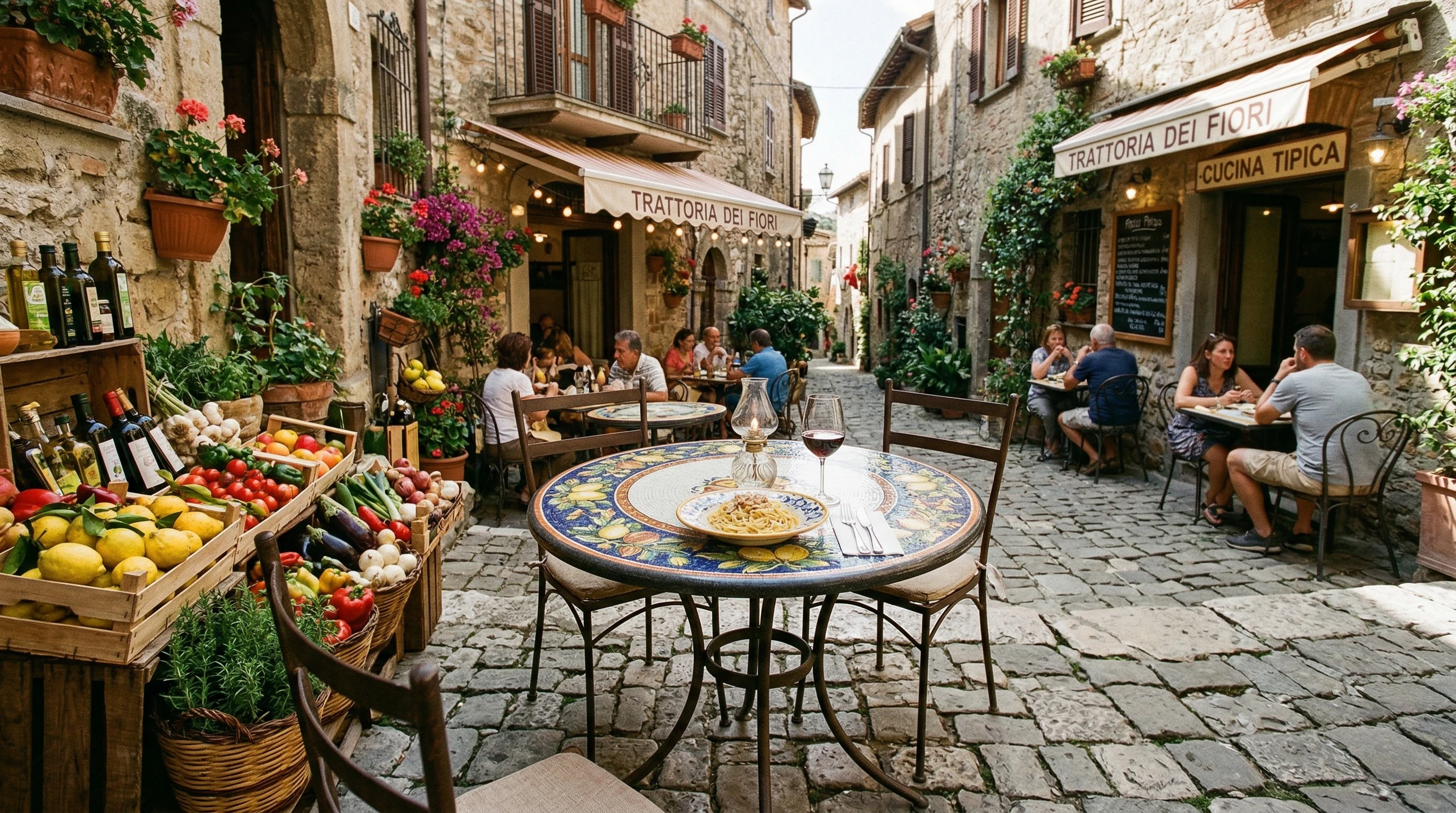
Why Tourist Trap Restaurants Are Common In Italy
Big Italian cities like Rome, Florence, and Venice stay crowded with visitors year-round. Where there are crowds, there are always businesses hoping to cash in—restaurants included. These places can charge high prices because tourists are hungry and often short on time to explore side streets for other options. Because customers likely won’t be back, there’s little motivation to offer great quality or genuine regional food. That’s how shortcuts make it onto menus, such as soggy pizza, bland pasta, and forgettable table wine.
High rent in areas right around major sights like the Colosseum or the Duomo is another reason. To cover expenses, owners sometimes cut corners on ingredient quality or depend on the constant flow of first-time visitors. While not every place beside a big attraction fits this description, the pattern is common, and I always think twice before grabbing a table right in a touristy square.
Common Signs Of A Tourist Trap Restaurant
Menus in multiple languages
Menus with English, French, Spanish, German, or even Russian translations may seem helpful, but in most towns across Italy, it’s usually a clear sign the place is focused on tourists. Authentic eateries tend to stick to Italian, maybe with a single English menu for visitors tucked in the back. Seeing a rainbow of languages front and center tells you who they’re targeting.
Staff trying to pull people inside
If the staff are standing outside, waving at passersby or offering to show you the menu, roll your eyes and keep moving. Locals know good food needs no sales pitch; regulars return because a restaurant delivers great dishes, not because someone lures them in off the street.
Photos of food displayed outside
When a restaurant’s entrance is plastered with big photos of spaghetti or lasagna, it’s often aiming for tourists. Genuine trattorias and osterias rarely feature glossy food displays. Sometimes, a faded handwritten list of daily specials is a better signal of good eats.
Restaurants located directly next to major attractions
If a restaurant sits right beside the Leaning Tower of Pisa or in the shadow of the Colosseum, chances are it’s set up to catch hungry people coming and going, not to serve up authentic cuisine. Convenient doesn’t always mean quality; the best meals often require a couple of side streets’ worth of wandering.
Large menus offering too many options
If you see a menu as thick as a novel, offering pizza, pasta, burgers, sushi, and even nachos, beware. Italian spots usually stick to local specialties—a few appetizers, a couple of pasta dishes, and seasonal mains. A menu pushing steak, seafood, and burgers all at once tries to please everybody and often misses the mark for real Italian cooking.
How Locals Choose Restaurants In Italy
Italians are serious about food. They know what separates a solid spot from a tourist cash grab, and I’ve learned many good habits from watching how they eat out.
Look for short, seasonal menus
Locals love compact, seasonal menus that change every few weeksLocals love compact, seasonal menus that change every few weeks. If you notice dishes using ingredients that are in season, that’s a reliable indicator the kitchen is buying fresh and cooking what’s best at the market. You might stumble upon artichoke specials in spring or mushrooms in the fall, not the same menu year-round.
Notice who is eating inside
Peeking inside, I see if there are Italians eating, or if it’s a room of tourists snapping photos of their wine. When a crowd of locals (especially older folks) fill the place, it’s a pretty sure bet it’s worth stopping. Locals tend to be regulars at their favorites, and a loyal customer base signals a winning spot.
Check opening hours and traditional meal times
Authentic places open for lunch between about 12:30 and 2:30 pm and then close until dinner, reopening around 7:00 pm or later. If a restaurant offers food nonstop all day long, or serves dinner at 5:00 pm, it’s usually catering to travelers. Sticking to Italian meal times improves your odds of finding the real deal.
Atmosphere and how long people linger
In genuine restaurants, people linger over coffee and conversation. The staff aren’t in a hurry to rush diners out. If you see tables filled for long stretches, with people enjoying a post-meal chat, that’s a great atmosphere. On the other hand, restaurants focused on speedy turnover and constant table flips probably aren’t about sharing tradition or community.
Why Eating Like A Local Makes A Big Difference
Eating where locals eat changes the entire experience of dining in ItalyEating where locals eat changes the entire experience of dining in Italy. Restaurants that cater mainly to residents usually focus on regional recipes, seasonal ingredients, and consistent quality rather than flashy menus designed for visitors. Portions, flavors, and cooking styles tend to reflect traditional Italian food culture rather than international expectations.
Another advantage is value for money. Local restaurants often offer better prices because they rely on repeat customers rather than one-time tourist visits. You’ll often find simpler menus, house wine served by the carafe, and dishes prepared according to local traditions.
Perhaps the biggest difference is the atmosphere. Dining like a local means enjoying a slower pace, friendly service, and a sense of community. Instead of rushing through a meal near a crowded landmark, you become part of the everyday rhythm of Italian life—sharing good food, conversation, and the authentic spirit of the neighborhood.
Simple Ways To Find Authentic Restaurants
Walk away from the main tourist routes
The farther you walk from the busiest landmarks, the better your chances. Budget an extra ten or fifteen minutes to wander away from crowds. Soon you’ll spot smaller cafés, trattorias, and neighborhood eateries that focus on locals and office workers rather than masses of camera-toting visitors.
Use Google Maps reviews—with care
Google reviews can be helpful, but use them wisely. Ignore ratings focused on proximity to famous sights or mentions of “fast service” and “English spoken.” Instead, look for comments about authenticity, homemade dishes, and a lively local crowd. Flip the reviews to Italian language first for on-the-ground insights you might miss in international posts.
Ask for suggestions from people who live there
The front desk at your hotel is often a goldmine for tips—if you ask for places where they’d eat, not where they send travelers. Asking baristas, cab drivers, or even folks working at the corner bakery can point you toward hidden gems. The best recommendations often come with a quick personal anecdote or a specific dish to try.
Seek out trattorias and small, familyrun spots
Look for trattorias, osterias, and enotecas—these small, familyrun places highlight regional food and tend to be genuinely personal. Owners often greet guests themselves, and you might see the same faces at lunchtime every day, a testament to their loyal following. These little places usually keep traditions alive; try one for a slice of local culture.
Venture into surrounding neighborhoods
Sometimes, districts just a few tram stops away from city centers are packed with authentic food. Don’t be shy about exploring outlying areas—sometimes the best meals are shared with locals in quieter squares or tucked-away alleyways. The walk or bus ride is well worth the added flavor.
Best Times To Eat Like A Local In Italy
Italians don’t eat on the run. Meals are slow and social, and restaurants follow a classic schedule. Lunch runs from about 12:30 to 2:30 pm, with restaurants closing afterward and reopening for dinner around 7:00 pm or even 8:00 pm. Showing up before the kitchen is open only marks you as a visitor, and you may miss out on the real food experience. Eating at peak hours means you’ll dine alongside locals—students, families, coworkers—which is always a plus for both food quality and atmosphere.
Touristy places might serve food at 4:00 pm or open extra-early for dinner, but if you adjust to the Italian rhythm, you’re more likely to end up somewhere special, blending in with real neighborhood life. Sharing these moments also gives you a deeper sense of Italian social customs and hospitality.
Quick Tips For Choosing A Great Restaurant
- Check for a compact, focused menu that features regional specialties
- Look for handwritten menus, especially boards with daily specials
- Notice if there are locals eating—especially older folks or multi-generational families
- Wander away from the busiest tourist paths and landmarks
- Read reviews to pick up on mentions of quality, vibe, and a local crowd
- Ask for advice—from hotel staff, local shopkeepers, drivers, or baristas
- Try neighborhood trattorias, osterias, and enotecas for an authentic touch
- Avoid restaurants with persistent staff or huge, glossy food photos outside
- Match your meal times with the locals for best eats and atmosphere
- Trust your gut—if a place feels overly polished or just too convenient, keep exploring
Extra Pro Tips For Authentic Dining
- Order the house wine by the carafe (vino della casa)—it’s often a local pride and better value than bottled brands.
- Don’t be afraid of simple décor; the best food is sometimes served in the most unpretentious spaces.
- Try regional dishes, even if they sound unfamiliar—Italy’s culinary diversity ensures there’s always something new to try!
- If you spot a queue of locals waiting for a table, stick around (within reason); it’s usually a good sign!
- Remember that slow service is often a mark of a relaxed, enjoyable meal—not inattentiveness.
Frequently Asked Questions
How do you know if a restaurant in Italy is a tourist trap?
A few signs usually stand out. Look for menus in tons of languages, big food photos in the windows or on sandwich boards, staff calling out to you at the entrance, and enormous menus offering dishes from pizza to sushi. If the crowd inside is mostly non-Italians and the place stays open all day, it’s likely aimed at tourists rather than locals.
Are restaurants near famous landmarks always bad?
No, not always. There are classic restaurants next to major sights that locals still love, especially in Rome and Florence. However, most high-traffic places prefer quick service and touristfriendly menus to attract crowds, rather than focusing on tradition and quality. It’s wise to be picky and do a little research.
Do locals eat at trattorias or restaurants?
Absolutely! Locals often prefer trattorias, osterias, and neighborhood spots, most known for their regional food and friendly feel. It’s perfectly normal in Italy to see crowds of locals sharing long lunches or dinners in these cozy settings, lingering over a few courses and great conversation.
Is tipping required in Italy?
Nope! Most bills include a service or “coperto” charge. If you had a great meal and service, it’s fine to leave a euro or two in change, or simply round up. In local hangouts, especially, small change or a thank you goes a long way.
What’s the best way to stumble upon hidden food gems in Italian cities?
Walk away from the big attractions, strike up a chat with the locals you meet, and don’t hesitate to pop into a small trattoria—even if it looks simple or oldschool. Those often hide outstanding flavors. Pay extra attention when you find a bustling eatery with paper tablecloths, a busy lunch crowd, and handwritten menus: you might just stumble upon your new favorite Italian meal.
Wrapping up, skipping tourist traps in Italy is less about luck and more about a little curiosity, some local insight, and a willingness to wander. Trust the cues, follow your nose down those quieter lanes, and enjoy the true Italian dining adventure—one plate at a time.