
Strolling into an Italian restaurant for the first time feels exciting. There’s that buzz of eager conversation, the smell of garlic and espresso, and those handwritten menus packed with words you might not recognize anywhere else. I totally get why some folks feel a bit lost when ordering food in Italy. Local dining runs on its own rhythms and traditions, and even the most well-traveled person might find it a bit confusing at first. The good news? Once you figure out the basics of ordering food in Italy and know what to expect, it all becomes straightforward—and a lot more fun.
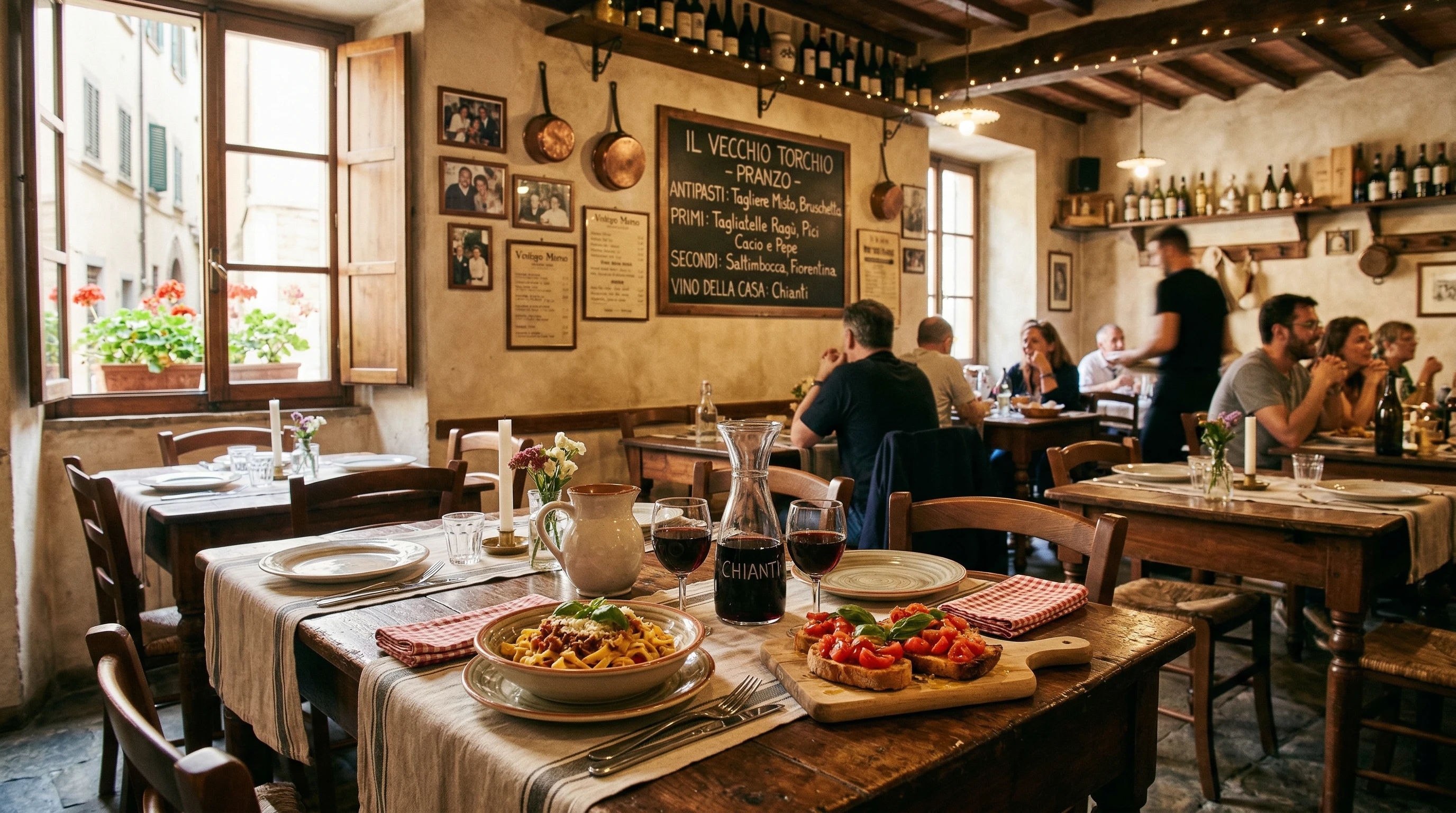
How Restaurants Work In Italy (Quick Overview)
Eating at a restaurant in Italy is usually a slower and more social experience than in many other countries. Meals are not meant to be rushed, and locals often spend a long time at the table enjoying conversation between courses. Italian menus are organized by courses rather than by main dishes with sides, which can feel unfamiliar for first-time visitors.
Instead of ordering everything at once, diners typically choose one or two courses depending on how hungry they are. It’s perfectly normal to order just a pasta dish or only a main course with a side. The important thing is to relax and enjoy the meal at a comfortable pace.
Here are a few basics that help you understand how Italian restaurants usually work:
• Meals follow a traditional course structure (antipasti, primi, secondi, contorni, dolci)
• Waiters usually won’t rush you or bring the bill automatically
• Bread and a small cover charge called coperto are common in many restaurants
• Water and wine are the most typical drinks with meals
• Dining is considered a social experience, not just a quick stop for food
Once you understand these basics, ordering food in Italy becomes much easier and far more enjoyable.
Why Ordering Food In Italy Can Feel Confusing
Anyone who’s visited Italy for the first time will probably agree that eating out here feels a lot different than back home. Italian dining isn’t about speed or big portion sizes. It’s more like an experience that’s meant to be lingered over, shared, and enjoyed with friends and family. There are a few things most travelers notice right away:
- Multiple courses: Italian meals are structured in a way that might look like a food marathon if you’re not used to it. There’s a set order: antipasti, primi, secondi, and so on, and sometimes you’ll see locals spending hours at the table.
- Menu structure: Italian menus break dishes into these formal courses, often without combination plates or set menus you might be used to elsewhere.
- Language barrier: Even if you know a little Italian, unraveling regional food words or handwritten specials can feel intimidating. Some places have English translations, but not always, especially in smaller towns or off the tourist trail.
I remember my first time at a trattoria near Lake Como, sitting in silence and glancing around to see what everyone else was doing. It’s a relatable moment, but honestly, once you get the hang of a few basics, you can order like you’ve been here all your life.
Understanding The Italian Meal Structure
Probably the trickiest part for most visitors is the structured meal format. Italian menus are split into sections, each representing a course, and there’s a certain flow to how locals order—even if they don’t eat one dish from every section. Here’s how it works:
- Antipasti – appetizers: Dishes like bruschetta, prosciutto, or small salads that are perfect for sharing.
- Primi – pasta, risotto, soup : The first course, usually carb-based dishes like pasta, risotto, gnocchi, or soup.
- Secondi – meat or fish: The main protein dish, such as grilled fish, steak, or chicken. Sides are ordered separately.
- Contorni – side dishes: Vegetables, salads, or potatoes served alongside secondi.
- Dolci – desserts: Classic Italian desserts like tiramisu, panna cotta, gelato, or fruit.
It’s common to pick and choose. Locals rarely tackle every course unless it’s a big occasion. Ordering just a primo, or a secondo with a contorno, is totally normal. Don’t feel pressured to order one of everything. The point is to enjoy yourself, not to stick to a script.
Simple Italian Phrases That Help When Ordering
Knowing a few polite Italian phrases goes a long way at restaurants. I’ve used these all over the country, from busy Roman eateries to small agriturismos in the countryside. They help break the ice and show respect to your hosts, even if you stumble a bit on the pronunciation.
- Vorrei… (vohr-RAY) – I would like…
- Per favore (pair fah-VOH-ray) – Please
- Il conto, per favore (eel KON-toh, pair fah-VOH-ray) – The bill, please
- Cos’è questo? (koh-ZAY KWAY-stoh) – What is this?
- Consiglia qualcosa? (con-SEEL-yah qual-KOH-sa) – Do you recommend something?
- Senza… (SEN-zah) – Without… e.g. senza formaggio (without cheese)
- Acqua naturale / Acqua frizzante (NAHtooRALE / frizANTE) – Still / sparkling water
Pronunciation in Italian is pretty straightforward: every vowel gets pronounced (so “vorrei” is vohr-RAY, roll the ‘r’ if you can manage it). Even if you make mistakes, Italians are usually patient and happy that you’re trying. Don’t stress too much, just speak slowly with a smile.
Step by Step: How To Order In An Italian Restaurant
The way meals unfold in Italy is a bit different from dining out in places like the US or UK. Here’s a simple guide to get you through a typical meal, all based on what I’ve experienced over dozens of dinners and lunches:
- Find a seat: In many smaller trattorias, you seat yourself if there’s no host. In more formal restaurants, wait at the entrance.
- Menu arrives: The waiter brings the menu (menù in Italian, sometimes called “la carta”). Menus sometimes have daily specials that the waiter explains aloud, so pay attention even if you don’t catch every word.
- Order drinks first: Usually you’ll be asked about drinks: “Desidera da bere?” (Would you like something to drink?) Start with water (still or sparkling) and maybe order wine by the glass, carafe, or bottle. House wine (vino della casa) is almost always good and reasonably priced.
- Choose your food: Take your time, nobody expects you to rush. If you want to start light, go for an antipasto, then decide if you want to follow with just a primo (pasta/risotto) or a secondo (meat/fish). Don’t forget a contorno if you want veggies or potatoes; these are usually listed after the main courses.
- Pace yourself: The meal moves slowly. Plates do not usually arrive at the same time if ordering different courses. It’s normal to ask questions or request the waiter’s opinion on dishes.
- Dessert and coffee: Once you finish your main courses, your server will ask about dolci (dessert). A little espresso (un caffè) is usually enjoyed after dessert, not before or during.
- Ask for the bill: Italians treat dining as a leisurely event, so waitstaff will almost never bring the check without you specifically asking for it: “Il conto, per favore.”
There’s no pressure to turn the table, so hang out as long as you like. Lingering is normal, especially at dinner.
What Tourists Often Order Wrong
Even experienced travelers slip into habits that can seem a bit odd, or just plainly annoy Italian waitstaff. I’ve been there and have learned these the awkward way! If you want to avoid sticking out, keep these in mind:
- Ordering cappuccino after dinner: In Italy, cappuccino is seen as a morning drink, usually paired with a pastry. Locals rarely, if ever, sip one after lunch or dinner.
- Expecting sides with the main dish: Unlike at home, a meat or fish dish is just that. No fries, salad, or veg riding side by side. If you want sides, order a contorno.
- Overordering: With the multicourse menu, it’s easy to think you need something from every category, but portions aren’t huge and you won’t be able to try everything anyway. Follow what locals at neighboring tables do.
- Rushing through meals: Eating out is a way to relax and enjoy company, so take your time. Asking for the bill before your plates are cleared or trying to speed things along sets a different tone than the local custom.
When in doubt, watch what the locals do. It’s like free research and can keep you from feeling out of place.
Typical Italian Drinks With Meals
Drinks at an Italian meal are super simple, but the local way takes some getting used to. Here’s how it usually goes:
- Water (acqua): You’re almost always offered water, either naturale (still) or frizzante (sparkling). Expect to pay for bottled water, which is normal and not expensive.
- Wine: The house wine (vino della casa) is often delicious, served by the glass, half liter, or bottle. If you want something more specific, Italy’s wine regions make it easy to try something local and unique to the area.
- Soft drinks: Coke and Fanta exist, but aren’t typical. If you want soda, ask for it specifically.
- Coffee: Order un caffè after your meal, which means a little shot of espresso. Italians almost never drink cappuccino after lunch or dinner; if you order one, don’t be surprised if you get a funny look.
For a full local vibe, go with water and the house red or white, then finish with an espresso. And if you see folks sipping a digestivo (like grappa, amaro, or limoncello) after a big meal, it’s part of the tradition but totally optional and meant to aid digestion.
How Much Food Should You Order?
Deciding how many courses to order can feel like a minefield the first time, so here’s a super practical breakdown for different moods or types of meals:
- For a light meal: Order just a primo (pasta, risotto, soup) and maybe a salad or coffee. Perfect for lunch or when you’ve got big plans for dinner or a food tour coming up.
- For a regular dinner: Go for antipasto shared between the table, then pick either a primo or secondo. Toss in a contorno if you want extra veggies or sides, and add a dessert if you’re feeling festive.
- For a celebration or Sunday meal: When it’s a special occasion, Italians might have several courses: antipasti, primo, secondo, contorno, and dessert. Don’t worry, portions are smaller than in some restaurants back home, so you can enjoy a little of everything without overdoing it.
Don’t be shy about splitting dishes or asking for smaller portions, especially in casual places. Sharing is part of the fun and makes for a more relaxed dining experience.
Restaurant Etiquette In Italy
The dining rituals here have a few unwritten rules. Knowing these really helps make you feel at home:
- Coperto: Most sitdown restaurants and trattorias in Italy add a small “coperto” charge to the bill. This is a cover charge that covers bread and table setup; usually a couple of euros per person. It’s totally normal and not a ripoff, just part of the local custom.
- Tipping: Tipping is appreciated, but not expected like in some other countries. Italians usually just round up the bill or leave a small amount; loose change for coffee or up to 10% for a long meal with great service.
- No rush: Dining out is slow and social. Waitstaff won’t bring the check until you ask, and you’re encouraged to stay as long as you like. Trying to hurry feels out of place, and relaxing at the table is part of the charm.
- Bread: Bread arrives automatically and is eaten plain or used to “fare la scarpetta,” which means wiping up sauce from your plate. Dipping bread in olive oil isn’t really an Italian tradition and will get you odd looks at local spots.
- No doggy bags: Taking leftovers home is uncommon, though some touristy places are catching on. If you really want one, ask politely, but don’t be surprised if it seems unusual or is not available.
Embracing these small details helps you fit right in, and honestly, it just makes the meal more relaxing and enjoyable.
Typical Italian Restaurant Menu Example
A typical restaurant menu in Italy might look something like this:
Antipasto
Bruschetta – €6
Primo
Spaghetti Carbonara – €12
Secondo
Grilled Sea Bass – €18
Contorno
Roasted Potatoes – €5
Frequently Asked Questions
Here are answers to a few questions I’ve heard a lot from folks traveling to Italy for the first time. Feel free to bookmark or save these for later:
Do you have to order every course in Italy?
Not at all. Italians rarely eat a full five course meal unless it’s a holiday or celebration. Picking just one or two dishes is perfectly normal and accepted everywhere.
Is tipping required in Italian restaurants?
Nope. Tipping is optional. Rounding up or leaving some coins for great service is enough. Service is sometimes included on the bill as “servizio,” so check first, especially in bigger cities.
Can you ask for the bill in Italy?
Yes. The check isn’t brought automatically. You’ll need to ask for it; just say, “Il conto, per favore.”
Is English understood in restaurants?
In restaurants in touristy areas or big cities, staff usually speak some English. In local spots, especially off the beaten path, basic Italian helps a lot. Using polite phrases and a smile always goes down well and shows respect.
Ordering food in Italy like a local isn’t about memorizing every rule. Once you understand how Italian restaurants work, dining out becomes one of the best parts of traveling through the country. Buon appetito!