
Italy is famous worldwide for its food, but actually finding a real Italian meal can be trickier than it seems. Just showing up at the nearest pasta place won’t always do it. Too many travelers stumble into flashy restaurants right next to iconic attractions and leave disappointed with overpriced, forgettable food. Learning to spot real restaurants is a game changer, turning a decent trip into a memorable eating adventure. So what separates the tourist traps from the local favorites? Read on for some tips to make sure you get the meals you’ll be thinking about for years. The good news? Once you know a few simple signs, spotting authentic Italian restaurants becomes surprisingly easy. Learning how to spot authentic Italian restaurants is a game changer…
Why Authentic Restaurants Matter In Italy
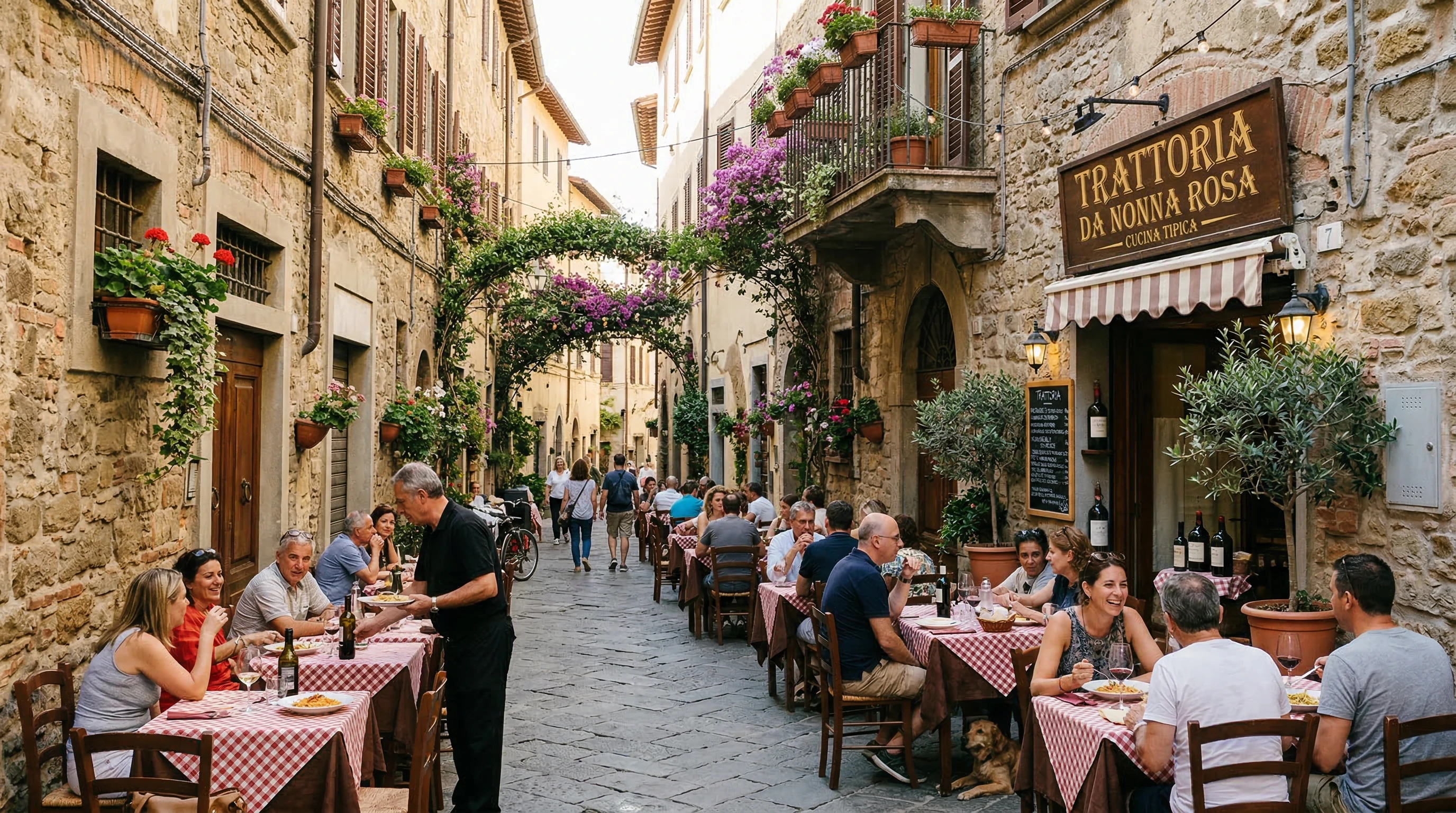
Eating in Italy goes well beyond just satisfying your hunger. It plays a big part in local life and allows you to connect with the traditions, stories, and history of the people. Walking into a real trattoria and sitting down for a proper Italian meal is a doorway into the heart of a city or village. Tourist-focused restaurants usually stick to a big, generic menu, aiming to appeal to everyone, but missing the real flavors Italians love. At authentic spots, the focus is always on excellent ingredients, friendly faces, and the fresh flavors of the region.
Eating a traditional Roman carbonara, carefully prepared by someone’s grandmother in a small kitchen, can be life-changing—totally different from a plate of spaghetti bolognese at a restaurant serving reheated dishes straight from the freezer. Authentic meals often start with bread that’s warm and freshly baked, a concise menu, and a room alive with the sounds of locals. Take your time, taste what’s in season, and soak up that laidback Italian approach to eating. It’s an experience that will stay with you.
Signs Of An Authentic Italian Restaurant
Once you know what to look for, you’ll start picking out the real spots with ease. Here’s how to make sure you’re not sitting down at a tourist trap:
- Short Menus: Truly Italian places offer a few starters, a handful of pasta options, maybe one or two main courses, and a simple dessert or two. If the menu fits on one page, you’re probably making a good choice.
- Fresh, Seasonal Ingredients: When what’s served changes each season, it’s a sign the chef cares about quality. Look for dishes made with wild mushrooms in autumn, artichokes in spring, or fresh tomatoes and eggplant in summer.
- Handwritten Specials: A chalkboard full of daily specials or a piece of paper taped near the entrance often points to a restaurant buying what’s best from the market that day. What’s written there probably won’t be found anywhere else.
- Locals Inside: Are Italian families eating here? Does it get noisy with laughter and excited conversation? Are people chatting in Italian with the staff? If yes, you’re in the right place.
- Traditional Names: Look for “trattoria”, “osteria”, “enoteca”, or “alimentari.” Family-run businesses with these names have often thrived by keeping their local customers happy—not just passing tourists.
Some of my favorite meals have been in places where the menu changes every day and the air is thick with the sound of locals talking.
If you’re unsure how Italian menus work, check out this guide on how to read an Italian restaurant menu.
Red Flags That Suggest A Tourist Restaurant
There are telltale signs that a restaurant is designed for tourists, not locals. Here’s what I notice most often when I want to avoid an underwhelming plate of food:
- Huge Multilingual Menus: Menus filled with pizzas, burgers, sushi, and international fare aren’t likely serving authentic food. The best trattorias keep things simple and focus on what they know best.
- Pictures of Every Dish Outside: If the restaurant front is filled with photos or plastic replicas of food, especially with captions in five languages, you can bet it’s aiming for tourists. Italians usually walk right past.
- Overeager Staff Luring You In: Someone trying to talk you into entering or waving a menu at you on the sidewalk is a warning sign. Real family-run spots are focused on cooking and regulars, not bringing in strangers.
- Prime Location Near Landmarks: The closer a restaurant is to huge attractions, the more likely it’s betting on foot traffic instead of quality. Try walking a few blocks away to boost your odds of finding a place that cares about every plate they serve.
Many of these spots are packed out at peak tourism hours, but nearly empty when locals usually eat. Pay attention to the dining crowd as a quick test.
Where Locals Usually Eat In Italian Cities
Locals don’t usually eat on the main tourist streets. Italian cities have unique neighborhoods, and the best meals are often found tucked down quiet alleys or in small piazzas away from the rush. In Rome, explore Trastevere; in Florence, try Oltrarno; in Milan, head for Navigli. In these areas, the pace is more relaxed, and restaurants build their reputations on cooking for neighbors, not just one-off visitors.
Don’t be fooled by an ordinary exterior. Some of the most delicious osterias are hidden behind plain signs or a few mismatched tables, but they’re packed night after night because regulars know the food is worth coming back for. Cozy atmosphere and food prepared with pride win out over trendy decor any day.
Trattorias, Osterias, Enotecas: What’s The Difference?
Understanding the main types of Italian eateries can help set your expectations and guide your choice for the evening. Here’s a quick guide:
- Trattoria: Relaxed, cozy, and sometimes familyrun, these spots serve classic comfort food—pasta, risotto, tender meats—all following recipes handed down for generations. Good value and hearty dishes are their trademarks.
- Osteria: Originally more about serving local wine, today’s osterias are informal places to grab a glass and some small bites or a simple homecooked meal. Their atmosphere is easygoing, their menus concise, and their focus always local.
- Enoteca: Wine bars that offer regional wines, meats, and cheeses. A perfect stop for a light snack, pre-dinner glass, or a relaxed way to sample local specialities. Enotecas are all about good company and memorable drinks.
- Rosticceria & Alimentari: Great for quick meals and takeaway, rosticcerias specialize in roast meats and sides. Alimentari are small grocers with deli counters, popular with locals for lunch or a simple dinner to go.
Once you know the difference, you can tailor your plans—whether you’re in the mood to linger over dinner or want a fast, tasty meal on the go.
Using Google Maps And Online Reviews The Right Way
Online reviews and tools like Google Maps make eating out in Italy much easier, but you’ll need to do a bit of digging to make sure the place is truly well-loved by locals. Tons of glowing reviews from travelers don’t always mean the food is authentic. Click to view reviews written in Italian to see if real locals are raving about specific seasonal dishes or family recipes. If you catch enthusiastic Italian praise for the lasagna or tiramisu, chances are you’re looking at a good bet.
Photos can give you even more clues. If most diners shown are tourists snapping meal pics, the place might be just chasing tourist dollars. But if you see tables surrounded by multigenerational Italian families or plates filled with foods you can’t quite identify, you’re probably closer to finding a hidden gem.
Best Times To Visit Local Restaurants
Eating in Italy follows its own rhythm. Most spots won’t open for dinner until 7:30 pm, with the busiest time often well after 8:00 pm. Lunch is generally served from 12:30 pm till about 2:30 pm. If you’re searching for dinner during the late afternoon or hoping to eat before 7 pm, you might end up at a spot aimed at tourists—locals aren’t eating that early. Some real trattorias shut their doors entirely between lunch and dinner to prep and rest.
The ideal plan? Book a table for prime hours, or arrive as doors open. If you show up early, you may see the kitchen in action and catch the smells of dinner coming together. That’s always a positive sign.
Extra Tips For Finding Great Food In Italy
- Venture several blocks away from the crowded sights before choosing where you eat.
- Favor spots buzzing with local chatter, where most voices around you speak Italian.
- Seek out menus featuring regional specialties or local ingredients the area is known for.
- Don’t judge a restaurant by its old-fashioned look. Some of the most mouthwatering dishes are served from kitchens that haven’t updated their style in decades.
- If you’re unsure what to order, ask staff what’s in season or their favorite dish today. Owners and cooks usually appreciate your curiosity and love to share their best recommendations.
- Check restaurant closing schedules. Many real trattorias are closed at least once a week, with Sunday or Monday as favorite days off.
Some of the best meals I’ve stumbled upon came from following local laughter, the scent of simmering sauce drifting down a side street, or simply trusting a friendly recommendation at a local bar or shop.
You can also learn more about how paying works in Italian restaurants here.
Bottom Line
The most memorable Italian meals happen in unpretentious eateries off busy tourist trails—places where food is about connecting families, friends, and neighbors. Walk a little farther, listen for laughter, glance inside to see who’s eating, and pay close attention to the menu. If you stay alert to these simple signs, you’ll find culinary treasures that will linger in your memory long after your Italian adventure ends. Finding authentic Italian restaurants isn’t hard once you know what to look for…
Frequently Asked Questions
How can I be sure a place isn’t a tourist trap?
Watch for menus packed with options in many languages, pushy staff inviting you in, and big displays of food photos. Check for locals inside and menus limited to local dishes and daily specials.
Is it rude to ask for a menu in English?
Not at all. Plenty of places have English menus, though small trattorias might only have Italian ones. Staff are usually warm and happy to help you figure out the menu or suggest favorite options.
Are pizzerias good choices for authentic food?
Absolutely. Real pizzerias are everywhere. Look for woodfired ovens, classic toppings, and just a handful of pizza options. If locals line up at the door or grab pizza to go, you’ve probably found a winner.
Can I ask locals for recommendations?
Yes! In fact, you should. Hotel staff, neighborhood shopkeepers, and even someone you meet at a café will often be pleased to suggest their favorite places—often out of the tourist center and consistently delicious.