
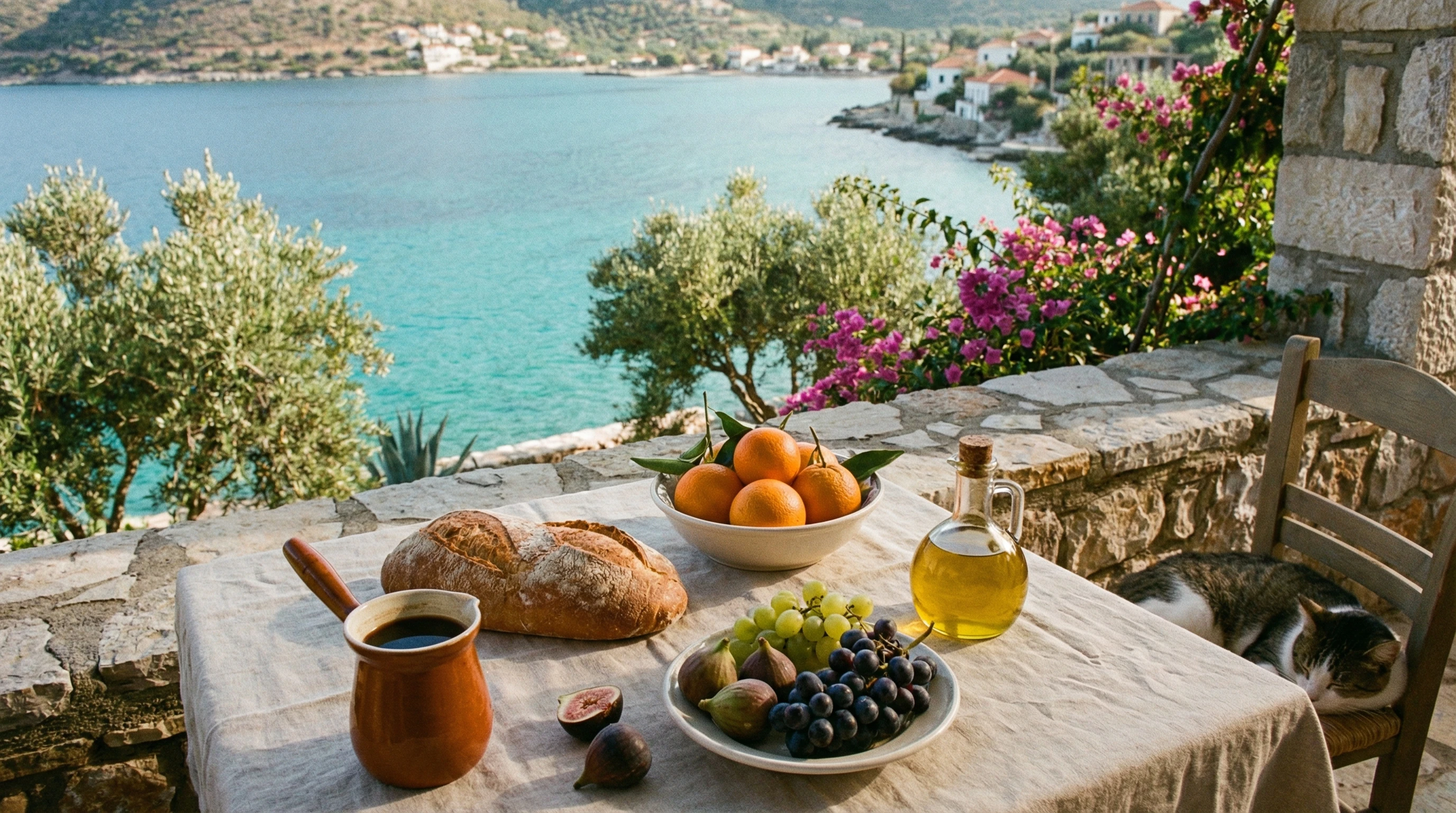
Mediterranean eating has a quiet rhythm that shapes the way locals live and savor every day. It’s not about strict meal times or rigid diet rules. Instead, it’s about weaving food into daily life with intention and a strong sense of community. The focus remains far from calorie counts or complex nutrition plans. Rather, Mediterranean people look to meal timing, balance, and social connection as the key ingredients that truly make their food habits work and last.
Why Mediterranean Meals Flow Through the Day
Structuring meals in the Mediterranean is more about following the rhythm of each day than hard-set rules. Eating links straight to the pace of life, local work hours, the climate, and even the changing seasons. Most locals grow up with this meal pattern almost like second nature. Meals mark out the day, with each one serving a special purpose—fueling the morning, gathering people together at lunchtime, and slowing things down in the evening.
This approach isn’t only about what people eat, but also about when and how they eat it. Numbers and food restrictions are not the focus. Time matters most—time to visit the market, prepare fresh food, and enjoy what’s served with family and friends. This lifestyle is probably why so many locals find it sustainable and natural in the long run.
Seasons can also mix things up. In summer, meals often stretch out even longer and include more fresh fruits or lighter plates to match the heat. In cooler months, you’ll spot more soups, stews, and heartier mains—but the flow from one meal to the next still centers on pausing and enjoying together.
Morning: Light Starts, No Rush
Coffee is the real star of Mediterranean mornings, whether a small cup of espresso in Italy, a glass of café au lait in France, or sweet Turkish coffee around Greece or Turkey. People might take their coffee at home, a corner cafe, or even stand at a bar on the way to work.
Breakfast remains simple and never rushed. Locals usually eat bread with olive oil or butter, a pastry or croissant, some seasonal fruit, and occasionally a bowl of yogurt topped with honey. Protein-rich or heavy breakfasts aren’t common. While you might feel a bit hungry at first by North American standards, this light start gently wakes up digestion and keeps energy steady until midday.
There’s a real upside to this habit. Heavy meals first thing can slow you down, while something light and easy tends to make mornings flow much smoother. By sticking to a few bites with coffee, most folks give their body a break yet still get to relish favorite flavors and the comfort of routine.
Midday: The Real Main Meal
Lunch is the highlight in many Mediterranean countries. Shops and offices often close or slow, letting people go home or meet in a trattoria or local cafe with family, friends, or coworkers. This meal can stretch to an hour or even two, and often includes several courses—usually plenty of vegetables, fish or meat, and a side of bread or pasta.
The structure of lunch keeps Mediterranean living truly unique. People seriously pause, take a full break from work, and always sit down for this meal. Long breaks at schools or offices are designed to make it easy. Eating slowly, talking at the table, and even resting afterward if possible all define the midday break.
These slow, social lunches do more than fill your stomach. They help knock down stress and can prevent that sleepy afternoon crash so common in faster-paced cultures. When meals become calm moments, both digestion and mood often get a nice boost.
Afternoon: Small Breaks, Not Overeating
After a substantial lunch, Mediterranean afternoons tend to stay light. Many locals grab another coffee, share a piece of fruit, or munch on a handful of nuts or a small baked treat. These aren’t mindless snacks, but planned pauses, sometimes with a friend or coworker, and never meant to replace a real meal.
Think of these as mini resets or additions to your day. Whether you’re relaxing at a sidewalk cafe or chatting with someone at work, the focus is a quick pick-me-up that lets you keep going. This habit eases the risk of an afternoon drop in energy and helps maintain a steady pace until dinner.
Evening: Long Dinners and Shared Plates
Dinner comes late, especially in southern Europe. Spain and Italy often begin dinner at 8 p.m. or much later. Instead of everyone getting one big plate, dinner features a spread of small dishes—salads, grilled vegetables, seafood, small pasta samplers, and bread.
The real magic at Mediterranean dinners is the social feel. Friends and family take their time, sharing stories, joking, and sipping wine or mineral water. There’s no rush to finish or clear the table. Even midweek, the dinner table serves as a relaxing space to talk and reconnect.
This way of eating never centers on piling your plate too high. Portions remain moderate, and conversation stays at the heart of the gathering. The relaxed dinner routine helps ease into rest and tends to improve both digestion and sleep.
Why This Daily Food Rhythm Works
- Better Digestion: Having meals at steady times means your digestive system gets breaks between each one. That keeps everything running smoothly and avoids the need for heavy snacks or eating late into the night.
- Lower Stress Hormones: Taking a real pause at lunch and eating with others helps your body relax, which knocks stress down. Being social boosts mood, too.
- Natural Portion Control: Eating slowly and keeping up conversation helps you feel full with less food. Smaller dinners balance out bigger lunches so things even out across the day.
- Better Sleep Quality: Lighter dinners and a laid-back pace cut heartburn risks and tough digestion at night. Heading to bed satisfied but not overstuffed means most folks sleep more soundly.
This rhythm isn’t about copying exact meals, but about changing how food fits into your day.
Tourists vs Locals: Where Things Go Wrong
Travelers may skip lunch, snack on the go, or try squeezing in dinner as early as possible before heading out at night. This usually cuts out the social, relaxed side of Mediterranean eating. If tourists eat quickly or only load up on food at night, they often feel off-balance and miss out on what makes local eating so special.
The Mediterranean meal rhythm runs on slowing down meals, eating together, and letting good food anchor the day. For anyone used to a grab-and-go routine, switching to this local pace can feel tough at first—but the upside is real. You’ll feel more connected, content, and in sync with the natural rhythm of Mediterranean life.
Can You Apply This Lifestyle Anywhere?
You don’t need blue waves nearby to bring this eating flow into your life. It mostly takes planning for real meals, cutting down on constant snacking, and making meals social when you can. Try turning off your phone for dinner, serving food family style, or going for lighter breakfasts and lunches instead of loading up just at night.
Maybe you can’t do a two-hour lunch break every day. Still, slowing down your meals and tuning out distractions is within anyone’s reach. Shared dinners with your housemates, quiet weekend breakfasts, or even a daily afternoon coffee can give your day the same steady rhythm as the Mediterranean—no matter where you live.
Different Mediterranean Countries, Different Food Rhythms
Each Mediterranean country puts its own mark on this daily routine. Portugal loves a late morning coffee and pastry, with a multicourse lunch as the mid-day star. Spain really stretches the day, with very late lunches and even later dinners, often paired with a siesta. Italians eat a feather-light breakfast, then a hearty lunch, and keep night meals cozy and shared. Southern France packs in long market lunches and relaxed, late dinners based on seasonal ingredients.
Every region, town, or even family gives the rhythm a unique twist. What always stays the same are meals as moments to pause, shared plates, and steady but flexible mealtimes that leave everyone well-fed and happy.
Keeping It Real: Mediterranean Food Culture
Mediterranean eating never tries to hit perfection, fuss about calories, or stick to rules. It’s all about understanding why locals slow down for meals, picking fresh and flavorful foods, and making meals social where possible. These gentle habits make healthier eating feel like a pleasure, not a chore.
Every region adds its own style to the table, with Italian food tradition being a prime example to check out next. From long lunches to market-fresh dinners, the daily rituals of these cultures show us how rewarding simple habits can be.
Common Questions About Mediterranean Meal Rhythms
Is meal timing more important than the food you eat?
Both matter, but Mediterranean cultures show that regular meal timing can help cut down on overeating and smooth out digestion. A consistent meal schedule, with whole foods at the center, makes it easier to fully enjoy what you eat.
Why do Mediterranean countries eat so late at night?
It’s all about climate, packed workdays, and strong social traditions. Cool evenings and fewer time pressures make it easy to linger over dinner and savor the moment.
Can this lifestyle work if I live outside the Mediterranean?
If you make time for true meals, eat with friends or family, and keep your snacks minimal, you can bring Mediterranean balance to any table worldwide.
Do Mediterranean locals snack less than people in other countries?
Definitely. Most locals just grab a coffee or some fruit for a short break, keeping the main focus on balanced, satisfying meals—rather than all-day snacking.