
Portuguese desserts bring comfort and celebration into every bite. The mix of creamy textures, gentle sweetness, and rich flavors makes traditional Portuguese sweets a highlight for any foodie traveling through Portugal. Whether you’re planning a trip or simply wondering what dessert to order next, exploring the best Portuguese desserts offers something for everyone. Think flaky pastries, silky puddings, and regional specialties perfected over generations.

Why Portuguese Desserts Are So Special
Baking in Portugal has deep historical roots, influenced by convent kitchens, Moorish traditions, and old-world techniques. Many of the country’s most famous sweets were created by nuns using leftover egg yolks after egg whites were used for starching clothes. These recipes became known as doces conventuais (convent sweets), and they remain must-try pastries today.
Portuguese desserts rely on simple but rich ingredients: egg yolks, sugar, cinnamon, almonds, and milk. Each region adds its own twist, but certain classics are loved nationwide. The result is a dessert culture that feels both nostalgic and indulgent at the same time.
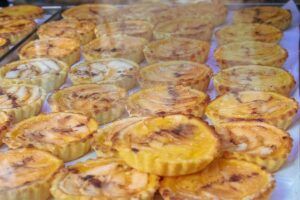
Pastel de Nata: Portugal’s Famous Custard Tart
Pastel de Nata easily wins the title of Portugal’s most iconic dessert. This flaky pastry shell filled with warm, creamy custard and finished with cinnamon or powdered sugar is impossible to resist.
The story begins in the early 1800s at Jerónimos Monastery in Belém. When the monastery closed, monks passed their secret recipe to a nearby bakery. That bakery—now called Pastéis de Belém—still guards the original recipe and draws huge crowds every day.
Locals love them warm from the oven, but they’re just as good cooled as a travel snack.
Where to find the best Pastel de Nata in Lisbon:
- Pastéis de Belém (original recipe)
- Manteigaria
-
Fábrica da Nata
Arroz Doce: Portuguese Rice Pudding
Arroz Doce is a creamy rice pudding served at family gatherings and holiday meals. Made with short-grain rice, milk, lemon zest, and sugar, it’s finished with decorative cinnamon patterns on top.
You’ll often see it at Christmas and Easter next to Rabanadas (Portuguese French toast) and Aletria (vermicelli pudding). It’s naturally gluten-free and easy to recreate at home, making it one of the most comforting Portuguese desserts.
Queijadas, Pudim & Classic Cakes
Portuguese bakeries are full of egg-based cakes and custards:
- Queijadas – Mini cheesecakes made with fresh cheese (requeijão), eggs, and sugar. Sintra’s version is especially famous.
- Pão de Ló – A light sponge cake, sometimes served with a gooey center.
- Pudim – Portuguese flan, dense and rich.
- Pudim Abade de Priscos – A legendary version made with bacon fat, port wine, and caramel. Surprisingly addictive!
Bolo de Bolacha: No-Bake Coffee Biscuit Cake
Bolo de Bolacha is a classic no-bake dessert made with Maria biscuits soaked in coffee and layered with buttercream. It’s popular for birthdays and Sunday lunches.
Some versions add whipped cream or chocolate. Depending on the biscuits used, it can be gluten-free. It keeps well in the fridge and is super easy to make at home.
Regional Portuguese Desserts
Each region has its own sweet specialties:
Azores
- Queijadas da Vila
-
Bolo Lêvedo (sweet muffin bread)
Madeira
- Bolo de Mel (spiced honey cake)
-
Broas de Mel (honey cookies)
Northern Portugal
- Mexidos (bread, honey, nuts & port dessert)
Beaches & Summer
- Bola de Berlim (custard-filled donuts sold by beach vendors)
Where to Find the Best Desserts in Portugal
Step into any pastelaria and you’ll find a display of freshly baked treats. Some famous spots:
- Pastéis de Belém (Lisbon) – Original custard tarts
- Manteigaria (Lisbon) – Open kitchen & crispy tarts
- Café Majestic (Porto) – Historic café & classic cakes
- Confeitaria Nacional (Lisbon) – One of the oldest bakeries
-
Padaria Ribeiro (Porto) – Regional sweets & convent desserts
Local markets and festivals are also perfect places to discover seasonal treats and talk to bakers who keep family recipes alive.
Budget Tips for Dessert Lovers
Portuguese desserts are very affordable:
- Pastel de Nata: €1–€1.50
- Rice pudding & queijadas: just a few euros
-
Pair with a bica (espresso) for a true local experience
Sharing dessert boxes lets you taste more without overspending.
Frequently Asked Questions
What is the most popular Portuguese dessert?
Pastel de Nata is the most famous Portuguese dessert, loved for its creamy custard filling and crispy pastry.
Are Portuguese desserts gluten-free?
Some are naturally gluten-free, like arroz doce and almond-based cakes, but always check ingredients.
Where can I find the best pastel de nata in Lisbon?
Pastéis de Belém, Manteigaria, and Fábrica da Nata are top-rated spots.
Are Portuguese desserts very sweet?
Most are rich but balanced, not overly sugary.
The Sweet Side of Portuguese Food Culture
Desserts in Portugal are about more than sugar—they mark celebrations, family moments, and everyday coffee breaks. Whether you’re enjoying a warm custard tart on the street or sharing arroz doce at home, each bite tells a story of tradition and care.
Exploring Portuguese sweets is one of the tastiest ways to understand the country’s culture. From flaky pastries to creamy puddings, every dessert reflects Portugal’s love for simple ingredients transformed into something special.