
If you’ve ever traveled to Portugal, you know there’s a constant internal debate: do you check out the tiny cafés and street food stalls, or do you sit down at a classic local restaurant known as a “tasca”? I’ve spent plenty of time wandering the backstreets of Lisbon, Porto, and smaller towns across the country, and I’ve always wondered—where do locals really eat in Portugal? Here’s what I’ve learned about the difference between Portuguese street food and traditional restaurants, and how locals actually approach daily meals.
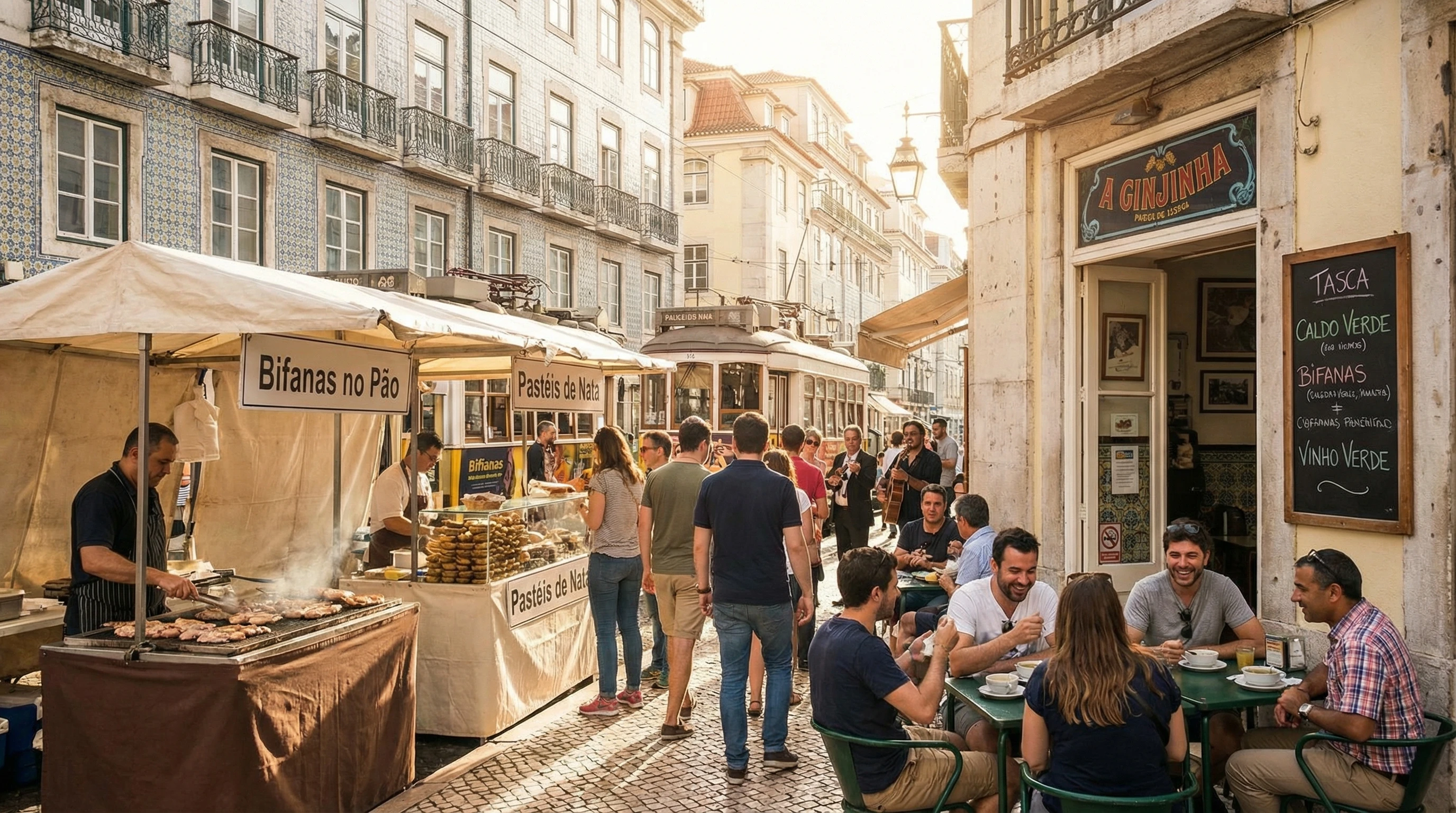
Portuguese Street Food: What Locals Grab on the Go
When I think of street food in Portugal, it’s not always food trucks or popup tents. Street food here unfolds through small bakeries, snack counters, festivals, kiosks, and even the counter at the local café. Unlike in some countries, Portuguese street food stalls aren’t lined up on every major corner, but they’re there if you know what to look for. During festas (the lively local festivals), you’ll spot all kinds of stalls grilling sardines, frying pasteis de bacalhau, or ladling bowls of caldo verde soup.
The most common places for street eats include:
- Kiosks and pastelarias: These little shops serve quick snacks—think pastéis de nata (those creamy custard tarts), croquettes, or a glass of bica (espresso), often eaten at the counter or on a nearby bench.
- Bakeries: The true heroes of Portuguese street food, bakeries churn out fresh pão com chouriço, rissóis (shrimp or meat turnovers), and more.
- Markets and festivals: When a festivity rolls through, that’s when you see true street food energy. You’ll definitely want to try a bifana sandwich (spicy pork on a roll) or caldo verde soup at these pop up stalls. The food is fast, full of flavor, and captures the spirit of the moment.
Street food is pretty handy for breakfast, quick lunches, or late-night cravings (especially after a night out). Everything’s ready to eat and usually portable, so it works great if you’re exploring. And if you’re wondering about local petiscos (small plate snacks), these are often served in bars and cafés that blur the line between a restaurant and a snack joint.
On the flip side, street food has its quirks. Sometimes the variety is limited compared to a full menu restaurant, and seating is not always available. Still, it’s one of the best ways to eat like a local in Portugal without overthinking it. Notably, the joy of snacking on a hot pastel de nata from a busy bakery or munching a bifana at a festival can’t be understated—these experiences let you get a real taste of local life.
Street food is not just about the food itself, but also about the atmosphere. On sunny days, parks and plazas fill up with locals grabbing a quick bite, chatting with friends, and basking in the easygoing charm of Portuguese daily life. It’s casual, affordable, and incredibly satisfying, blending taste and authenticity in a way few other food cultures can match.
Traditional Restaurants and Tascas: The Heart of Local Dining
Ask any local where to find the best cheap local food in Portugal, and they’ll likely point you to a “tasca.” These are cozy, homey restaurants that serve up daily specials and local classics. When you hear “tasca meaning Portugal”—think friendly staff, handwritten menus, and regulars chatting at the bar. The vibe is relaxed, and there’s never any rush to leave your table.
The “prato do dia” (dish of the day) is a staple of these spots. Every weekday, the cook prepares a few different mains—maybe grilled sardines, arroz de pato (duck rice), or hearty feijoada, accompanied by soup, enough bread to last all day, a drink, and sometimes dessert, all for a wallet-friendly price. On most days, locals pack into their neighborhood tasca for lunch, treating themselves to this rotating daily special.
Eating at a tasca is as much about the atmosphere as the food. It’s common to see friends and family sharing long lunches. The staff will likely know most diners by name. Some tascas serve a huge menu with petiscos, while others keep things simple with a handful of main courses. Either way, these restaurants are a big reason why eating out is part of daily life in Portugal.
Locals love tascas for their consistent quality, affordability, and a sense of community that chain restaurants just can’t match. It’s also where you’ll stumble upon classic Portuguese comfort food, from caldo verde soup to grilled meats and fresh fish. Tascas maintain traditions in both recipes and service, making every meal feel like a celebration of Portuguese heritage.
On weekends, families might gather for a big lunch, sometimes extending the meal into the afternoon. These traditions make tascas beloved institutions, far removed from the formality of upscale dining. It’s not about fine linens but honest food and genuine company.
Price Comparison: Street Food vs Tasca vs Tourist Restaurants
If you’re keeping an eye on your wallet, Portugal is a dream destination for locals and visitors alike. Here’s a snapshot of what you’ll usually spend in different places:
- Street food or bakery snack: €1-€3 for a pastry, €3-€5 for a bifana or quick sandwich, €1 for espresso.
- Tasca lunch menu (prato do dia): €7-€12 for soup, main, bread, and a drink—seriously good value for a sitdown meal.
- Tourist restaurant (main square or waterfront): €15-€25+ per person, often without drinks or extras, especially in the most popular areas.
That means you could easily eat local food on a €10-€15 daily budget if you stick to snack counters and tascas. Even dinner in a tasca with a glass of wine rarely breaks the bank. The affordability combined with real local flavors explains why tourists and residents alike flock to these venues. Don’t be surprised if you find yourself lingering over dessert, enjoying the relaxed pace and sense of belonging.
For budget travelers, markets and bakeries offer a steady supply of filling, fresh staples. From sandwiches to sweet pastries, it’s both economical and delicious. Foodies looking to splurge can check out high-end restaurants, but for most, the heart—and soul—of Portuguese food is best found in these authentic, everyday stops.
Experience Comparison: Speed, Atmosphere, and Authenticity
Street food wins for speed. Grab and go, eat on a bench in the park or standing on the sidewalk. It’s great if you’re rushing around town, sightseeing, or just want a quick bite. There aren’t many frills; everything is quick, cheap, and classic. Authenticity is high if you stick to local spots. The bifana sandwiches from a busy festival stall, for instance, are just unbeatable.
Tascas are more of a sitdown experience, and locals love to linger over lunch. These tiny eateries are alive with chatter, and you might be squeezed between university students and retirees. The food here is homemade and the atmosphere is unmistakably local. If you’re after real-deal Portuguese cooking, like caldo verde soup or a plate of grilled sardines, this is where you’ll track it down.
Fine dining is a whole different vibe (and budget). If you’re comparing Portuguese street food vs fine dining, the difference is huge. High-end spots may offer creative twists on classic dishes, but locals usually stick to these places for a celebration, not everyday meals.
Part of what makes dining in Portugal so enjoyable is the natural rhythm; you can snack standing up or linger for hours in a tasca. Locals effortlessly switch from a quick pastry in the morning to a leisurely lunch in the afternoon, all while prioritizing simple, honest flavors. Dining out is woven into daily routine; it’s not just a treat but a way to connect and unwind.
Where Tourists Get It Wrong
New visitors often walk into obvious tourist traps, especially near waterfronts or city centers. That restaurant with views of the river and a full English menu? Locals only step inside if they’re meeting up with international friends. These spots might charge double for a simple steak, which you can get elsewhere for half the price and twice the flavor.
Look out for restaurants where the main menu is in perfect English, and there are pictures on every page. It’s a clear signal that it’s focused on tourists, not local diners. Paying €5 for a bottle of water or €18 for grilled chicken is a fast way to overpay for basics you’ll find much cheaper off the beaten path. If you’re looking to eat like a local in Portugal, skip these in favor of counters, bakeries, or familyrun tascas a block or two away from the main squares.
For a better experience, wander a bit farther from major attractions. Step into a tasca filled with locals, try the menu of the day, and don’t worry if the menu isn’t in English—pointing, a smile, and curiosity are your best tools. The rewards are flavorful meals, true Portuguese hospitality, and prices that won’t empty your pocket.
So, Where Do Locals Actually Eat?
- Locals usually:
• grab pastries at bakeries in the morning
• eat prato do dia at neighborhood tascas for lunch
• snack on street food during festivals or evenings out
There’s a bit of an “it depends” factor. If the weather’s good or there’s a festival, everyone’s outside with street food in hand. On workdays, tascas are packed by noon with regulars grabbing the daily special. But evenings may also see families gathering in tascas for dinner, enjoying staples like bacalhau à brás or grilled chicken with sides. Food is not just sustenance—it’s an event and a chance to connect.
Locals are experts at making the most of both worlds. They’ll start their day with a quick espresso and pastry, feast on a hearty lunch at a familiar tasca, then swing by a festival stall or click glasses in a bustling bar. This mix brings variety to meals throughout the week and ensures the best of both quick bites and satisfying sitdown feasts.
Quick Answers: Portuguese Dining FAQ
Is street food cheaper than restaurants in Portugal?
The majority of the time, yes. A street snack or sandwich is usually cheaper than a sitdown meal. Still, a proper tasca lunch special competes closely on value, especially considering how much food you get.
Are tascas touristfriendly?
Most tascas welcome tourists, but not all have English menus. Staff are usually friendly and used to visitors, so just don’t expect fancy service or a perfectly polished experience. Show some curiosity and maybe brush up on a few Portuguese words—locals will appreciate it.
Can you eat like a local without speaking Portuguese?
Absolutely! Pointing goes a long way, and most places are patient with visitors. Learning food words (like “prato do dia,” “bifana,” or “caldo verde”) is super helpful. In bakeries and tascas, watch what locals order and follow their lead—it’s an easy way to get authentic Portuguese street food versus restaurants experience without stressing over the language. Don’t be shy about asking or gesturing; you’ll likely get a smile and maybe even a recommendation in reply.
Wrapping up, blending street food and tasca dining is the best way to eat like a local in Portugal. Try both styles—one fills you up fast, the other makes you feel at home and part of the community. Whether it’s a fresh custard tart eaten on the go or a steaming bowl of soup accompanied by the hum of local chatter, Portuguese food culture invites you to taste, linger, and savor every moment.