
Dining in Italy stands out as one of my favorite travel experiences. The rituals and traditions found at the Italian table reach far beyond just what lands on your plate. During my first visit, I quickly realized how much locals care about meal structure, proper manners, and showing respect for their culture while eating. Even tasks that seem simple—such as ordering a coffee or splitting a pizza—require careful attention. Getting familiar with these customs not only helps you avoid awkward moments, but also adds joy to every meal.
This guide lays out Italian dining etiquette, shaped by a local’s perspective and my own experiences. It covers common rules and unspoken traditions found in most Italian restaurants, offering tips on restaurant culture, ordering, what to expect at the table, payment and tipping, and mistakes that tourists often make. If you want to feel confident eating out in Italy—without standing out for the wrong reasons—these practical examples and tips will help you eat like a local. Italian dining etiquette is based on respect for tradition, structured meal courses, slow dining, and simple table manners. Key rules include avoiding cappuccino after meals, following the order of courses, not requesting major menu changes, and respecting the relaxed pace of Italian restaurants.
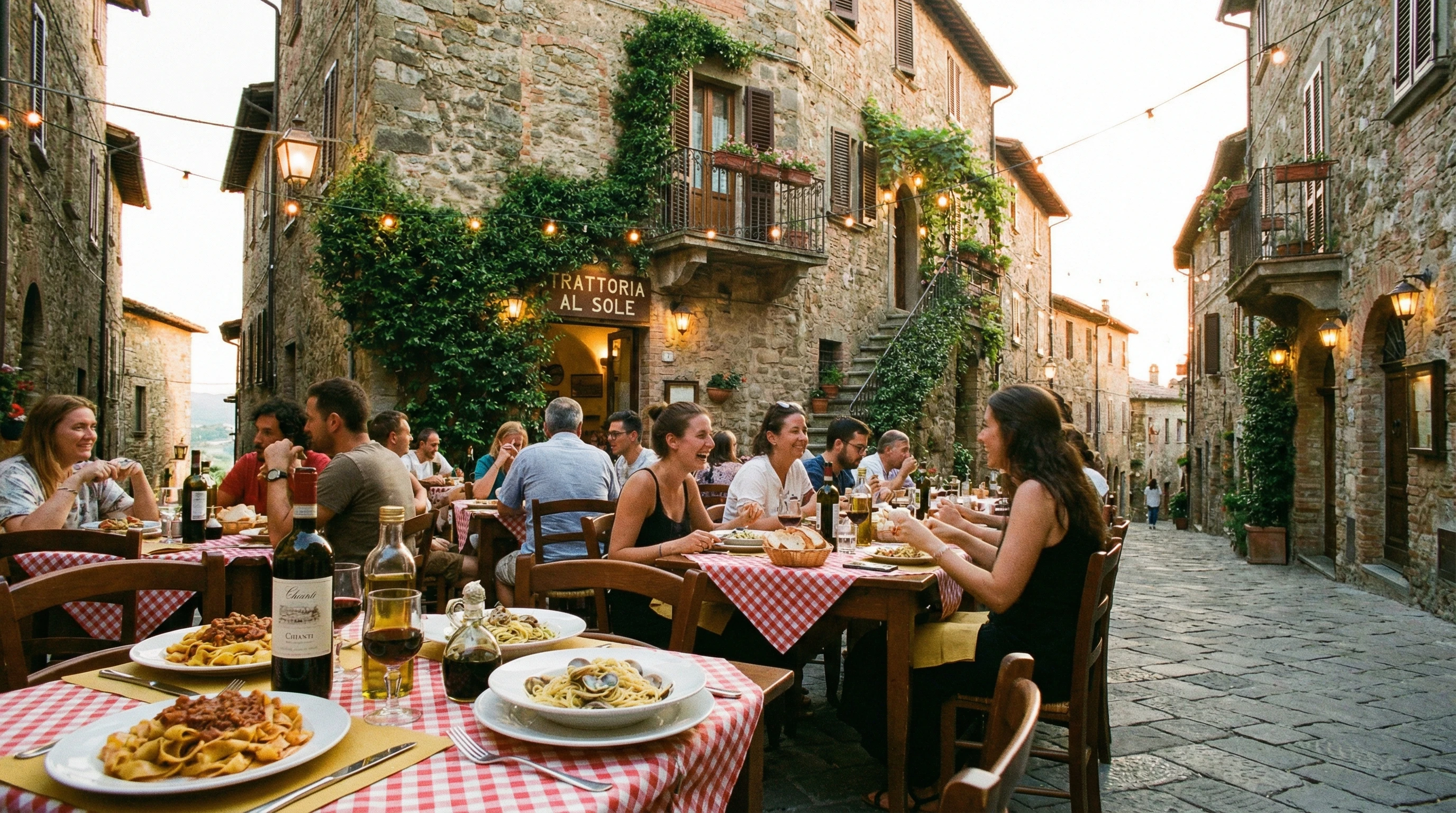
Italian Dining Etiquette: Why Table Manners Matter In Italy
Meals in Italy are about more than just eating. Sitting down for a meal is a chance to connect with family or friends. It’s a pause in the day—a time to slow down, share stories, and appreciate quality ingredients. Meals also show respect for longstanding traditions, some dating back centuries.
Compared to places where eating can be rushed or just a way to fuel up, Italian meal culture expects everyone at the table to savor each course, talk, and relax. Locals frequently spend hours at lunch or dinner, facing little pressure to finish in a hurry. In restaurants, slow service is not bad service; rather, it’s how Italians expect meals to be enjoyed. Social rituals like waiting for everyone’s dish to arrive before eating and following important traditions matter. Respecting these unwritten rules shows you appreciate local food culture and helps you blend in rather than stand out.
Typical Italian Meal Structure (Understanding the Order of Courses)
In Italy, meals often stick to a well-defined sequence of coursesIn Italy, meals often stick to a well-defined sequence of courses. You don’t have to order every course—Italians often skip some or switch things up depending on the occasion—but knowing this structure helps you order confidently and avoid confusion.
Antipasto (starter)
A meal begins with a light starter called antipasto. Options include cured meats, cheeses, olives, marinated veggies, or seafood bites. I like to order antipasti when with a group, as it lets us taste a few local specialties before the main meal starts.
Primo (pasta, risotto, soup)
The primo is the first main course, usually a hot dish such as pasta, risotto, gnocchi, or sometimes soup. Pasta is never a side dish in Italy—it is always its own, stand-alone course. Portion sizes for primi are smaller than what you might expect in the US or UK.
Secondo (meat or fish)
Next comes the secondo: a main protein dish of meat or fish. Chicken, beef, pork, lamb, and seafood are all popular choices, with each region offering unique specialties. Usually, the secondo is served alone, with no sides on the plate.
Contorno (side dishes)
If you want veggies, salad, or potatoes, these are called contorni and must be ordered separately. Some visitors are surprised when the protein arrives by itself, but this is standard practice across Italy.
Dolce (dessert)
Dessert ranges from fresh fruit to rich sweets such as tiramisu, panna cotta, or gelato. Italians really know how to balance a sweet finish with lighter options, depending on the meal.
Coffee and digestivo
After the meal, Italians tend to close with an espresso, never a coffee with milk. Some will have a digestivo—a tiny glass of herbal liquor such as limoncello, amaro, or grappa to help with digestion. There is no pressure to order every course. Many people choose two or three, and mixing based on your appetite or the time of day is just fine.
How To Order Food In Italy Like A Local
Ordering meals in Italy feels a bit different than in North America or the UK. Menus are arranged by antipasti, primi, secondi, contorni, and dolci, reflecting tradition. It’s completely normal to order only the dishes you’re hungry for—no one will judge if you stick to just a main or a pasta course.
If the choices overwhelm, ask the server for recommendations. This way, you’ll often stumble upon house specialties or dishes made from fresh, seasonal ingredients. Chefs and waiters in Italy are proud of their products and happy to share what is best that day. Seasonal menus (“piatti di stagione”) and daily specials (“menu del giorno” or “piatto del giorno”) are most common in smaller, family-run trattorias and osterias. Picking these specials is one of my favorite ways to taste local flavors beyond the tourist menu.
Water is handled separately—expect to be asked if you prefer “naturale” (still) or “frizzante” (sparkling). Tap water (“acqua del rubinetto”) is only served if you ask, and it’s typical to be charged for bottled water.
Ordering several courses is common for lunch or dinner, but you can enjoy just one dish, especially at lunchtime, without issue. Try not to make lots of menu substitutions (like swapping sauces or switching up ingredients)—Italian kitchens rarely rework their classic recipes. If you have dietary concerns, mention them politely to see what the kitchen can make for you.
Italian Table Manners Visitors Should Know
Little habits and customs matter at the Italian table. I notice these details every time I eat in Italy, and they’re a way to show respect for tradition and your host. Here are some basics to help avoid awkward situations:
- No cappuccino after meals: Cappuccino is a breakfast drink only. Espresso rules after a meal—never milk.
- Bread isn’t for pasta: Bread is enjoyed with antipasto or for “fare la scarpetta” (mopping up sauce) when the pasta dish is finished, not while eating pasta.
- Parmesan rules: Don’t ask for cheese on seafood dishes. Doing so is seen as disrespectful to the chef. In fact, some places will simply say no.
- Eat slowly: Meals are for lingering. It’s not polite to rush, and you’re expected to enjoy the food while being present.
- Phone etiquette: Taking calls during meals or focusing on your phone is frowned upon. Meals are about connecting with your company.
- Sharing food: Italians value group meals, but sharing between plates is less common at formal restaurants. In casual spots like pizzerias, sharing is just fine, as long as you check if it’s appropriate first. In some cases, waiters can split dishes onto separate plates—just ask nicely.
Tipping Culture in Italy (Do You Tip?)
Tipping happens differently in Italy compared to North America. Service is generally part of your bill, but it’s easy to get confused about when or how much to leave.
- Coperto: Restaurants add a “coperto” charge (usually one to three euros) to cover bread and the table setting. This isn’t a tip, just a standard fee.
- Service charge (“servizio”): In fancier or tourist-centered restaurants, a further “servizio incluso” charge appears. This works as a built-in tip.
- When extra tipping is optional: Rounding up or leaving small change (e.g., on a €36 bill, rounding to €38 or €40) is appreciated if the service was friendly, but big tips are not expected.
- Differences vs. US tipping culture: Italian waitstaff are paid a living wage and do not rely on tips. Large tips are rare and may even confuse servers.
How Restaurant Timing Works in Italy
Meal times in Italy stick to their own rhythm. Lunch runs from about 12:30 to 2:30pm, and dinner never kicks off before 7:30pm—often later. Most restaurants close in the afternoon for staff to rest and prep for evening service. Strolling in at 6:00pm and hoping for dinner is a classic tourist misstep. Kitchens just aren’t open yet. To avoid disappointment, plan ahead—check hours and consider booking a table for dinner, especially on weekends or during busy periods. Many locals book well in advance for holidays or special occasions.
Italian Coffee Etiquette: Rules After Meals
Italian coffee habits deserve close attention! After lunch or dinner, it’s customary to have a small espresso (“caffè”). Ordering a cappuccino or any milk coffee after 11:00am raises eyebrows since these drinks are for breakfast only. Another tip—most Italians enjoy coffee standing at the bar (“al banco”), which is not only quicker but also cheaper. Sitting in tourist areas can cost double or more. Coffee here is a short, sweet ritual, not a lingering break. Want a local breakfast tip?Want a local breakfast tip? Pair your morning coffee with a cornetto pastry; it’s a great local habit. (If you need more details, check out articles about Italian breakfasts or food culture.)
Common Tourist Mistakes in Italian Restaurants
Plenty of visitors unknowingly call attention to themselves due to simple habits. Here are common mistakes I try to sidestep:
- Rushing through meals: Expecting rapid service or a “fast food” pace is a quick way to get frustrated. Relax—it’s all about enjoying the moment.Relax—it’s all about enjoying the moment.
- Ordering the wrong coffee: Cappuccino after lunch or dinner signals you’re not local.
- Requesting many menu changes: Chefs pride themselves on tradition and almost never swap ingredients.
- Asking for takeout boxes: While pizza to go is fine, asking to box up leftovers in formal settings is rare and can seem unusual. Things are changing a bit, but it’s still not mainstream in sit-down spots.
- Misreading service pace: Waiting for constant waiter attention is not the norm—restaurants expect you to relax. When you need something or finish, simply signal or request the bill.
How to Eat Like a Local in Italy (Simple Tips)
Blending in at an Italian restaurant doesn’t require a complicated approach. Here’s what works for me:
- Eat at local hours; expect late dinners and relaxed lunches.
- Order what’s in season, or ask for the daily special for a fresh surprise.
- Slow down and savor every part of the meal—including the company!
- Ask waiters for their favorite dish or what’s best that day. Trust their advice.
- Stick to the Italian meal structure. Skip combining bread with pasta or cheese on seafood.
- Order water and wine up front, so you’re not chasing down the server later in the meal.
Dining Etiquette Differences Across Italy (North vs South)
Customs change from region to region. In the north (Lombardy, Veneto), meals are more formal and the service leans toward efficiency. Diners are expected to keep to set meal times. In the south (Sicily, Puglia, Campania), dining becomes even more social and often continues late into the evening. Meals here can feel like lively parties where conversation often matters more than the food itself. Despite a relaxed vibe, traditions and respect for local dishes hold strong everywhere. Whenever unsure, I watch the locals and follow their example.
Wrapping Up
Dining in Italy means savoring food, enjoying good company, and respecting the traditions that turn a meal into something memorable. Focusing on local etiquette helps travelers feel comfortable, dodge awkward moments, and soak in Italian food culture at its best. Every meal is a chance to connect with local life, create lasting memories, and embrace the magic of Italian dining—one delicious course at a time.
Quick Italian Dining Etiquette Rules
• No cappuccino after meals
• Follow the Italian course structure
• Don’t ask for cheese on seafood
• Eat slowly and enjoy the experience
• Avoid major menu substitutions
• Expect relaxed restaurant service
• Tip only small amounts or round up
I’ve learned these customs through personal travel experiences and conversations with locals across Italy.
Frequently Asked Questions
Below are some questions I hear often about eating in Italy, alongside honest answers based on my experience and local advice.
Do Italians tip in restaurants?
Large tips aren’t the norm. Extra change or rounding up the total is common, especially for good service. Most sit-down places fold a “service” or “coperto” fee into the bill already.
Is it rude to split the bill in Italy?
Dividing up the check isn’t as standard as elsewhere. If it’s needed, just let your waiter know up front. Among locals, people often take turns paying for the group rather than splitting.
Can you customize dishes in Italy?
Swapping or switching ingredients is unusual. Italian cuisine sticks close to traditional recipes and chefs don’t usually go for swaps. If you have allergies or dietary needs, spell these out and the kitchen may have a solution, but expect limits.
Why is service slower in Italian restaurants?
Service in Italy is designed to give you time to relax and take in the full dining experience. Waiters won’t interrupt your meal unless you ask. When you need assistance or the bill (“il conto, per favore”), just signal for your server.