
If you’re curious about what really makes Italian food culture so special, you’re in for a treat. The daily rituals around meals shape how Italians live, work, and even connect with each other. It’s more than learning grandma’s secret pasta recipe or picking out famous dishes. Eating Italianstyle is baked into everyday life: from light, early breakfasts to slow, communal dinners. This way of eating sets a natural rhythm for life that’s both delicious and relaxing. I’ll break down the daily habits, little routines, and social traditions that make Italian food culture something people from all over the world want to bring home. This daily rhythm is the foundation of Italian food culture—and the key to understanding how locals really live.
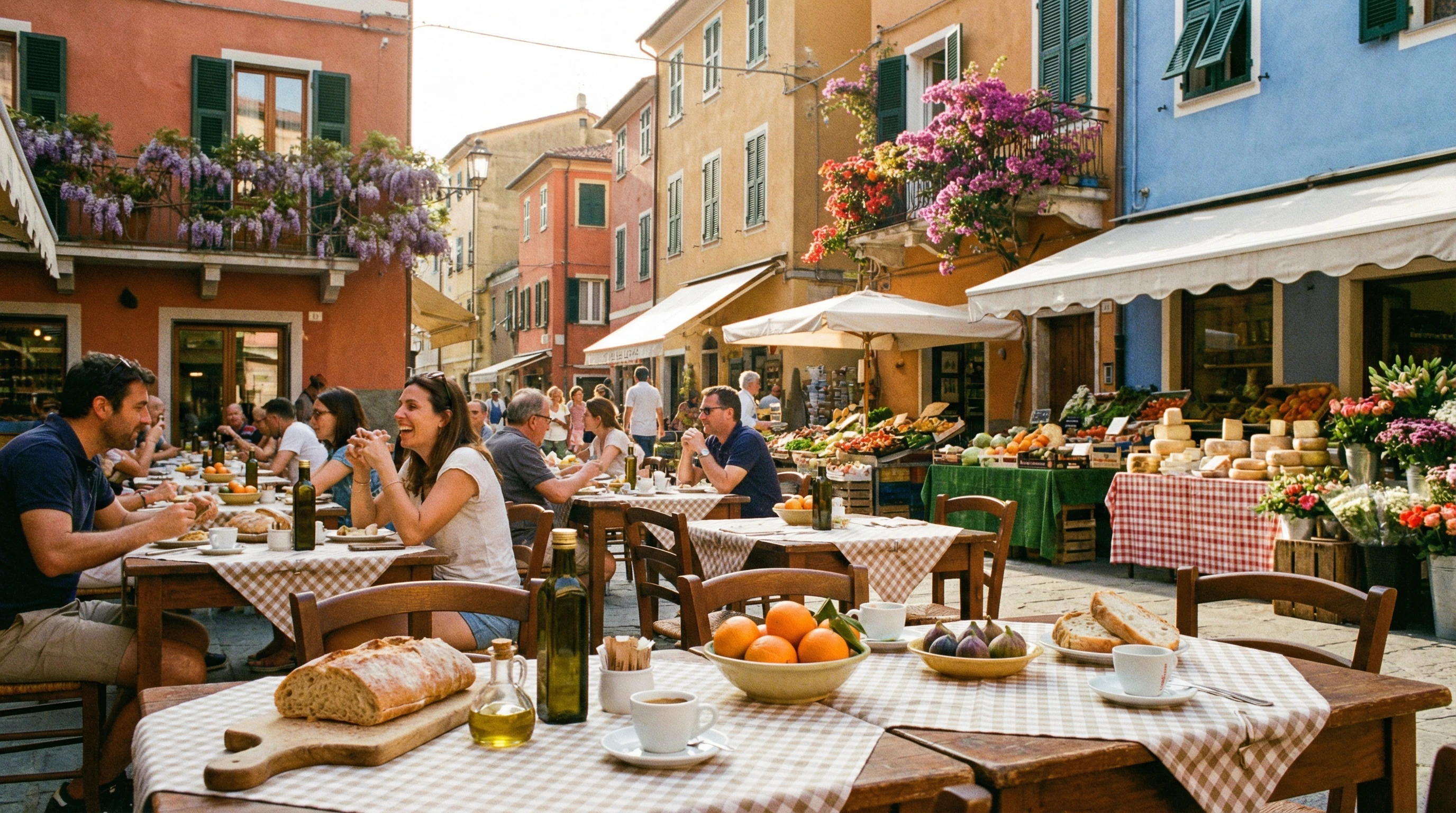
Why Italian Food Culture Is More Than Just Recipes
Food in Italy goes way past what’s on your plate. For Italians, eating well is just a part of daily life. It’s not about popular diets or guilt about calories. The magic comes from simple, fresh ingredients: tomatoes, basil, olive oil, crusty bread, and slowing down to enjoy every bite. Every meal, even a snack, usually doubles as a chance to connect with family or friends. Sitting around a table and sharing food feels just as important as what’s served. There’s also this daily routine built from tradition, passed down across generations. It’s one reason Italian food never really goes out of style. Think about family members gathering, laughter filling the air, and everyone pitching in to prepare and enjoy the meal together. It’s a cultural ritual that brings comfort, identity, and joy to everyday life.
The Daily Italian Eating Rhythm (Big Picture)
Most Italians follow a relaxed, predictable flow throughout the day when it comes to meals. Breakfast is fast and light, just enough to wake you up. Lunch is the real centerpiece; longer, more serious, and a time to slow down. Afternoons call for a tiny coffee or small snack to reenergize. Evening brings aperitivo, a social drink and nibble to mark the switch from work to leisure. Finally, dinner is enjoyed later, slow and easy, with smaller helpings and even better conversation. This natural rhythm makes the day feel balanced and keeps meals social and satisfying. These regular eating patterns, rooted in history, play a key role in how people relate to one another throughout the day.
Breakfast In Italy: Simple, Fast & Familiar
Italian breakfast is usually nothing fancy. For most, it’s coffee—often an espresso or cappuccino—with something sweet, like a pastry or a biscuit. Many people just have it at home or stand at their favorite local bar for a few minutes. No big eggsandbacon platter here. Heavy breakfasts just aren’t the thing, mostly because lunch is much more important. A light start helps keep the morning feel productive and less sluggish, letting you enjoy the main meal later. In some regions, a slice of cake or even just bread and jam is normal for breakfast. This practical approach keeps you energized without filling you up too much before lunch.
Lunch: The Real Center Of The Day
Lunch stands at the heart of the Italian day. It’s when people take time to pause work, come home to family, or gather with colleagues for a proper meal. Even in busy cities, plenty of shops and offices close or slow down so people can eat. At home, you might find pasta, vegetables, bread, and fruit. In towns and villages, family lunches can last a couple of hours, especially on Sundays. Even a simple lunch is rarely just a sandwich on the run; it’s a moment to reset and connect, not just recharge. In restaurants, you’ll often notice that business slows as people linger over several courses. This break in the day is about much more than food—it’s a way to reconnect and refuel mentally, too.
Afternoon Coffee & Aperitivo Culture
By midafternoon, a quick coffee becomes a minibreak. Italians treat this as a social pause, sometimes with a friend, sometimes alone at the bar. It sets a slower tempo before the evening. Later on, especially in cities and towns, people gather for aperitivo. This earlyevening ritual involves a light drink, like an Aperol Spritz or vermouth, paired with little bites—olives, chips, cheeses, or tiny sandwiches. The real focus is winding down and catching up before dinner, not stuffing yourself. Aperitivo spots come alive as the sun goes down, and the energy shifts from workday to socializing. It’s about savoring the moment, swapping stories, and easing into the night.
Dinner In Italy: Slow, Social & Never Rushed
Dinner can be late, often around 8 or 9 pm, and always leans towards relaxed and sociable. Plates aren’t piled high; instead, you’ll see smaller portions, a series of simple courses, or shared dishes. Conversation flows for hours. People take their time with each course, connecting or unwinding after the day. This easy pace helps with digestion and makes for a gentle transition to sleep. There’s no rush to finish or reason to eat in silence; good company is half the fun. In summer, many Italians eat outdoors, enjoying fresh air, laughter, and the sounds of the evening. Dining this way turns an ordinary meal into a special event.
Regional Differences: North vs South Italy
Italian food has strong local roots, so what you eat might look quite different depending on where you are. In the north, you’ll spot more butter, creamy sauces, rice, and meats; think risotto alla Milanese or hearty stews. Down south, olive oil, vegetables, tomatoes, citrus, and seafood play a bigger role. Local bread and cheeses change from region to region. Still, the basics: fresh ingredients, simple dishes, relaxed timing, stay the same everywhere. It’s about letting the local flavors and seasons shine through. Along Italy’s coasts, daily seafood catches shape both lunch and dinner, while mountain regions celebrate mushrooms, game meats, and hearty grains.
Why Italian Eating Habits Support Health & Longevity
It’s pretty easy to see why so many Italians stay healthy into old age. Meals are slow and stretched out, letting you taste and enjoy food without overeating. Produce and ingredients follow the seasons and come from local markets. There’s very little in the way of processed or prepackaged food. Most people naturally control portions and tend to eat less junk just by following the usual food rhythms. All this, along with regular social meals, helps keep daily stress low and makes eating a pleasure—not a chore. Plus, walking to local shops and markets every day adds movement to the routine, so a healthy lifestyle isn’t just about what’s on your plate.
Common Tourist Mistakes With Italian Food
It’s easy to feel out of sync when eating in Italy for the first time. People often eat dinner way earlier than locals or rush through a meal that’s meant to be savored. Oversized portions at tourist spots can feel tempting but don’t match how Italians eat. Sticking to restaurants near main tourist attractions is another common slipup. The real flavors happen in small neighborhood trattorias, bakeries, or markets, not places designed just for tourists. Giving meals time and space helps you experience the real thing. Also, avoid asking for parmesan on seafood pasta; that’s a clear sign you’re not following the local customs.
Can You Eat Like An Italian As A Visitor?
You don’t need to turn your whole routine upside down, but following a few Italian habits can make your trip a lot tastier. Try eating when locals do. Head for spots where you see neighborhood folks, or where there’s a blackboard menu written in Italian. Take your time with every meal. Notice how people don’t make a big fuss; food and company come first, everything else second. Even small steps toward this rhythm can help you feel a bit more at home in Italy. Ask the staff for their favorite dishes, and don’t be afraid to try local specialties that might not appear on tourist menus.
Final Thoughts: Italian Food As A Way Of Life
What really sticks with me about Italian food is the joy in simple, daily rituals. It’s not just about what you eat, but when, how, and who you share it with. This way of living and eating creates an experience that’s sustainable, laidback, and genuinely enjoyable; one you can bring home, even if just a little. The next time you sit down for a meal, remember to savor the moment and share stories with the people around you. That’s the true spirit of Italian food culture, and it’s something anyone can adopt.
Frequently Asked Questions
Is Italian food healthy?
Many Italian dishes focus on fresh produce, moderate portions, and seasonal ingredients. The natural rhythm and slower pace help people enjoy food without overdoing it. Eating this way may boost both satisfaction and well-being over time.
Why do Italians eat so late?
Lunch tends to be the day’s main meal, and people finish work late, so dinners often happen after 8 pm. The evenings stay lively, and a late meal fits right in. Late dinners keep the day balanced and give families a chance to reconnect after busy afternoons.
Do Italians snack a lot?
Not really. Aside from a light afternoon coffee or aperitivo, snacking between meals is rare. Most people wait for scheduled meals. This habit helps everyone appreciate mealtimes more when they do arrive.
Can tourists easily follow Italian food habits?
Yes! Eating at local times, choosing neighborhood places, and slowing down turns meals into special parts of any trip. Just look around and follow the locals’ lead. The experience will be more authentic and much more memorable if you soak up the pace and spirit of Italian eating.