
Trying to figure out how, or even whether, to tip in Italy really threw me off on my first trip. Back home, I was so used to adding a certain percentage to every bill, but in Italy, the rules are pretty different. If you’re wondering how tipping in Italy works for tourists, you’re not alone. It’s normal to feel a bit lost wondering how much to leave, when to tip, and what’s expected so you don’t accidentally go overboard or seem rude. Italian tipping customs are way less pressured than in the US or UK, and once you get the hang of it, you’ll find it’s actually pretty stress-free. Knowing what to do helps avoid those awkward moments and keeps your wallet happy, so you can spend more energy enjoying pasta and gelato!
What is the Tipping Culture in Italy?
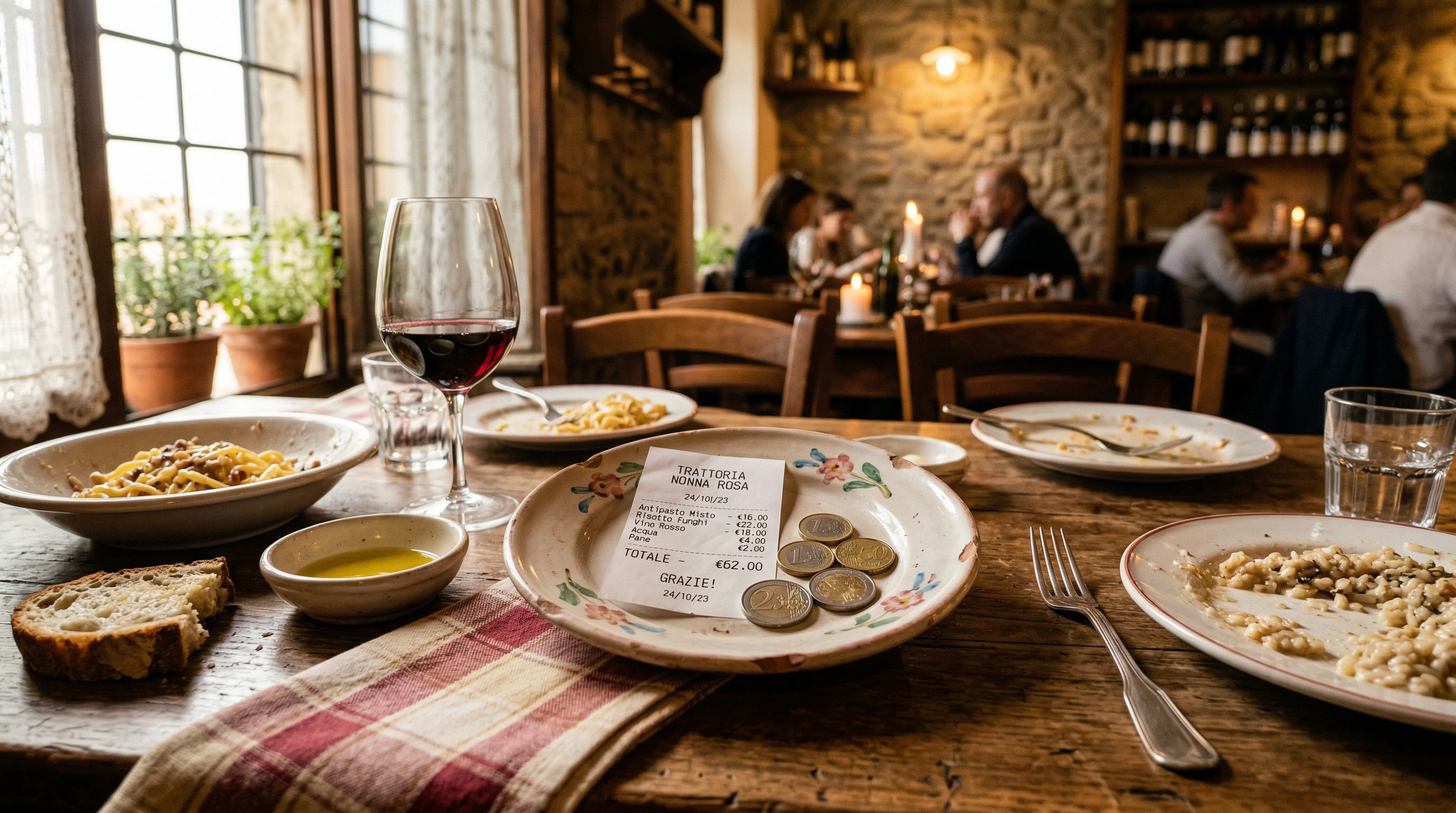
Tipping in Italy isn’t the big deal it is in some other countries. It’s definitely not mandatory, and most Italians don’t tip the way Americans do. Service is almost always included in the price of your meal or coffee, and leaving a tip is usually just a friendly gesture, not an obligation. Most of the time, locals will just round up the bill a little or leave a couple of euro coins if they’re feeling generous or had a great experience. If you don’t tip, nobody will chase you down or frown at you. There’s really no pressure or awkwardness, compared to stressful tipping cultures elsewhere.
One thing you’ll notice quickly is that tipping tends to be much smaller in Italy than you might be used to. If you try to leave 20 % , you’ll probably get some confused looks. Italians just don’t tip that much in day-to-day life, and most workers don’t expect it. Understanding this relaxed approach helps you fit in and avoid overspending when eating or traveling in Italy. If you’re visiting for the first time, just try to watch how locals pay their bills and you’ll get a feel for what’s normal quickly. Over time, you’ll find that most Italians are content with a simple thanks and a smile than with a big tip.
What is “Coperto” and “Servizio”?
Most Italian restaurants add one or both of these charges to your bill, and they often trip up visitors. Here’s what each means and why they matter:
- Coperto: This literally means “cover charge.” It’s a small fee (often between €1 and €3) per person that covers bread, table setting, and no extra service. It’s been part of Italian dining for ages. You’ll see “coperto” listed right under the main total on your bill or sometimes on the menu. You pay it whether or not you eat the bread.
- Servizio: This is a service charge, usually a percentage of your meal (sometimes 10 to 15 percent), that covers the staff’s work. Some restaurants, especially in touristy areas or fancier places, tack this onto the bill. When you see “servizio incluso” (service included) on your receipt, it means tipping isn’t expected because it’s already built in.
Tourists often get confused and tip on top of these charges without realizing they’re already paying for service or bread. If you ever notice both listed, know you’ve already paid what’s culturally expected. Always double-check your bill before you decide to leave more, or you might accidentally spend more than you intended. Restaurants typically make it clear on the menu or the receipt, so look out for the wording—if in doubt, you can always ask your server politely.
How Much to Tip in Different Situations
Restaurants
The most common thing Italians do after a nice meal is just round up. If your bill is €47, you might leave €50. For more expensive dinners, leaving €1 to €5 is plenty, especially if it’s not a special event. If you’re at a casual trattoria and the service stood out, tossing a couple extra euro coins is a nice touch. Most of the time, Italians think more about enjoying their meal and less about calculating an exact tip; so you can be relaxed, too.
Cafés and Bars
After an espresso or a drink, most locals just leave the small change from their bill, usually coins under €1. Tipping isn’t expected, and if you’re standing at the bar, it’s even less common. If you’ve been sitting at a table for a while and had great service, leaving up to €1 or so is appreciated but totally optional. Regulars often just say thank you and leave without tipping, so don’t worry about sticking out if you do the same.
Taxis
Most people just round up the fare with taxis instead of tacking on a percentage. If your ride costs €18, giving €20 and saying “tenga il resto” (“keep the change”) is simple and polite. There’s no need for fancy math or extra stress. Taxi drivers appreciate the gesture, but it’s never demanded. If the driver helped you with luggage or got you somewhere quickly during busy hours, adding an extra euro or two is nice, but not mandatory.
Hotels
Hotel staff don’t expect tips, but leaving €1 or €2 per day for housekeeping, or a few euros for someone who helps with your bags, is a thoughtful gesture. If someone at the front desk goes out of their way for you (like booking hard to get tours or dinner reservations), a small tip shows your appreciation but isn’t required. For fancy hotels in big cities, modest tokens of thanks now and then are always well received but never imposed. For smaller guesthouses or B&Bs, tips are rare and can feel out of place.
Tour Guides
Tipping local guides is always up to you, but if your guide was enthusiastic, fun, or gave you some great tips, €5 to €10 per person is a good ballpark for a group tour. For private tours, you might round up or leave more, but it’s never expected the way it might be elsewhere. If you learned something special or got excellent recommendations for your stay, leaving a small token of thanks goes a long way in showing that their effort was appreciated.
If you’re planning to join a guided tour in Italy, it’s worth checking trusted platforms with top-rated experiences.
Browse popular tours in Italy here
See top-rated experiences for first-time visitors
When You Should Tip More
Leaving a bit extra always feels good if you had standout service, a staff member helped you with something tricky, or you made a special request. If someone goes above and beyond, like helping you with a translation, giving insider advice, or serving you extra late, tossing in an extra euro or two is a nice way to say thanks. It’s not about percentages, but about showing appreciation when someone made your day better. Certain spots that work mostly with tourists might expect tips more often, so if you sense excellent personal service, feel free to leave a little more.
When You Should Not Tip
Some people feel awkward if you try to give a big tip, especially in family-run places or casual bars. Over-tipping can almost seem out of place and might even get politely refused. There’s no expectation for tips in supermarkets, regular retail shops, ticket counters, or public transport drivers. If you’re somewhere that feels local or the vibe isn’t touristy, tipping is basically off the radar. Sometimes, leaving money in a spot where no tip is expected can confuse staff or even embarrass them, so just stick to situations where you’re sure a tip is appropriate.
Common Tipping Mistakes Tourists Make
- Tipping too much: Bringing habits from home and leaving big tips is easy to do but unnecessary in Italy.
- Not understanding coperto: Thinking you need to tip on top of the cover charge leads to confusion and overspending.
- Assuming tipping is required: Unlike in the US, if you don’t tip, no one is going to give you side-eye.
- Mixing up cultures: Trying to tip American style can make things awkward. People can appreciate generosity, but don’t feel you need to follow US tipping rules.
Other common errors include tipping in coins that are too small (like leaving just a few cents) which can read as dismissive, or insisting on tipping when locals are clearly not doing it. If you’re unsure, it’s always better to watch what others do or ask your server what is typical. If you’re new to dining in Italy, check out my guide on how to read an Italian restaurant menu.
Simple Tipping Cheat Sheet
Here’s a quick tipping guide for Italy:
– Restaurants: Round up or €1–€5 for great service
– Cafés/Bars: Small change or up to €1
– Taxis: Round up the fare
– Hotels: €1–€2 for housekeeping
– Tour guides: €5–€10 per person
– Shops/transport: No tip needed
Real-Life Example
My first trip to Rome, I tried to tip my waiter almost 20 % . He looked at the plate of coins and sort of laughed, telling me “this isn’t America.” It was a little embarrassing, but he kindly explained that the “coperto” and “servizio” had it covered. On my next meal, I just rounded up and left a couple of extra euros when the service felt personal. After that, I felt much more in sync with how things are done, and honestly, it made dining out feel a lot more relaxed and fun. Even as my trip continued to Florence and Venice, I realized locals just don’t sweat tipping, and everyone’s more focused on conversation and enjoying their food. After a week of practice, I noticed I was less stressed about the bill and even picked up a few friendly smiles from waiters.
Final Thoughts
Italians really don’t stress about tipping, and you don’t need to either. Focus on enjoying amazing food, beautiful settings, and making memories instead of worrying about getting it right. Following the local vibe means you’ll fit in, avoid overpaying, and maybe even get a smile from your waiter. If you’re ever truly confused, don’t be shy about asking your server what’s typical—they won’t take offense, and it often leads to a friendly chat. Remember, tipping in Italy is about showing thanks for something that made you happy, not about rules or math. Taking your time to enjoy the atmosphere is really what counts.
Frequently Asked Questions
Is tipping required in Italy?
It’s totally optional. Service charges are often included in your bill, and nobody expects a tip. If you had a good time or received extra care, rounding up or leaving a euro or two is always appreciated. But you’ll never be pressured to tip.
Do I need to tip if there is a service charge?
Nope. If you see “servizio incluso” listed on your bill, that means the tip or service charge is already built in. If you felt the staff went out of their way, a tiny extra is nice but not at all necessary. Often, just leaving with a kind word or smile does the trick.
How much should I tip in restaurants in Italy?
A couple of euros, or just rounding up is normal. For a bigger bill and really excellent service, €5 or so is super generous. No one expects 10 or 20 percent the way they might in North America or other countries with big tipping cultures.
Is it rude not to tip in Italy?
Not at all. Restaurants and cafés see a lot of locals come and go without leaving any tip at all. A tip is a lovely bonus for great service, not an obligation or a sign of politeness. You’ll find that most people simply thank their server and move on to their next slice of pizza or scoop of gelato.