
Dining out in Italy feels like an experience in itself, but if you don’t know the local customs, it’s easy to make a few awkward mistakes. Understanding what not to do in Italian restaurants can save you from confusion, help you avoid tourist traps, and make your meals far more enjoyable.
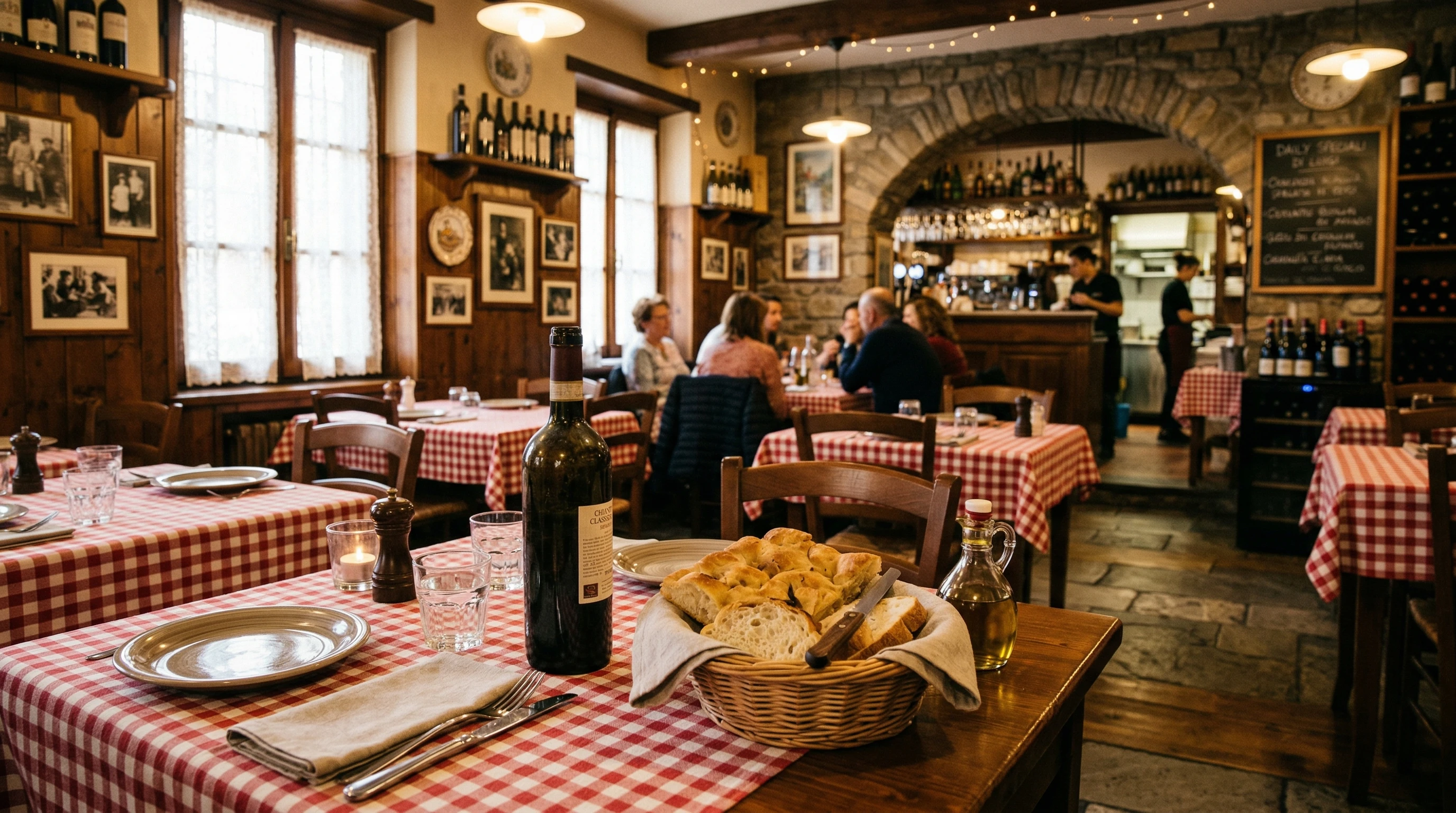
Common Mistakes Tourists Make In Italian Restaurants
These are the most common mistakes I see tourists make when dining in Italy—and how you can easily avoid them. I learned quickly that dining out in Italy is more than just food; it’s about embracing a pace and style. Here are some common mistakes I see, along with what I do to feel at home while eating out.
Ordering Cappuccino After Lunch or Dinner
This might sound pretty minor, but in Italy, coffee rules are almost sacred. Many tourists, myself included on my first trip, order a cappuccino after finishing lunch or dinner. While it feels natural to ask for a milky coffee as a treat, Italians almost never do this.
Cappuccino is seen as a breakfast drink, meant to be enjoyed with a pastry or as a start to the day. Ordering one after a meal might earn a raised eyebrow. Instead, I stick to a simple espresso after eating—just ask for a “caffè.” It’s served in a tiny cup and gives you that classic Italian finish to a meal.
Waiting for the Bill Without Asking
Unlike in many countries where the server might quietly bring the check to your table, that almost never happens in Italy. I remember sitting after a meal for way too long, waiting for the bill, only to realize nobody was bringing it because nobody wants to rush you out. If you want to pay, I’ve learned to catch someone’s attention and say, “Il conto, per favore.” It means, “The bill, please.” Simple, direct, and completely normal.
Overordering Food
The Italian meal structure looks pretty grand on paper: antipasti (starters), primi (first course, usually pasta or risotto), secondi (main dishes, typically meat or fish), contorni (side dishes), and then dessert. At first, I made the mistake of ordering a full meal from each section, which is a lot, especially for lunch. Most Italians pick one or two courses. If I’m not super hungry, I’ll just have a plate of pasta and maybe share an antipasto with friends. It’s totally fine to order only what you want, and there’s no pressure to follow the whole sequence every time.
If you’re not sure what to order, this guide on what to order in Italy for the first time can help.
Expecting Free Extras
In some countries, bread and water might show up unannounced and free of charge. In Italy, there’s almost always a “coperto”, a small cover charge per person that usually covers bread and the setting itself. Sometimes, even if you don’t ask for bread, you’ll see it on your bill. It’s just part of dining out and nothing to be surprised by. Water (usually bottled) also isn’t free, so I’ve gotten used to requesting either “acqua naturale” (still) or “acqua frizzante” (sparkling) when I sit down.
Tipping Too Much
Italian tipping culture feels super relaxed compared to what I’m used to back home. There’s no pressure to leave 20%. Most Italians just round up the bill or leave a couple of coins. If service is friendly and I want to show a bit of extra thanks, a few euros is more than enough. Sometimes, the service charge is included (look for “servizio” on the receipt), and there’s nothing more expected after that.
Choosing Restaurants in Tourist Hotspots
It’s tempting to settle into a trattoria right next to a famous landmark, but I’ve learned the spots with menus in five languages and people calling you in from the sidewalk often focus more on quantity than quality. The food is often average and prices a bit higher. Walking just a few streets away usually leads me to places with local flavors, friendly staff, and lots of Italians chatting at the next table. Even checking online for recent reviews or asking a local for a favorite spot helps me dodge tourist traps.
You can also learn how to spot authentic Italian restaurants and avoid tourist traps.
Ordering Everything at Once Without Understanding the Menu
Menus in Italy often separate each course, which can be confusing. The first time, I found antipasti, primi, secondi, and contorni all a bit overwhelming. Now I give the menu a quick scan, pick maybe a pasta or risotto for my primo, and decide if I’m in the mood for a main course after. You don’t have to order from every section. Servers are happy to suggest something light if you ask. Reading a menu carefully or looking up a few key Italian words before heading out makes everything easier.
If you’re unsure how Italian menus work, check out this simple guide to reading an Italian restaurant menu.
Rushing the Meal
One of the things I love about Italian dining is the relaxed pace. In Italy, no one’s in a hurry to get you in and out. You can sit for hours, talking, ordering another drink, or finishing up dessert. At first, I felt awkward lingering, but sitting back and enjoying the mood is the norm. Meals are social and meant to be enjoyed slowly.
How To Avoid These Mistakes (Simple Tips)
- Order coffee drinks with milk only at breakfast. After lunch or dinner, go with espresso or “macchiato” if you want a tiny splash of milk.
- Ask for the bill when you’re ready—use “Il conto, per favore.”
- Don’t feel pressured to order from every section of the menu. Go with what suits your hunger and the style of the meal.
- Expect a coperto/cover charge on your bill. Bread and water aren’t complimentary.
- Tipping is light—just round up or leave small change unless service was truly exceptional.
- Choose places away from major tourist attractions for more authentic meals and better prices.
- Read through the menu and ask if you’re not sure what’s included in each course.
- Sit back and enjoy a longer meal. There’s no rush to leave your table.
Real Example: My First Restaurant Mistake In Italy
I’ll share a story based on my own early mistakes. Picture me, eager and hungry, settling in at a restaurant right on a beautiful piazza with the Colosseum in view. I waved down the server, ordered a cappuccino with my pasta, picked bread off the table assuming it was free, and sat quietly for ages waiting for the bill. In the end, I paid a surprisingly high tab, left a big tip, and left feeling a bit awkward.
Now, after a few trips, I walk a few blocks away from crowded sites, check the menu by the door, and pop into a smaller, local spot. I greet the server, order an antipasto and a simple pasta, ask for water, and enjoy an espresso at the end. When I’m done, I catch the server’s eye and ask for the bill. I round it up, thank them, and leave feeling relaxed and happy about the whole experience. Those little adjustments made for a much richer (and less confusing) meal every time.
Quick Mistakes Cheat Sheet
- No cappuccino after morning hours—stick to espresso after meals.
- Always ask for “Il conto” when you want to pay.
- Order only what you really want, not every course.
- Expect a bread and table charge (coperto).
- Light tipping—just round up or leave a euro or two.
- Head away from main tourist spots for meals.
- Don’t rush—enjoy the longer experience.
Frequently Asked Questions
Is tipping required in Italy?
Tips are not required. Most people round up the bill or leave small coins. Some restaurants include a service charge (“servizio”), and in that case, nothing more is needed. Leaving a few extra euros for really good service is a nice gesture, but definitely not required.
Is it rude to order cappuccino at night?
It’s not considered rude; it just marks you as a tourist. Locals have milkbased coffee only in the morning. If you want to blend in, go for espresso after lunch or dinner.
Do I need to order multiple courses?
No, you can order just a salad, a pasta, or any combination you like. Italians often eat a single course at lunch and may have more courses for dinner or special occasions.
How do I ask for the bill in Italy?
Simply say, “Il conto, per favore,” which means, “The bill, please.” That’s the usual and polite way to let your server know you’re ready to pay.
Do restaurants in Italy bring the bill automatically?
No. In most Italian restaurants, you need to ask for the bill by saying “Il conto, per favore.”
Enjoying Your Italian Restaurant Experience
The real key to eating out in Italy is to relax, enjoy the flavors, and pick up on the rhythms of the locals around you. Following a few of these simple tips helps me feel confident and welcome, wherever I go. With a bit of preparation and a lighter attitude, every meal feels more like a special occasion and less like a tourist checklist. The best part of travel is to jump in, learn something new, and enjoy every bite along the way. If you follow these tips, you’ll feel much more at ease and have a stellar dining adventure every time you settle in at an Italian table. Trying the local customs might mean stepping outside your comfort zone, but that’s when the most eye-catching memories are made. Enjoy the ride! Want to feel even more confident when eating out in Italy? Check out my full guide on what to order in Italy for the first time.