
Trying local foods is one of the best perks of traveling in Italy. The food here goes well beyond the stereotypes, and making smart choices at the table can turn a good trip into an unforgettable one. I’ve seen plenty of travelers fall into little traps: ordering dishes that don’t even exist here, missing out on the real superstar plates, or just picking the wrong kind of pizza in the wrong spot. Knowing what to skip, and what to order instead, will add a whole new level to your Italian food adventure. If you’re wondering what tourists should never order in Italy, and what locals actually eat instead, this guide will help you avoid common mistakes and enjoy more authentic meals.
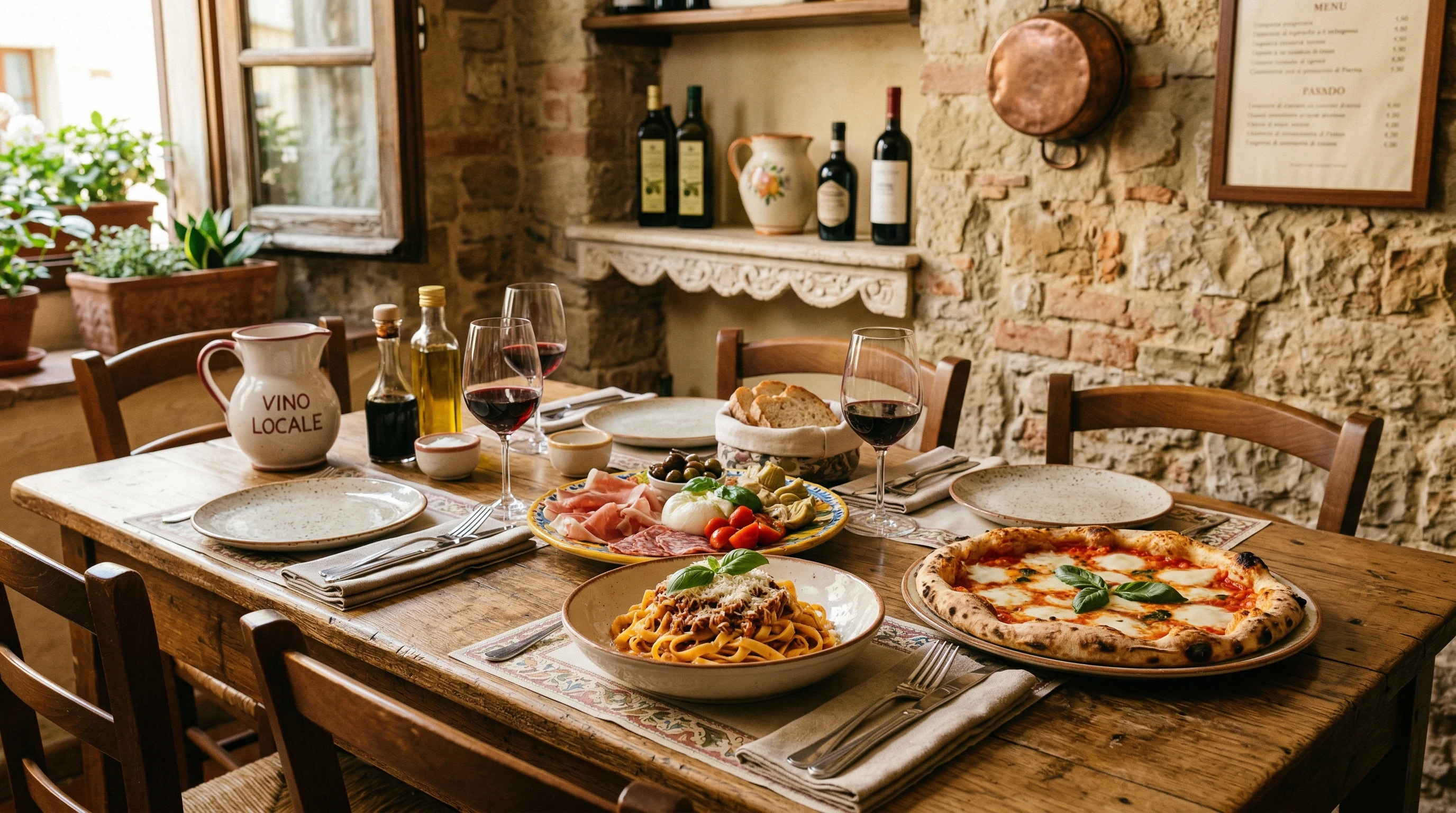
Popular Tourist Traps: What Not to Order in Italy
The menu in front of you at an Italian restaurant can look pretty familiar, but just because something sounds Italian doesn’t mean locals actually eat it. Here’s a look at the dishes you’ll see often, especially in touristy areas, that most Italians never touch, plus what’s really worth your attention if food is your thing.
Spaghetti Bolognese In Italy
Spaghetti bolognese is practically the poster dish for Italian food abroad, but in Italy, ask for it and you’ll probably get a strange look. The real deal is called “ragù alla bolognese” and it’s served with tagliatelle, not spaghetti. The sauce is richer and meatier than what most people expect, and the pasta is always made with fresh egg noodles rather than dry.
Order instead: Tagliatelle al ragù, especially if you’re in Bologna.
Pasta Alfredo
Fettuccine Alfredo is huge in the US but actually doesn’t show up on Italian menus. Most locals have never tasted it, since cream-heavy sauces are just not a standard part of traditional Italian cooking.
Order instead: Cacio e pepe in Rome or burro e salvia (butter and sage) in the north are much truer to local tastes.
“Pepperoni” Pizza
Ordering a “pepperoni pizza” in Italy gets you a pie with bell peppers (peperoni, with one ‘p’), not spicy sausage. The American-style spicy sausage called “pepperoni” isn’t common here at all.
Order instead: Pizza diavola if you want spicy salami, or try margherita for something classic and authentic.
Cappuccino After Meals
Locals almost never drink cappuccino after lunch or dinner. It’s considered a breakfast drink. Asking for one post-meal instantly marks you as a tourist.
Try instead: An espresso or macchiato, which is what most Italians sip to finish a meal.
Garlic Bread with Pasta
Italian restaurants outside of Italy offer garlic bread as an easy starter, but inside Italy, it doesn’t exist. Bread is served plain, if at all, and might be used to scoop up leftover sauce at the end of your meal.
Get instead: Focaccia or pane toscano—simple and regional, no garlic overload needed.
Adding Chicken to Pasta or Pizza
Pasta with chicken or chicken on pizza is not something you’ll find on an Italian menu. Unless it’s a modern spot mixing things up, chicken just isn’t part of traditional pasta or pizza dishes.
Order instead: Prosciutto with melon as an appetizer, or enjoy toppings like mushrooms, prosciutto, or local veggies on your pizza.
Spaghetti with Meatballs
Thanks to Hollywood, this classic combo is well known. But in Italy you won’t see spaghetti and meatballs served together. Meatballs (polpette) are part of a main course and are usually served on their own.
Order instead: Polpette as a second course (secondo), or try a dish featuring the region’s specialty meats.
Over-the-Top Seafood Alfredo or Mixed Pasta Dishes
Pasta dishes loaded with chicken, shrimp, heavy cream, and cheese all in one are not part of traditional Italian cooking. Italian food is all about balance and letting each main ingredient shine, usually with just three or four primary elements.
Get instead: Pasta alle vongole (clams) on the coast, or go for regional pasta with simple sauces like pomodoro or aglio e olio.
Where You Order Matters: Finding Authentic Italian Food
The location of a restaurant is especially important for a real experience. Close to big tourist sights and train stations, menus cater to global expectations—think giant laminated menus in five languages, or staff trying to lure you in from the sidewalk.
Avoiding Tourist Trap Eateries
- Skip restaurants with photo menus, staff outside hustling for customers, or prices much higher than the average. These places are built for tourist crowds, not for flavor.
- Look for small trattorias or osterias tucked on quieter streets. A handwritten menu and locals at other tables are always good signs you’re on to something.
- Head for spots with a focused, short menu. If a restaurant lists dozens of pastas and pizzas, it’s rare that any of them will be done well.
Pizzerias: Quality Over Convenience
Pizza by the ancient ruins or major museums might be tempting when hunger hits, but these pies often use lower quality ingredients. They might not even use a wood-fired oven.
- Take a walk a few blocks away from the tourist heart—even just 10 minutes—to track down locally loved pizzerias. If you see “pizzeria a legna” (wood-fired) on the sign, that’s a good start.
- Check for simple toppings, bubbly crust, and a short menu. If you see locals eating pizza with fork and knife, you’re likely in a good spot.
If you’re unsure how to read menus or understand Italian food sections, check out my simple guide to Italian restaurant menus.
How to Order Like a Local (And What to Try Instead)
Menus in Italy look different from what you might be used to. Many restaurants divide meals into several courses: starter (antipasto), first course (primo—usually pasta or risotto), second course (secondo—meat or fish), side (contorno), and dessert (dolce). Italians don’t usually eat giant plates with everything combined at once.
Don’t Order Everything at Once
Some tourists ask for a starter, two pastas, two mains, and a big glass of milk all at the same time. Meals in Italy go at a slower pace, and most locals order just a couple of courses. It’s completely normal to get only pasta and a salad or a main and a glass of wine. There’s no pressure to “supersize” your meal here.
Don’t Ask for Heavy Substitutions
Most chefs don’t want to add parmesan to seafood pasta or swap out the sauce ingredients. Italian cooking is focused on balance, and traditional recipes are followed closely. The best move is just to trust what’s on the menu.
Always Ask About “Piatti Tipici”
If you’re hunting for something authentic, use the phrase “piatti tipici” to ask about local specialties. Every region, province, and often town, has its own signature dishes you can’t find elsewhere. This could be pesto in Liguria, carbonara in Rome, arancini in Sicily, or ribollita in Tuscany.
The Best Italian Dishes Travelers Usually Overlook
Some of the country’s greatest dishes are rarely found on international menus. Here’s a quick list of what travelers often miss, plus some outstanding local choices:
- Risotto alla Milanese: Creamy saffron rice, a mustorder in Milan.
- Orecchiette alle cime di rapa: A Pugliese favorite—pasta with broccoli rabe and anchovies.
- Supplì: Roman fried rice balls; similar to Sicilian arancini, but uniquely Roman.
- Polenta: In the north, order creamy or grilled polenta with mushrooms or sausage.
- Pappa al pomodoro: A Tuscan bread and tomato soup that sounds simple but packs serious flavor.
- Cannoli or Cassata: Sicily’s dessert game is strong; don’t miss these sweets if you’re on the island.
- Truffle Pasta: In Umbria and Tuscany, truffle pasta is seasonal but unforgettable—definitely worth trying when available.
Ordering Drinks: When and What to Sip
Beverage culture in Italy is full of little habits and traditions that help set the vibe at the table.
- Skip giant coffees or milky drinks after noon. Italians stick with espresso shots for the rest of the day.
- House wine is usually a solid choice. Local vino della casa pairs well with most dishes and keeps your bill reasonable.
- Spritz for aperitivo. Want a real taste of early evening? Get into a spritz (Aperol or Campari) as a pre-dinner drink with a light snack.
- Mineral water comes still (naturale) or sparkling (frizzante). Ask for what you want—tap water isn’t always offered unless you specifically request “acqua del rubinetto.”
Why You Shouldn’t Rush: Savoring the Italian Meal Experience
Eating in Italy is about way more than just the food—it’s about enjoying the moment and letting the pace slow down. Meals often last a couple hours, especially if you’re going with multiple courses. Even lunch can stretch out into a relaxing, multidish affair. The staff won’t rush you, and after you’ve finished eating, you’ll probably need to ask for the check—it isn’t brought automatically.
What Makes This Really Important
Slowing down lets you truly enjoy the flavors, soak in the atmosphere, and connect with your company. Picking up on this pace is part of why dining in Italy becomes an unforgettable travel memory.
How to Avoid Guesswork: Tours, Food Walks, and Local Recommendations
If reading menus leaves you second guessing, food walks or guided tastings can take the stress out of things and make the experience extra memorable. Knowledgeable guides explain the history and backstory of dishes, walk you through behind-the-scenes experiences, and help you check out things you’d never think to order by yourself.
Looking into food tours for any major Italian city is a great way to stumble upon hidden gems. Local guides know all the best spots—trattorias, pastry shops, or streetfood stands—that you might never find on your own.
Check the best-rated food tours in Italy here (local guides, hidden spots, authentic food).
Useful Italy Food Tips and Internal Resources
Quick Italy Food Cheat Sheet
- Say no to spaghetti bolognese—ask for tagliatelle al ragù
- Pepperoni pizza means bell peppers—order pizza diavola if you want spicy
- Skip Alfredo—go for cacio e pepe or burro e salvia
- Garlic bread? Not a thing—try local focaccia
- Don’t overcustomize your order—trust the chef
- Try something local from the “piatti tipici” list
Italy Restaurant FAQs
Is it rude to ask for substitutions or customize my order in Italy?
It’s not rude, but it’s uncommon. Italians like to eat dishes just as the chef or tradition intended them to be served.
Why can’t I find spaghetti and meatballs in Italy?
Spaghetti with meatballs is an Italian-American invention. Meatballs (“polpette”) exist, but they’re usually served on their own or as a second course.
Is pizza the same everywhere in Italy?
Nope! Naples, Rome, and the north all have their own pizza styles. Naples is famous for a soft, pillowy crust, while Rome’s is thin and crispy. It’s a good idea to try the original in its home city.
How can I spot a tourist trap restaurant?
Look for menus loaded with photos, lots of translated languages, or staff out front talking passersby inside. Locals rarely eat at spots like these.
Final Thoughts
Knowing what not to order, and what to go for instead, makes eating in Italy way more enjoyable. Once you get into the rhythm of local dining, each meal can become the highlight of your trip. Try regional specialties, pay attention to what’s in season, and be open to a little adventure. Many of the best food memories in Italy start with saying “yes” to something new and unfamiliar.