
Some of the links on this page are affiliate links, which means I may earn a small commission if you make a purchase through them, at no extra cost to you. This helps support the site and allows me to continue creating helpful content.
Lisbon’s food markets range from polished food halls packed with ready-to-eat dishes to traditional neighborhood markets where locals still shop for fish, meat and produce. For a first visit, the best choice depends on what you want: an easy introduction to Portuguese food, a relaxed neighborhood lunch, or a glimpse of everyday market life.
Quick Answer: Which Lisbon Food Market Should You Visit?
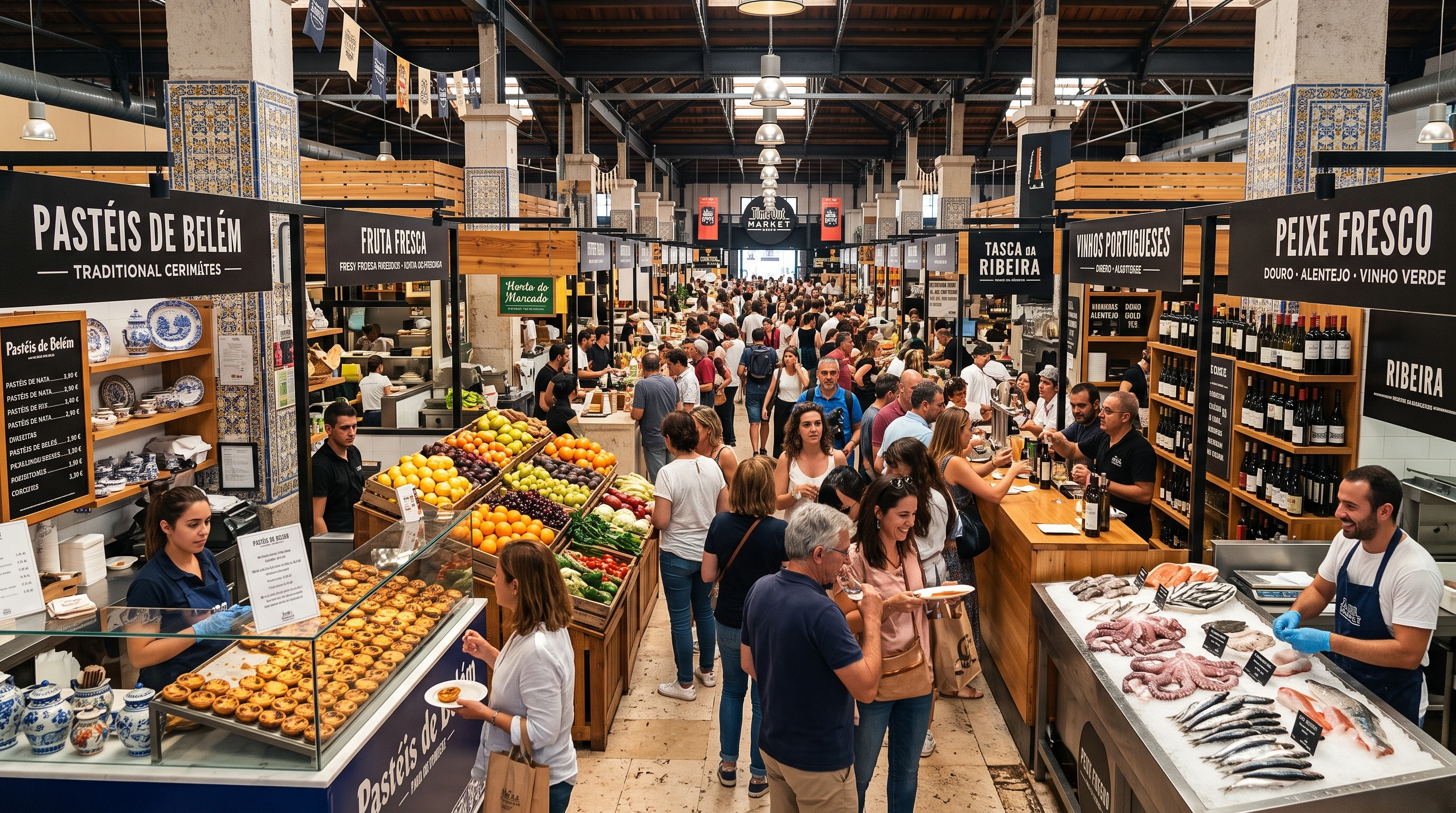
Time Out Market is the easiest choice for most first-time visitors, especially if you want to sample several Portuguese dishes in one central location. For a quieter neighborhood atmosphere, try Mercado de Campo de Ourique. If you’re more interested in traditional market culture than a food-hall meal, Mercado de Alvalade and Mercado 31 de Janeiro are better choices.
One important distinction: Time Out Market operates inside the historic Mercado da Ribeira, so they shouldn’t really be treated as two completely separate destinations. The food hall focuses on prepared dishes and drinks, while the traditional market area is more about fresh produce, fish and everyday shopping.
|
Market |
Best for |
Atmosphere |
Food focus |
|---|---|---|---|
|
Time Out Market |
First visit & variety |
Busy, modern |
Prepared dishes, drinks, desserts |
|
Campo de Ourique |
Relaxed lunch |
Neighborhood, casual |
Meals, snacks, wine |
|
Alvalade |
Local market experience |
Traditional |
Produce, fish, meat, simple snacks |
|
31 de Janeiro |
Seafood & market culture |
Traditional |
Fresh fish and seafood |
|
Mercado da Ribeira traditional area |
Fresh-market browsing |
Local market |
Produce, fish and ingredients |
Time Out Market Lisbon
Time Out Market is easily the best-known food market in Lisbon and is located in the Cais do Sodré district. Housed inside the historic Mercado da Ribeira building, this market is designed for flexibility and choice. Dozens of stalls serve modern Portuguese dishes, regional petiscos (small plates), local wines, and international options; all rated and curated by Time Out’s food critics. Many travelers visit for the chance to try several well-known Lisbon chefs or to enjoy traditional desserts and coffee in a casual setting.
This market is great for those who might feel nervous about trying unfamiliar foods since everything is labeled and explained in English as well as Portuguese. The variety is huge, so groups can split up and pick favorites before meeting back at a shared table. Time Out Market can get crowded, particularly around lunch and dinner, and the prices can be higher than you’ll find at neighborhood cafés. Still, it’s very clean, bright, and efficient, which is good for short trips or if you’re searching for where to eat in Lisbon with minimal stress.
Mercado da Ribeira
The traditional market area shares the historic Mercado da Ribeira building with Time Out Market, but the experience is very different. The main area opens early for local vendors selling fresh fruit, vegetables, cheese, meat, and especially seafood. This side of the building feels different from the food hall, less polished and aimed more at locals doing their daily shopping. Even if you’re not purchasing produce to cook, it’s fascinating to walk the aisles and check out displays of fresh fish, clams, octopus, and other Portuguese staples.
This traditional part of the market is cooler and quieter than the food hall. It makes a good place to see Lisbon’s market culture in action; for those interested in produce or photography, it’s worth visiting early in the day for the busiest traditional market atmosphere.
Mercado de Campo de Ourique
Mercado de Campo de Ourique sits outside Lisbon’s main tourist center in a residential neighborhood. The market combines traditional fresh-food stalls with a compact dining area of restaurants, bars and specialty food counters. The atmosphere here is more laidback, with locals meeting for coffee, groups lingering over lunch, and regulars shopping for daily needs. The food selection is casual and reasonably priced; expect regional snacks, wine by the glass, local cheese, and seafood dishes in a friendly, easygoing space.
Campo de Ourique is a good alternative if Time Out Market sounds too busy or tourist-focused. It’s a nice break from Lisbon’s busier attractions and suits anyone looking for relaxed dining or a little less formality when deciding where to eat in Lisbon.
Mercado de Alvalade
Mercado de Alvalade gives travelers a more traditional Lisbon market experience, mainly serving locals from the Alvalade area. The market is known for its wide variety of fresh produce, fish, meat, flowers, and regional Portuguese products. There are small cafes and stalls inside selling sandwiches, pastries, and snacks perfect for a quick bite or takeaway breakfast. The environment is practical and everyday, with regulars picking up groceries and chatting with familiar vendors; visitors won’t usually find trendy food stalls or modern food hall setups here.
Come here for the market itself rather than a long list of trendy food stalls. Alvalade makes more sense for travelers curious about everyday Lisbon food shopping than for anyone looking for a large sit-down food hall. It can also be a useful stop for budget-conscious travelers looking for simple snacks or fresh ingredients away from Lisbon’s busiest tourist areas.
Mercado 31 de Janeiro
Mercado 31 de Janeiro is one of the best places in Lisbon for exploring the local fish and seafood scene. Located near Saldanha, this traditional indoor market caters mainly to residents, and the fish hall can be lively with vendors preparing and selling all kinds of seafood caught along the Portuguese coast. Unlike the more commercial food halls, Mercado 31 de Janeiro is all about fresh ingredients, seafood for cooking at home, and glimpses of traditional customs.
Some stands offer ready-to-eat snacks or quick, simple meals, though most activity is centered around shopping. For travelers with kitchen access, or anyone curious about Lisbon’s seafood culture, it offers a much more everyday look at how fresh fish is bought and sold in the city. Expect a slightly earlier closing time compared to bigger food halls.
What to Eat at Lisbon Food Markets
Lisbon food markets bring together plenty of Portuguese snacks, comfort foods, and sweet and savory treats all under one roof. There is something for every appetite, and most food halls explain the basics so first-time visitors know what to expect. Popular market choices include:
- Pastel de nata: The famous Portuguese custard tart, often still warm from the oven, is a classic market snack and dessert. Read more: Portuguese Desserts to Try
- Bacalhau dishes: In food halls and prepared-food stalls, look for cod croquettes, grilled cod or other versions of Portugal’s best-known salt-cod dishes.
- Petiscos: Small plates similar to Spanish tapas. Try octopus salad, fried green beans, or cheese. More info: Portuguese Petiscos Explained
- Seafood: Grilled sardines, clams, mussels, and prawns are common in most major food markets, with some stalls specializing in shellfish or fish sandwiches.
- Bifana: A pork sandwich, popular with locals and easy to grab as a snack or quick meal.
- Cheese and cured meats: Portuguese regional cheeses and chouriço sausage are easy to sample or share. See also: Portuguese Snacks to Try
- Portuguese pastries: Besides pastel de nata, look for bolas de berlim (Portuguese doughnuts) and other sweet pastries.
- Wine and coffee: Many food halls offers glasses of Portuguese wine, beer, or excellent coffee, either as a pairing or a standalone drink. Check out: What to Eat in Lisbon
Are Lisbon Food Markets Expensive?
Prices at Lisbon food markets vary depending on the type of market and location. Time Out Market and other food-hall-style venues generally cost more than neighborhood bakeries, cafés and traditional tascas. A full meal with drinks can add up quickly, while pastries, sandwiches and individual snacks are easier to fit into a budget.
Local markets, especially those away from the city center, can offer lower prices for fresh ingredients, sandwiches, or straightforward meals. In these markets, you can grab a pastry and coffee, or even a bifana sandwich, at a price that works with a budget. Comparing prices in advance and choosing smaller, less commercial markets helps keep spending reasonable.
For cheaper everyday options beyond the markets, see Eating in Portugal on a Budget.
Tips for Visiting Food Markets in Lisbon
- Visit outside the main lunch and dinner periods if you want a better chance of avoiding the biggest crowds, especially at Time Out Market.
- Look over menus or price lists before ordering, especially if you’re budget-conscious or want to compare options.
- Cards are widely accepted in larger food halls, but carrying a little cash is useful at smaller traditional stalls.
- Busy markets such as Time Out Market can be loud and crowded, so keep an eye on your belongings and be patient about finding seats.
- Not every stall in a “market” is traditional; some serve modern or international street food as well. Check for Portuguese specialties if that’s your goal.
- Some markets close early or are shut one day a week. Check opening times before making the trip.
- Being polite and saying “bom dia” (good morning) or “obrigado/obrigada” (thank you) when ordering goes a long way with vendors.
Unsure about ordering or paying? Our guides to ordering food in Portugal, Portuguese restaurant etiquette, and tipping in Portugal cover the basics before your first meal.
Guided Lisbon Food Tours
If you’re new to Portuguese cooking, or want a more in-depth introduction to Lisbon’s food markets, guided tours can be a good way to start. Food tours often explain the background of classic dishes, demonstrate how to order, and provide plenty of tastings, removing some of the guesswork that comes with a first visit. They can also help you find neighborhood markets and petiscos bars most people might miss on their own.
Compare Lisbon food tours and market experiences if you’d rather explore with a local guide and have the tastings arranged for you.
Related Guides
- What to Eat in Lisbon
- Portuguese Desserts to Try
- Portuguese Snacks to Try
- Portuguese Petiscos Explained
- How to Order Food in Portugal
- Portuguese Restaurant Etiquette
- Eating in Portugal on a Budget
- Tipping in Portugal Restaurants
Frequently Asked Questions
What is the best food market in Lisbon for first-time visitors?
Time Out Market is the best-known food market in Lisbon, combining a modern food hall with many Portuguese and international stalls. Its central location and high-profile chefs draw big crowds and lots of first-time visitors.
Is Time Out Market Lisbon worth visiting?
Time Out Market is worth trying for those who want a wide selection of dishes, easy English menus, and a lively crowd. It’s especially convenient for travelers with only a few days in Lisbon, but be prepared for higher prices and busy hours.
Are Lisbon food markets expensive?
Prices vary depending on the market. Modern food halls aimed at tourists typically cost more than traditional neighborhood markets or cafés. Local markets can be better value for simple snacks, fresh ingredients and everyday food.
What should I eat at a Lisbon food market?
Top picks include pastel de nata, petiscos (small plates like octopus salad or cheese), fresh seafood, bacalhau (salt cod), bifanas (pork sandwiches), and regional pastries. Many markets also serve affordable wine and coffee.
Do Lisbon food markets accept cards?
Most major food halls accept card payments. Some traditional market vendors or small stalls, especially outside tourist areas, only take cash. Bringing some cash is always a good idea.
What is the difference between Time Out Market and Mercado da Ribeira?
Time Out Market operates inside Lisbon’s historic Mercado da Ribeira building. The Time Out section is a modern food hall focused on prepared meals, drinks and communal dining, while the traditional market area is centered more on fresh produce, fish and other ingredients. You can visit both in the same stop, but they offer very different experiences.
Which Lisbon Food Market Should You Choose?
For an easy first taste of Lisbon, Time Out Market is the obvious starting point: central, varied and simple to navigate. Campo de Ourique is the better choice for a more relaxed neighborhood meal, while Alvalade and 31 de Janeiro are worth the trip if traditional market life interests you more than a modern food hall.
You don’t need to visit them all. Pick the market that fits your itinerary, try a few Portuguese specialties, and use it as a starting point for exploring Lisbon’s much wider food scene.