
Some of the links on this page are affiliate links, which means I may earn a small commission if you make a purchase through them, at no extra cost to you. This helps support the site and allows me to continue creating helpful content.
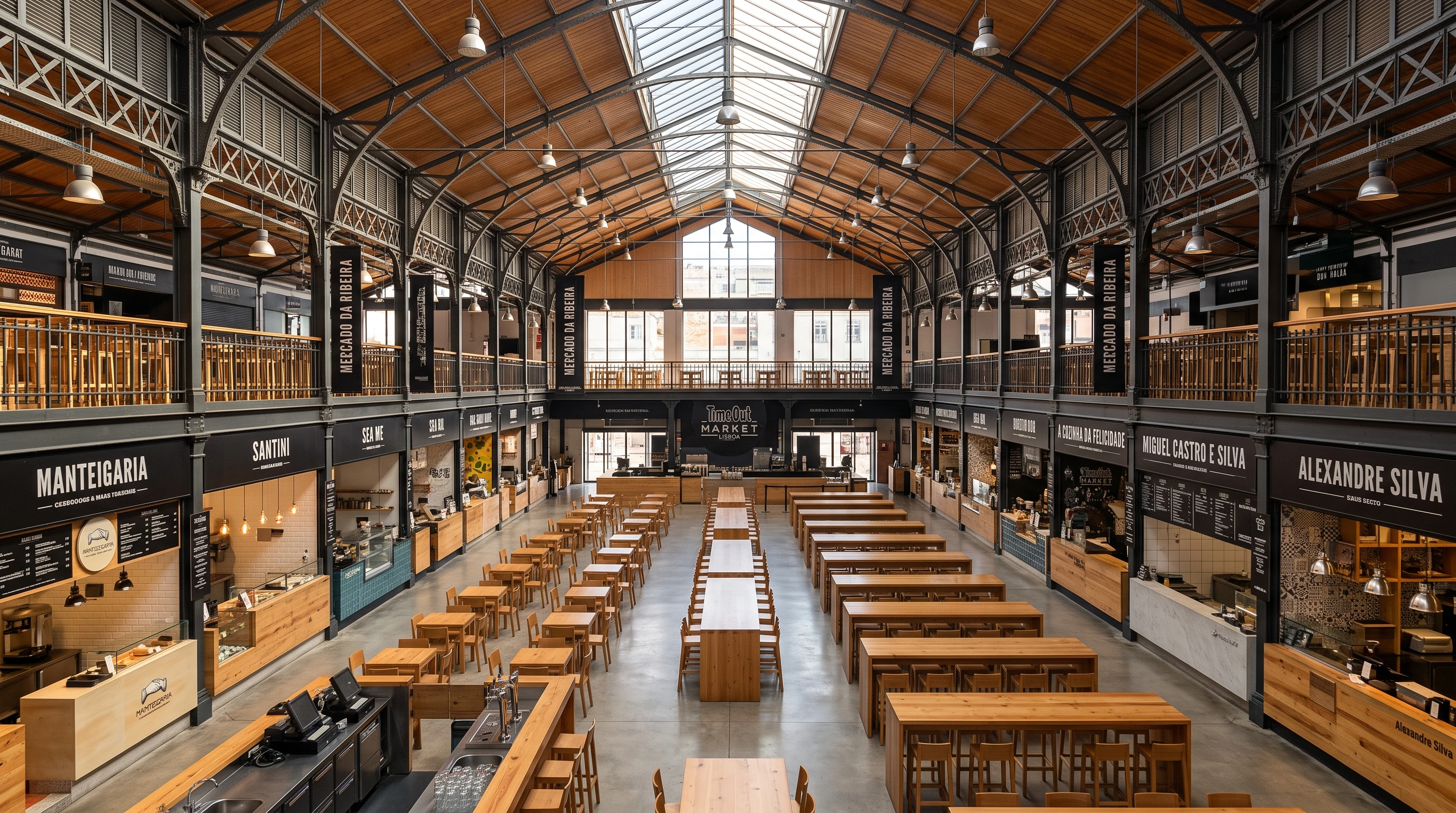
Time Out Market Lisbon brings Portuguese dishes, seafood, sandwiches, desserts and drinks together inside the historic Mercado da Ribeira building in Cais do Sodré. For a first visit, the biggest challenge is usually deciding what to order when so many different counters are competing for attention.
The easiest approach is to focus on a few Portuguese classics rather than trying to find one “best” stall. Petiscos, bacalhau, seafood, bifanas, regional cheeses and pastel de nata provide a good introduction to Lisbon’s food culture, while sharing a few dishes makes it easier to try more than one thing.
Quick Answer
First-time visitors should look for Portuguese classics such as petiscos (small plates), bacalhau, seafood, bifana sandwiches, regional cheeses and cured meats, and pastel de nata. Add a Portuguese wine or another local drink if you like. Because vendors and menus can change, it is better to choose by dish rather than build your visit around a specific stall.
What Is Time Out Market Lisbon?
Time Out Market occupies part of the historic Mercado da Ribeira building in Cais do Sodré. The building also contains a more traditional market area, so Mercado da Ribeira and Time Out Market are not two separate destinations.
The Time Out Market section works as a modern food hall, with food counters and bars arranged around communal seating. It is particularly easy for first-time visitors because many choices are gathered in one place and menus are generally straightforward to browse.
What to Eat at Time Out Market Lisbon
Petiscos
Petiscos are Portuguese small plates or snacks, sometimes compared with Spanish tapas. Examples include picapau (marinated beef with pickles), octopus salad, tempura green beans, and flamegrilled chouriço sausage. Petiscos are useful for visitors who want to sample several Portuguese flavors rather than order one large dish. Check out more: Portuguese Petiscos Explained.
Bacalhau
Bacalhau is dried and salted codfish, one of the most iconic ingredients in Portuguese cuisine. Look for bacalhau dishes such as bacalhau à Brás, pastéis de bacalhau (cod cakes), or other salt-cod preparations when they appear on current menus. Each preparation has a distinct flavor and texture, making salt cod a valuable intro to traditional Portuguese food. Sometimes vendors get creative, so walk around for a mix of classic and modern takes.
Portuguese Seafood
Lisbon’s food culture is closely connected to the sea, so seafood is worth looking for when browsing the current menus. Portuguese classics can include sardines, octopus, prawns, clams and other fish or shellfish dishes. Availability varies between vendors and may change with menus and seasons.
Bifana and Portuguese Sandwiches
A bifana is a simple Portuguese pork sandwich, typically made with thin slices of seasoned pork served inside a bread roll. It is a good option for visitors who want something casual rather than a full plate. Other Portuguese sandwiches worth knowing include the prego, usually made with seasoned beef or steak in bread.
Portuguese Cheese and Cured Meats
Portugal has a wide range of regional cheeses and cured meats. Depending on current menus, you may find queijo da Serra, Azeitão cheese, chouriço or presunto. A cheese or cured-meat plate can also work well for sharing alongside bread, olives and a Portuguese wine. See more: Portuguese Snacks to Try. You can also mix in nuts, olives, and artisan breads for a snack board that brings together the classics.
Pastel de Nata and Portuguese Desserts
Pastel de nata is the obvious Portuguese dessert to look for, combining crisp, flaky pastry with a rich custard filling. Other Portuguese sweets worth watching for include arroz doce, salame de chocolate and regional almond-based desserts.
Read more: Portuguese Desserts & Sweets: Traditional Treats You Must Try. If you’re up for it, try pairing desserts with a small glass of port or a smooth coffee for a true Portuguese finale.
Portuguese Wine and Drinks
Portuguese wine is an easy addition to a meal here, with styles from different regions often represented. Vinho Verde can work well with lighter dishes and seafood, while Portugal also produces a wide range of reds. Beer, non-alcoholic drinks and local specialties such as ginjinha may also be available depending on the current vendors and menus.
How to Choose Between the Food Stalls
Before ordering, walk around the food hall once and compare the current menus and prices. If you want to focus on Portuguese food, choose two or three different categories rather than several similar dishes — for example, one petisco, a seafood or meat dish, and a dessert.
Sharing works particularly well for couples or groups because different people can order from different counters and bring everything back to the communal table. Solo visitors may find a bifana, petisco or single main dish more practical than trying to sample too many items at once.
Is Time Out Market Lisbon Expensive?
Time Out Market is generally not the cheapest place to eat in Lisbon. Prices can be higher than at neighborhood cafés, bakeries and traditional tascas, so budget-conscious visitors should compare menus before ordering. Sharing dishes or choosing a sandwich instead of several full plates can help keep the total lower.
For cheaper alternatives and everyday dining tips, see Eating in Portugal on a Budget.
When Is the Best Time to Visit?
Lunch and dinner periods can be busy, particularly on weekends and during the main tourist season. Visiting outside the busiest meal periods can make it easier to browse menus and find communal seating. Check the market’s current opening hours before visiting, especially around public holidays or special events.
Time Out Market vs Traditional Lisbon Markets
Time Out Market focuses almost entirely on prepared cooked food and contemporary food stalls. Travelers who want to experience the everyday shopping culture of a Portuguese market should visit classic markets like Mercado de Alvalade, Mercado 31 de Janeiro, or the fresh-food section at Mercado da Ribeira (in the same building as Time Out Market). Traditional markets focus more on everyday food shopping, fresh produce, fish, meat and other ingredients, although some also include cafés or prepared-food options.
Related Guides
- Best Food Markets in Lisbon: Where First-Time Visitors Should Go — compare Time Out Market with traditional neighborhood markets across the city.
- Portuguese Petiscos Explained — discover the small plates and snacks worth looking for during your trip.
- Portuguese Desserts & Sweets: Traditional Treats You Must Try — from pastel de nata to regional Portuguese specialties.
- Eating in Portugal on a Budget — practical ways to enjoy Portuguese food without overspending.
- How to Order Food in Portugal — useful menu terms and ordering tips for cafés, markets and restaurants.
Tips for Your First Visit
- Walk around before ordering.
- Expect communal seating.
- Keep an eye on belongings in crowded periods.
- Learn a couple of Portuguese words.
- Check current opening hours.
Find more details here: How to Order Food in Portugal; Portuguese Restaurant Etiquette; Tipping in Portugal Restaurants.
Is Time Out Market Lisbon Worth Visiting?
Time Out Market is worth considering for first-time visitors who want plenty of choice in one convenient location. It is particularly useful if a group wants different foods or if you have limited time in Lisbon.
It is less suitable for travelers whose priority is finding the cheapest meals or experiencing a quieter neighborhood restaurant. There is no reason to choose one or the other: Time Out Market can be one stop in a broader Lisbon food itinerary that also includes traditional tascas, bakeries and local markets.
Explore Lisbon Food Tours
A guided Lisbon food tour can be useful if you want more context than a food hall provides. Depending on the itinerary, tours may combine Portuguese dishes with visits to traditional cafés, bakeries, markets or wine shops while explaining local food customs and regional specialties.
Compare Lisbon food tours and tasting experiences to find an itinerary that matches your interests, budget and available time.
Frequently Asked Questions
What food should I try at Time Out Market Lisbon?
Focus on petiscos (Portuguese small plates), bacalhau preparations, seafood, bifana sandwiches, cheeses and charcuterie, pastel de nata for dessert, and Portuguese wine or local drinks.
Is Time Out Market Lisbon expensive?
Time Out Market is generally more expensive than many neighborhood cafés, bakeries and traditional tascas. Checking menus before ordering and sharing dishes can help visitors control the cost.
Is Time Out Market good for first-time visitors?
Yes. The food-hall format makes it easy to compare different dishes in one place, and vendors are accustomed to serving international visitors.
What is the difference between Time Out Market and Mercado da Ribeira?
The modern Time Out Market food hall is a part of the larger Mercado da Ribeira building. The traditional market area sells fresh products, while Time Out features prepared foods from dozens of stalls.
How long should you spend at Time Out Market Lisbon?
There is no fixed amount of time needed. A quick meal may take less than an hour, while visitors who want to browse several counters, share dishes and have dessert or drinks may stay longer.
Is Time Out Market Lisbon worth visiting?
It is a good choice for travelers who want a convenient and social introduction to several Portuguese foods in one place.
Wrapping Up
For a first visit to Time Out Market Lisbon, keep the plan simple: walk around before ordering, choose a few Portuguese dishes that offer different flavors, and leave room for pastel de nata or another local dessert.
Time Out Market is convenient for sampling several foods in one place, but it should not be the only way you experience Lisbon’s food culture. Traditional markets, neighborhood tascas and bakeries offer a different side of the city and are well worth adding to your itinerary.